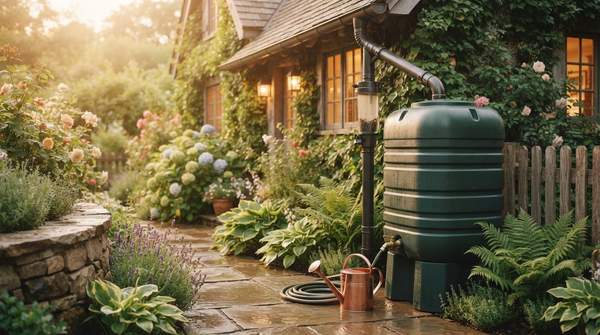
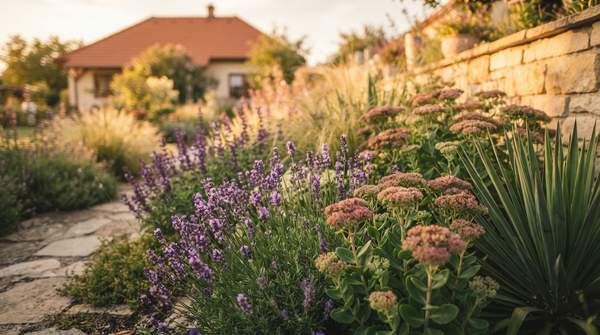
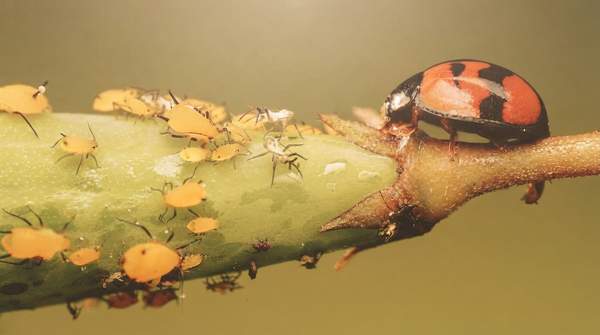
Once established, native grass lawns typically only need to be mowed once or twice a year, according to ABC News & Headlines. This starkly contrasts with weekly traditional turf maintenance, freeing homeowners from significant seasonal labor. These native plant alternatives offer both aesthetic appeal and enhanced ecological benefits, redefining how yards are perceived and managed.
However, homeowners often invest significant time and resources into maintaining pristine, traditional lawns. These conventional landscapes actively deplete local ecosystems and demand constant, unsustainable effort, contributing to water waste and chemical runoff.
Embracing native plant landscaping offers a superior, sustainable alternative. It delivers both aesthetic appeal and ecological benefits with remarkably less personal investment, challenging the long-standing paradigm of intensive yard care. This approach provides low-maintenance native plants for curb appeal while restoring local biodiversity.
Native grasses, for instance, offer more than just reduced water and mowing needs. They boast high habitat value and resilience in Australian landscapes, according to ABC News & Headlines. This means homeowners currently trade countless hours of weekend labor for ecologically barren landscapes. A simple shift to native options could reclaim their leisure and restore local biodiversity, moving beyond mere aesthetics to true ecological contribution.
Top Low-Maintenance Native Plants for Your Yard
These diverse native species prove that beautiful, low-maintenance landscaping can also be a powerful tool for restoring local biodiversity, providing excellent curb appeal.
1. Native Oak Trees
Best for: Homeowners seeking significant long-term ecological impact
Native Oak Trees support over 500 species of caterpillars, making them foundational to local food webs. Their presence dramatically enhances biodiversity, fostering a thriving environment for birds and other wildlife.
Strengths: Unparalleled ecological impact, long-lived, shade provision | Limitations: Slow growth initially, requires space | Price: Moderate for saplings
2. Blue Wild Indigo (Baptisia australis)
Best for: Gardeners focused on pollinator support
Blue Wild Indigo is the host plant to at least 15 butterfly and moth caterpillar species, according to choosenatives. This vibrant perennial adds striking blue flowers to a garden while providing essential support for local insect populations.
Strengths: Attracts pollinators, low maintenance, distinctive flowers | Limitations: Can be slow to establish | Price: Low to moderate
3. Native Grass Lawns
Best for: Homeowners seeking minimal lawn care
Native grass lawns drastically reduce maintenance. Their infrequent mowing needs, often just once or twice a year after establishment, according to ABC News & Headlines, free up significant weekend time. They also demand less water than traditional turf, contributing to vital conservation efforts.
Strengths: Extremely low mowing, reduced water needs, resilient | Limitations: May not offer traditional manicured look | Price: Moderate for seed mixes, higher for sod
4. Weeping grass (Microlaena stipoides)
Best for: Shaded areas and turf replacement
Weeping grass is a suggested turf replacement that thrives in shade and grows 10-15 cm tall, according to ABC News & Headlines. Its adaptability to lower light conditions makes it suitable for challenging garden spots.
Strengths: Shade tolerant, low growing, turf alternative | Limitations: Limited availability in some regions | Price: Low to moderate for seeds
5. Wallaby grass (Austrodanthonia)
Best for: Harsh climates and drought-prone regions
Wallaby grass is a hardy lawn alternative suitable for harsh climates, according to ABC News & Headlines. Its resilience ensures a green landscape even in challenging environmental conditions where traditional lawns struggle.
Strengths: Drought tolerant, hardy, adaptable to poor soils | Limitations: Slower establishment than some alternatives | Price: Low for seeds
6. Dense Blazing Star (Liatris spicata)
Best for: Adding vertical interest and attracting pollinators
Dense Blazing Star hosts four caterpillar species, according to choosenatives. Its tall, spiky purple flowers provide a striking visual element while supporting local wildlife.
Strengths: Attracts butterflies, vertical accent, deer resistant | Limitations: Can be short-lived in poorly drained soils | Price: Low to moderate
Beyond Mowing: The Hidden Benefits of Native Landscapes
Native plants inherently reduce the need for costly and environmentally harmful interventions, creating self-sustaining ecosystems right in your backyard. This table starkly contrasts native and traditional landscaping approaches, revealing the clear advantages of ecological design.
| Feature | Native Plant Landscaping | Traditional Lawn Care |
|---|---|---|
| Maintenance Frequency | Minimal once established (e.g. native grass lawns mowed 1-2 times/year) | Frequent (e.g. weekly mowing for turf) |
| Water Requirements | Low; drought-tolerant after establishment | High; often requires supplemental irrigation |
| Pest & Disease Resistance | High; handles local pests without chemicals (Longislandnatives) | Low; often requires pesticides and fungicides |
| Fertilizer Needs | Minimal to none; adapted to local soils | High; requires regular chemical fertilization |
| Ecological Impact | High; supports local biodiversity, provides habitat | Low; often creates ecological barrenness |
| Chemical Dependence | Low to none; self-sustaining | High; reliant on herbicides, pesticides, fertilizers |
Getting Started: Essential Steps for Native Plant Success
Proper initial planning and preparation are key to ensuring a robust and self-sufficient native landscape that will thrive with minimal future intervention. Homeowners should begin by understanding their local soil conditions.
Soil tests for native plants should show calcium to aluminum ratios above 1 and a pH between 5.0 and 5.5, according to accdpa. These parameters help ensure the chosen native species will flourish. Additionally, selecting appropriate cover crops can aid in preparing the soil for native seed mixes.
Spring oats are recommended cover crops for native seed mixes planted before August 15th, according to accdpa. For plantings after August 15th, winter rye is a suggested cover crop, according to accdpa. These steps help suppress weeds and improve soil health before native plants are established.
Common Questions About Native Plant Adoption
Can a small residential yard contribute to local biodiversity?
Yes, even small residential plots can become significant biodiversity hotspots. The Ieras, for instance, converted their .2-acre property into a wildlife sanctuary, according to choosenatives. This transformation, supported by plants like Blue Wild Indigo hosting 15+ caterpillar species, proves that individual homeowners possess an untapped power to create meaningful ecological havens.
By 2026, if the trend towards native, low-maintenance landscapes continues, demand for weekly mowing services and chemical applications will likely decrease. This shift, exemplified by properties like the Ieras' .2-acre sanctuary, could significantly reshape the traditional lawn care industry.