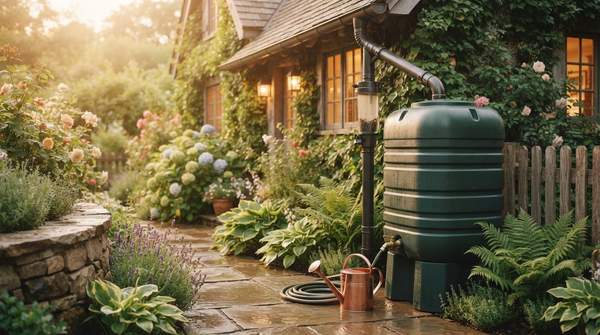
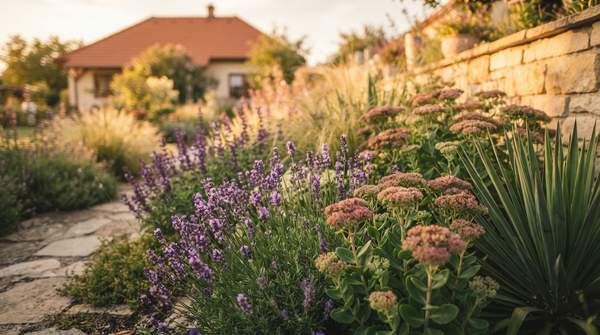
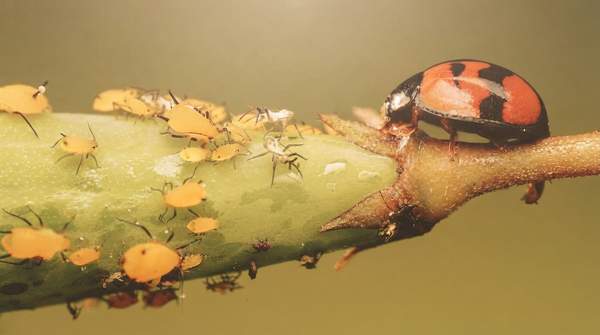
It takes over 6,000 caterpillars to raise one brood of chickadees, a critical food source that traditional suburban lawns, often treated with 10 times more pesticides per acre than farmland, simply cannot provide. Homeowners strive for beautiful, healthy yards, but conventional landscaping depletes local ecosystems and demands intensive chemical use, creating biodiversity deserts in residential areas, according to Audubon. In contrast, native alternatives offer significant beauty with profound ecological benefits, making a widespread shift towards sustainable home landscaping likely to enhance local biodiversity and environmental resilience.
This disconnect between perceived yard health and actual environmental impact is stark. A single brood of chickadees needs over 6,000 caterpillars, a number pesticide-laden, non-native landscapes cannot sustain. For example, native oak trees support over 500 caterpillar species, while ginkgos host only 5. Companies selling traditional lawn care products profit from this ecological devastation, as their chemical dependency poisons the food chain and eliminates insects crucial for birds. Replacing even a fraction of turf with native species can reverse this trend, turning residential spaces into vital wildlife sanctuaries.
The Core Principles of Sustainable Landscaping
Sustainable landscaping prioritizes ecological health and resource efficiency, starting with native plants. These species require no fertilizers and fewer pesticides than traditional lawns, reducing chemical input into residential areas, according to the U.S. Forest Service. They also demand less water and their robust root systems prevent soil erosion. For instance, deep roots of many native Midwestern plants significantly increase soil water storage, reducing runoff and flooding. This inherent resilience creates low-maintenance, resource-efficient landscapes that actively improve soil health and water management, transforming yards into functional ecosystems.
Beyond the Backyard: Broader Ecological Impact
Adopting native plants extends beyond individual yards, addressing major environmental challenges like biodiversity loss, air pollution, carbon cycle instability, soil degradation, and water insecurity, according to Sentier Therapy. These localized efforts create substantial collective impact. The principles of native plant landscaping are proven strategies for large-scale ecological restoration, as seen with Chicago Navy Pier, the first project to earn Gold certification under the SITES v2 rating system. Washington Canal Park also achieved SITES Gold and LEED Gold certifications, confirming professional recognition of these environmentally sound practices. Sustainable landscaping is a robust, localized defense against climate change, with deep root systems increasing soil water storage to reduce flooding and drought.
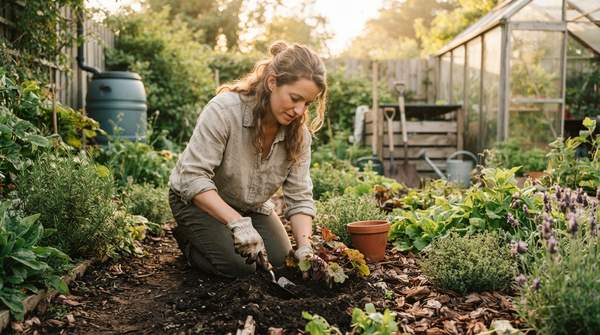
Rethinking the Traditional Lawn Aesthetic
The cultural preference for expansive, manicured lawns often overshadows their ecological drawbacks. Many homeowners equate a uniform green carpet with property value, a perception deeply ingrained in suburban development that demands constant mowing, herbicides, and pesticides. This traditional approach creates a visually appealing but biologically sterile environment, paradoxically depleting local ecosystems and offering no food or habitat for native wildlife.
Shifting this perspective means recognizing the inherent beauty and ecological richness of native plant communities. A diverse landscape, teeming with local flora and fauna, offers a different aesthetic value. It moves beyond monoculture to embrace a vibrant, dynamic ecosystem that provides beauty with ecological benefit, requiring significantly less chemical intervention and resource consumption. This re-evaluation of a desirable yard is a critical step for wider sustainable adoption.
Empowering Homeowners for a Greener Future
Homeowners drive widespread environmental change through landscaping choices. Their awareness of sustainable practices directly influences adoption, according to MDPI. A widespread lack of this knowledge means a massive, accessible solution to climate change and biodiversity loss—native plant adoption—remains largely untapped. A widespread lack of this knowledge is a critical failure in environmental education. Yet, successful large-scale projects prove the potential: Xuhui Runway Park in China was the first project in Mainland China to earn SITES Gold certification, and the HP Inc. Boise, Idaho Campus was the first corporate campus globally to certify using SITES v2. These examples, combined with increased homeowner education, show individual action can drive significant collective environmental change, directly contributing to healthier ecosystems.
What are the benefits of sustainable landscaping?
Sustainable landscaping offers numerous advantages, including reduced water usage, decreased reliance on chemical fertilizers and pesticides, and improved soil health. Native plants, a core component, require less maintenance and create vital habitats for local wildlife. This approach fosters a healthier environment while lowering long-term yard care costs.
How can landscaping improve home resilience?
Landscaping with native plants significantly improves home resilience, particularly against climate change impacts. The deep root systems of many native species enhance soil water storage, which helps mitigate flooding during heavy rains and conserves moisture during droughts. This natural infrastructure protects properties and local water systems more effectively than traditional turf.
What are key elements of eco-friendly landscaping?
Key elements of eco-friendly landscaping include selecting native plants suitable for the local climate, reducing or eliminating turfgrass areas, and implementing efficient irrigation systems. It also involves composting, mulching to conserve moisture, and avoiding synthetic pesticides or fertilizers. Prioritizing biodiversity and creating wildlife habitats are central to this sustainable approach.
By 2026, increased public awareness and accessible educational resources will likely drive a significant uptick in native plant adoption across residential areas. Organizations like the National Audubon Society continue to champion these efforts, providing homeowners with the knowledge and resources to make impactful changes. This collective action will transform suburban "ecological deserts" into thriving, resilient green spaces.