A single acre of traditional lawn requires up to 30,000 gallons of water annually in arid regions, a stark contrast to the nearly self-sustaining native landscapes now gaining traction. The demand of up to 30,000 gallons of water annually for a single acre of traditional lawn in arid regions underscores the resource-intensive nature of turfgrass.
The American dream once featured a sprawling, emerald-green lawn. Today, homeowners increasingly choose wilder, less uniform landscapes that demand fewer resources. In the 1960s, the average American spent 4 hours weekly on lawn care, aiming for Kentucky bluegrass monocultures, according to the American Lawn & Garden Institute, 1965 Survey. This shift from uniformity to ecological diversity marks a re-evaluation of our relationship with nature.
As climate concerns and water scarcity intensify, the traditional lawn aesthetic will likely recede. It will make way for more ecologically integrated residential landscapes, pushing for native gardens and no-mow lawns by 2027.
The Great Lawn Divide: From Manicured Monoculture to Wilder Wonders
In 1962, Levittown covenants mandated uniform turfgrass lawns, prioritizing aesthetic consistency. The post-WWII boom fueled chemical use, with DDT marketed for 'perfect' lawns in guides like the Ortho Garden Guide, 1968. This era valued pristine uniformity over ecology.
Today, the shift is stark. No-mow seed mixes, featuring fescues and clover, reduce mowing by 75% compared to traditional turf, reports Prairie Nursery, 2023. Native gardens support 15 times more insect biodiversity than non-native ornamentals, as Doug Tallamy highlights in 'Bringing Nature Home'. This embrace of native and no-mow landscapes actively rejects the resource-heavy, ecologically barren ideals of mid-century suburban perfection.
The Numbers Don't Lie: The Environmental Cost of Turf
- 40 million acres — Lawns cover an estimated 40 million acres in the U.S. making them the largest irrigated crop, according to NASA Satellite Data (2005).
- 9 billion gallons — Residential irrigation accounts for nearly 9 billion gallons of water per day nationwide, with lawns as the primary consumer, reports USGS Water Use Data (2015).
- Significant emissions — Gas-powered lawn mowers emit volatile organic compounds and nitrogen oxides, contributing to air pollution, as detailed in the EPA, Small Engine Emissions Report.
- 30% increase — Converting just 10% of a traditional lawn to native plants can increase local pollinator populations by 30%, according to the Xerces Society for Invertebrate Conservation.
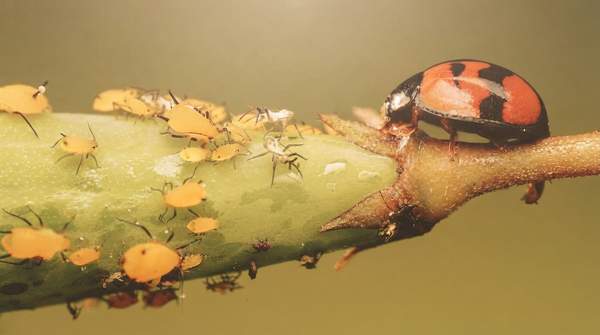
These figures reveal the unsustainable burden traditional turfgrass imposes on water, air quality, and biodiversity. The sheer scale of American lawns demands a shift to native alternatives as an ecological imperative, impacting everything from local ecosystems to regional water supplies.
Beyond Aesthetics: Why Homeowners Are Changing Their Yards
Homeowners are shifting away from traditional lawns for practical reasons. A 2022 survey found 68% cited 'reduced maintenance' as a primary draw for native landscaping, according to the National Association of Landscape Professionals Survey. Yet, this 'low-maintenance' appeal often overlooks the significant effort required to establish native plants. Rising water utility costs, especially in drought-prone regions, also make water-wise landscaping a financial necessity, as reported by the California Water Resources Board, 2023. Beyond economics, growing awareness of pollinator decline spurs many to plant native species, a trend supported by Pollinator Partnership. Local ordinances in over 150 municipalities now encourage or mandate native plant use or offer rebates for lawn removal, according to Smart Growth America. This multifaceted response combines economic pressure, environmental consciousness, and a desire for more manageable, ecologically rich outdoor spaces.
The Future of the American Yard: A Patchwork of Possibilities
Sales of native plant seeds and plugs have increased by 200% over the last five years, outpacing traditional turf seed sales, according to the American Seed Trade Association (2023). A 200% surge in sales of native plant seeds and plugs over the last five years signals a broader transformation.
- 'Lawn to Garden' programs offer resources and incentives for turf conversion, as noted in the Local Government Green Initiatives Report.
- Landscape architects integrate 'rewilding' principles, moving beyond ornamental designs, according to the American Society of Landscape Architects Trends Report.
- 'Ecological corridors' are emerging, connecting individual native gardens into larger habitats, enhancing regional biodiversity, supported by The Wild Ones.
The American yard is evolving into a diverse, interconnected tapestry of native habitats, reflecting a collective shift towards ecological stewardship. Homeowners associations clinging to strict lawn rules risk alienating eco-conscious buyers who prioritize sustainability over manicured uniformity.
Your Yard, Reimagined: Practical Steps for a Greener Home
- Starting small, like converting a 10x10 foot lawn section, reduces water use and attracts pollinators without overwhelming homeowners, according to the National Wildlife Federation.
- Native plants are often drought-tolerant and require minimal fertilization once established, leading to long-term cost savings, as explained by University Extension Services.
- Replacing turf with native groundcovers or wildflowers reduces the need for noisy, polluting lawnmowers, a benefit highlighted by Consumer Reports, Eco-Friendly Yard Care.
Embracing native and no-mow landscaping offers homeowners an accessible way to boost environmental health, cut maintenance, and create a vibrant personal ecosystem. By 2026, the traditional landscaping industry, reliant on chemicals and high-input turf, faces an existential threat if it fails to pivot towards native plant cultivation, ecological design, and water-wise solutions, impacting America's $188.8 billion lawn market.