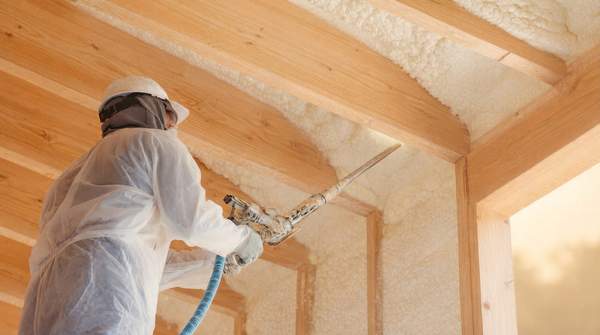
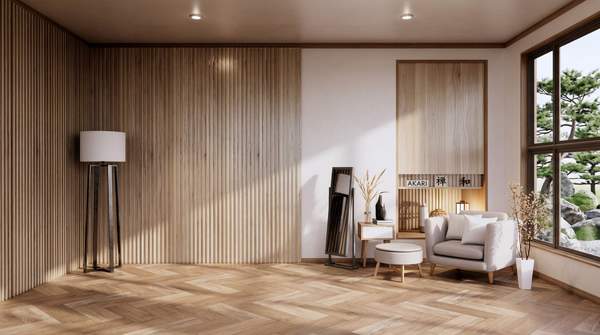
In 2025, 68% of homeowners declared they are willing to pay more for sustainable materials, signaling a seismic shift in the remodeling industry's priorities. The willingness of 68% of homeowners to pay more for sustainable materials reflects a growing consumer interest in home improvements that align with environmental values and offer long-term benefits. However, homeowner demand for sustainable remodeling is rapidly becoming the new standard, but a significant portion of the contracting industry is unprepared to meet this shift. Based on current trends, sustainability will become a baseline expectation, and contractors who fail to adapt will face significant competitive disadvantage.
The New Standard: What Homeowners Really Want
Energy efficiency is the top priority for 75% of homeowners seeking sustainable upgrades, states the Green Building Council Report. The focus on tangible savings, with energy efficiency being the top priority for 75% of homeowners, shows a more informed consumer base. Water conservation features, like low-flow fixtures, also gain traction, with 45% of homeowners citing them as important, according to an Environmental Agency Poll. Homeowners want specific, measurable benefits, not vague 'green' concepts. This means contractors must move beyond general eco-friendliness and offer concrete, resource-saving solutions.
The Numbers Don't Lie: A Booming Market
- 40% — Demand for contractors specializing in sustainable practices has increased in the last two years, according to Industry Trade Association Data.
- $150 billion — The market for sustainable remodeling is projected to reach by 2028, states a Market Research Report.
- 7-10% — The average ROI for energy-efficient home improvements annually, as reported by a Real Estate Analytics Firm.
These figures prove sustainable remodeling is a growing economic sector. The rising demand and clear financial benefits for homeowners, including a 7-10% average annual ROI, mean this market offers substantial, long-term opportunities for contractors who specialize.
Driving Forces: Why Priorities Are Changing
Homeowners under 40 are twice as likely to prioritize eco-friendly features than those over 60, per a Demographic Study from 2024. The generational shift, where homeowners under 40 are twice as likely to prioritize eco-friendly features than those over 60, drives demand. Government incentives for green home improvements are expected to expand by 15% by 2026, according to a Policy Outlook Report, further motivating homeowners. Material costs for certified sustainable products have also decreased by 10% on average in the last five years, per a Supply Chain Analysis, making these options more accessible. The combined effect of younger homeowner values, government support, and lower costs means sustainable remodeling is no longer a niche choice but a mainstream imperative.