For most home gardeners, the right natural pest control is not one product but a sequence: healthy garden practices first, physical removal and water sprays next, and targeted natural pesticides only when an infestation persists. University extension guidance is clear that even "natural" products carry trade-offs in effectiveness, cost, and safety for pollinators and plants. This guide organizes the decision around the pest you actually see, comparing the leading natural options on how they work, how to apply them, and what they might harm.
Embracing Natural Pest Control in Your Garden
The starting point, echoed across extension guidance, is restraint. Oregon State University Extension advises that chemical controls should be a last resort and that biological controls such as beneficial nematodes or Bacillus thuringiensis (Bt) come into play only "if infestations continue." Before that point, a strong stream of water, hand-picking, and tolerating minor damage on well-established plants are legitimate strategies, not signs of neglect.
This approach works because a thriving garden is less vulnerable to insect outbreaks in the first place. OSU Extension's recommendations for reducing pest pressure center on cultural basics: watering properly, spacing plants for airflow, pruning to prevent overcrowding, and avoiding overfertilizing, since excess nitrogen produces the tender new growth that insects favor. Natural products then become precision tools rather than routine maintenance.
The Upsides and Downsides of Natural Pesticides
Natural pesticides earn their place through speed and comparatively gentle environmental profiles. The University of Florida's Gardening Solutions program notes that some kill insects on contact while others stop feeding upon ingestion, and that most products have low to moderate toxicity to mammals. IFAS extension authors also point out that biopesticides can serve as rotation options that delay resistance caused by repeated use of the same chemical controls.
The downsides are just as concrete. Phytotoxicity, meaning plant damage, is a real risk, and labels must be read carefully, especially when plants are already stressed. Natural products can cost more, be harder to find, and vary in potency by source. And not every product sold online is legally registered for sale in a given state, so availability and regulations depend on where you live. As OSU Extension puts it bluntly: even "natural" pesticides can harm pollinators, pets or humans, so the label is not optional reading.
Proactive Garden Health: Preventative and Cultural Strategies
The cheapest pest control is the pest pressure you never create. The practices below, drawn from extension guidance, form the foundation before any spray is mixed:
- Water properly. Neither under- nor overwatering, per OSU Extension's cultural recommendations.
- Space and prune for airflow. Crowded, overgrown plants create the humid, sheltered conditions pests exploit.
- Avoid overfertilizing. Tender new growth is what insects love most.
- Handpick small infestations. Regular inspection and removal of caterpillars, beetles, and snails can prevent widespread damage, as the Planet Bee Foundation's resources describe.
- Tolerate minor damage. On well-established plants, some feeding damage is acceptable, and using row covers early in the season can exclude pests before they arrive.
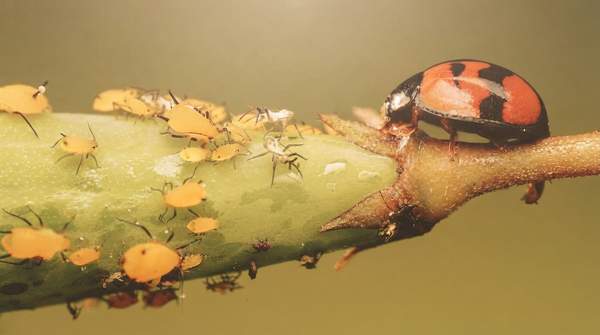
Encouraging beneficial insects rounds out prevention. Natural predators of aphids and other pests do much of the work when sprays are withheld, which is one reason extension programs urge starting with the least disruptive methods.
Natural Pest Control Solutions for Your Garden
The table below compares the natural methods most consistently supported by extension guidance, organized by the pest you are likely confronting. It focuses on aphids and caterpillars, where the evidence is strongest across mechanism, application, and safety, with additional options for insects with exoskeletons such as slugs and ants.
| Pest | Control Method | How It Works | Application Notes | Safety (Pets, Pollinators, Plants) |
|---|---|---|---|---|
| Aphids and other soft-bodied insects (mites, mealybugs) | Water spray; hand-picking; natural predators; insecticidal soap or horticultural oil | Soaps and oils coat the insect's body, blocking breathing openings and suffocating it; neem oil also repels certain insects and mites | Blast aphids off with a strong stream of water; for soap or oil sprays, cover plants from above down and from below up to reach leaf undersides; apply early morning or just before dark; re-apply after rain | Generally lower mammalian toxicity than synthetics, but direct spray can harm pollinators; phytotoxicity possible, especially on stressed plants; read the label for plant sensitivities |
| Caterpillars | Bacillus thuringiensis (Bt) | Bacterium-derived toxin harms certain insect larvae when ingested | Apply when caterpillars are actively feeding; Bt breaks down rapidly in sunlight, so repeat applications may be needed | Generally safe for humans, pets, and beneficial insects |
| Caterpillars, leaf miners, thrips, beetles, spider mites | Spinosad | Derived from soil bacteria; attacks the insect's nervous system on contact and ingestion | Mix with water and spray affected foliage per label instructions, with thorough coverage | Low to moderate toxicity to beneficials and nearly no toxicity to mammals and wildlife, but it can kill bees when wet; apply only in early morning, late evening, or at night when bees are not out |
| Slugs, ants, and other exoskeleton-bearing insects | Diatomaceous earth | Dehydrates and kills insects on contact through physical action | Sprinkle around plant bases or on affected areas | Described by Planet Bee Foundation resources as not posing harm to humans or pets |
Homemade sprays offer a budget alternative for soft-bodied insects: one gardening resource describes mixing a tablespoon of canola oil and a few drops of Ivory soap in a quart of water, shaken well and sprayed onto both leaf surfaces. The same source cautions that results with homemade remedies vary, so treat them as one option rather than a guarantee.
Safe Application: Best Practices for Natural Pest Control
Timing is the single most consequential application decision. Sprays should go on early in the morning or just before dark, both to avoid peak pollinator activity and to reduce plant stress. Spinosad deserves special care: because it can kill bees while wet, the University of Florida guidance restricts application to early morning, late evening, or night when bees are not flying.
Coverage matters as much as timing. Suffocating oils and soaps work only on direct contact, so leaf undersides, where aphids and mites congregate, must be reached. Re-apply after rain, and expect repeat applications of Bt since sunlight breaks it down quickly. Wear protective clothing when spraying any insecticide, natural included, and confirm before purchase that the product is registered for sale in your state.
Finally, check the label against your specific plants. The University of Connecticut's horticultural oil guidance notes that less refined oils cause more phytotoxicity than highly refined horticultural oils, and stressed plants are most vulnerable. The evidence here does not provide an exhaustive list of sensitive species, so the label, not general advice, is the authority on your particular plants.
Cultivating a Resilient, Pest-Resistant Garden
Gardeners should prioritize preventative and cultural controls, then select natural pest control methods based on the specific pest, method effectiveness, and careful consideration of safety for non-target organisms and plants. In practice, that means water sprays and handpicking before soap, Bt before spinosad, and spinosad only at dusk or dawn when bees are sheltering. The measurable indicator of success is reduced pest damage and a thriving garden ecosystem with minimal reliance on chemical interventions. Watch for that indicator over the season: if damage stays minor and beneficial insects remain visible, your sequence is working; if infestations continue despite cultural controls, that is the evidence-based trigger to move to the next, more targeted rung on the ladder.
Sources
- Don’t panic: Manage garden pests with smart, safe strategies — OSU Extension Service
- Natural Pest and Disease Management – Gardening Solutions — Gardeningsolutions
- Natural Pest Control | Resources — Planet Bee 2027
- Natural Garden Pest Control: Safe, Non-Toxic Methods & Solutions — Eartheasy
- ENY-350/IN197: Natural Products for Managing Landscape and Garden Pests in Florida — Ask IFAS - Powered by EDIS
- Horticultural Oils | Home Garden Education Office | College of Agriculture, Health and Natural Resources — Homegarden