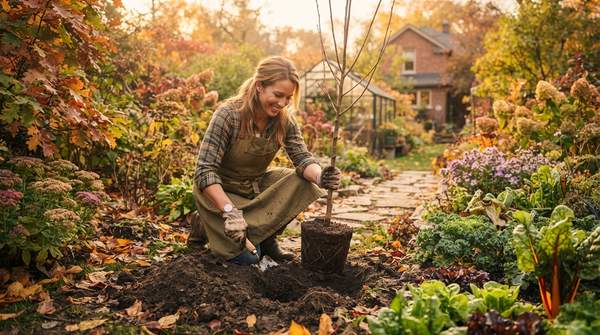
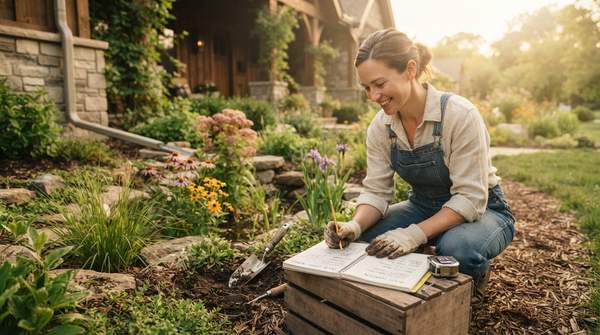
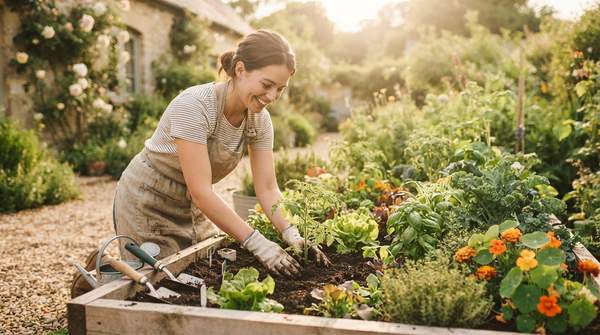
Traditional lawn square footage declined 25% year over year, signaling a dramatic shift in how homeowners view their outdoor spaces, according to Forbes. This reduction represents a significant cultural re-evaluation, moving away from a long-standing American ideal of expansive, manicured green areas. Homeowners are actively repurposing these traditional spaces into more functional and ecologically integrated zones. The shift towards emerging backyard design trends for 2026 emphasizes creating functional outdoor spaces that serve deeper personal and environmental needs. This development moves beyond mere aesthetics.
Homeowners once prioritized expansive, manicured lawns, but now they are actively reducing turf to create more purposeful, private, and ecologically beneficial outdoor zones. This tension highlights a growing demand for outdoor areas that offer more than just aesthetic appeal, reflecting a deeper connection to personal well-being and environmental stewardship.
Residential outdoor spaces are likely to continue evolving into highly personalized, multi-functional ecosystems that prioritize environmental integration and personal utility over purely aesthetic display. This transformation signals a lasting change in how Americans interact with their property.
Requests for native planting, pollinator gardens, and climate-adapted species increased 23% year over year, according to Forbes. The 23% increase in requests for native planting, pollinator gardens, and climate-adapted species indicates a fundamental re-evaluation of what a backyard should be, moving beyond mere aesthetics to serve deeper personal and ecological needs. The surge in native planting and climate-adapted species signals that homeowners are increasingly viewing their backyards as critical micro-ecosystems, demanding sustainable solutions that contribute to local biodiversity rather than merely consuming resources. This change also suggests a desire for outdoor areas that require less maintenance while still providing vibrant, living environments and supporting local wildlife populations.
Designing for Life: Multi-Activity Zones Take Center Stage
Standalone dining pergolas are increasingly used to shelter fire pits or create secondary sitting areas in backyards, as noted by Country Living Magazine. These versatile structures enable homeowners to carve out distinct, comfortable, and aesthetically cohesive areas within their backyards. This maximizes utility and enjoyment, allowing for diverse activities like outdoor dining, relaxation, or intimate gatherings within a single outdoor space. The trend moves away from open, undifferentiated lawns towards highly organized 'outdoor rooms' that extend the home's living area.
These innovations allow homeowners to carve out distinct, comfortable, and aesthetically cohesive areas within their backyards, maximizing utility and enjoyment. The shift prioritizes functionality, allowing a single backyard to host a variety of activities without sacrificing visual coherence. This approach supports a lifestyle where outdoor spaces are as thoughtfully designed and purpose-driven as interior rooms, integrating elements like seating, cooking, and quiet contemplation zones.
The Data Behind the New Outdoor Aesthetic
Privacy-focused design elements increased by 10% year over year, following a 22% jump the prior year, according to Forbes. The consistent growth in privacy-focused design elements, increasing by 10% year over year and following a 22% jump the prior year, underscores a homeowner desire for seclusion within their outdoor environments, reflecting a broader trend towards creating private sanctuaries.
- 25% — Traditional lawn square footage declined year over year, according to Forbes.
- 23% — Requests for native planting, pollinator gardens, and climate-adapted species increased year over year, according to Forbes.
- 10% — Privacy-focused design elements increased year over year, according to Forbes.
- 22% — Privacy-focused design elements increased in the prior year, according to Forbes.
- 13% — Requests for shade and cooling features rose year over year, according to Forbes.
The data clearly indicates a strong consumer preference for secluded, climate-resilient, and thoughtfully designed outdoor environments that enhance usability and comfort. The significant decline in traditional lawns, coupled with the rise in native plantings and privacy features, shows a deliberate move towards creating personalized, sustainable outdoor spaces. A comprehensive shift in homeowner priorities, emphasizing both environmental responsibility and personal sanctuary, is highlighted by these combined statistics.
Technology and Ecology Reshape Outdoor Living
Design tools, combined with topographical data and other advanced inputs, are helping create more visually accurate pool designs that are grounded in what can actually be built, according to Forbes. These technological advancements enable homeowners to realize complex, customized outdoor visions with greater precision and feasibility. This precision allows for the integration of intricate features, from water-wise irrigation systems to sophisticated multi-zone layouts. The ability to visualize and plan these complex designs accurately reduces errors and ensures that ecological considerations, such as native plant placement for optimal growth, are met effectively.
Advanced design tools are enabling homeowners to realize complex, customized outdoor visions with greater precision and feasibility. This technological support allows for the seamless integration of sustainable elements, such as rainwater harvesting systems or permeable paving, into the overall backyard plan. The tools also facilitate the creation of detailed planting schemes that maximize biodiversity and reduce water consumption, aligning with the growing ecological consciousness among homeowners.
Illuminating the New Outdoor Experience
Landscape lighting, such as uplights aimed at trees, is one of the most popular backyard upgrades, with interest in string or bistro lights waning, reports Country Living Magazine. A move towards more sophisticated, integrated lighting solutions that enhance the architectural and natural features of a backyard is indicated by this shift. Sophisticated, integrated lighting is a key element in transforming outdoor spaces into functional, aesthetically pleasing areas, moving beyond simple decorative illumination.
Homeowners are seeking to create ambiance and extend the usability of their outdoor rooms long after sunset, treating lighting as an integral part of the overall design rather than a mere accessory. This approach allows for highlighting specific garden features, creating pathways, and defining distinct zones, which contributes to the overall functionality and aesthetic appeal of the outdoor space. The desire for permanent, well-planned outdoor environments is further underscored by the move away from temporary lighting solutions.
The Evolving Backyard: A Look Ahead
Naturalistic landscaping and meadowscaping are experiencing a renewed interest and are expected to continue as trends, according to Country Living Magazine. This sustained interest suggests a long-term commitment to ecologically integrated and low-maintenance outdoor spaces.
The rapid decline in traditional lawns (25% YoY) isn't just about aesthetics; it's a deliberate, widespread embrace of climate-conscious landscaping, evidenced by surging demand for native plants (23% YoY) and cooling features (13% YoY).
- Traditional lawn square footage declined 25% year over year, according to Forbes.
- Requests for native planting, pollinator gardens, and climate-adapted species increased 23% year over year, according to Forbes.
- Requests for shade and cooling features rose by 13% year over year, according to Forbes.
Homeowners are increasingly viewing their backyards as critical micro-ecosystems, demanding sustainable solutions that contribute to local biodiversity rather than merely consuming resources. Based on Forbes' data showing a 25% decline in traditional lawn square footage, the era of the expansive, manicured green carpet appears to be ending, forcing landscape businesses to rapidly pivot towards ecological design or risk obsolescence. This shift is not merely a passing fad but a profound reorientation towards resilient and purposeful outdoor living.
Your Action Plan for Outdoor Transformation
Color drenching, a design method that uses a single color throughout a space, is being adopted for outdoor living spaces, according to Country Living Magazine. This technique helps unify diverse outdoor zones, creating a deliberate and impactful aesthetic, much like an interior design approach.
- Reduce traditional lawn areas by considering alternatives like native plant beds or multi-functional zones, aligning with the 25% year-over-year decline in turf.
- Integrate privacy features, which saw a 10% year-over-year increase, to create secluded outdoor rooms and extensions of your home.
- Prioritize climate-adapted species and cooling elements, responding to the 23% rise in demand for native plants and 13% increase in shade requests.
Embracing bold, cohesive color schemes can unify diverse outdoor zones, creating a deliberate and impactful aesthetic. The consistent year-over-year increase in privacy features (Forbes) alongside the adoption of indoor design techniques like color drenching (Country Living) reveals that homeowners are no longer just decorating their backyards; they are designing them as integral extensions of their homes. are intentionally constructing private, highly curated outdoor sanctuaries. This approach allows for a seamless transition between indoor and outdoor living spaces, enhancing comfort and personal expression. The trajectory of backyard design suggests a continued move toward highly personalized, ecologically integrated spaces. By Q4 2026, landscape designers specializing in drought-tolerant plants and multi-zone outdoor rooms are likely to see continued demand, building on the 23% increase in native plant requests. This shift confirms a sustained homeowner commitment to functional, sustainable outdoor living.