Gravel gardens gain popularity for water-saving landscaping

In drought-stricken Las Vegas, one homeowner cut their monthly water bill by 60% after replacing their entire front lawn with a gravel garden.

MC
Mason Clarke

June 8, 2026 · 4 min read

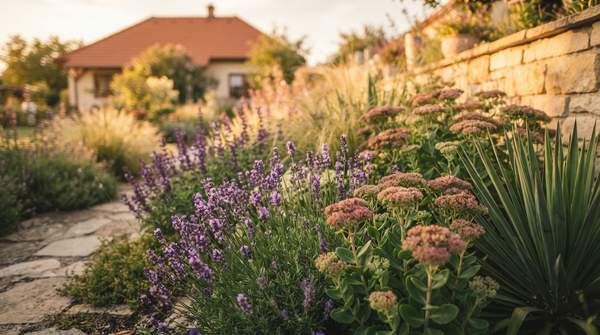
A beautifully designed gravel garden with drought-tolerant plants and decorative stones, replacing a traditional lawn in a sunny front yard.

In drought-stricken Las Vegas, one homeowner cut their monthly water bill by 60% after replacing their entire front lawn with a gravel garden. This trend rapidly spreads as communities across the contiguous U.S. face ongoing drought conditions, impacting over 40% of the land area, according to the National Drought Mitigation Center.

Traditional green lawns long symbolized suburban prosperity and curb appeal. Yet, escalating drought conditions and maintenance costs force a rapid pivot towards water-wise, low-maintenance gravel landscapes.

As climate patterns shift and water becomes a precious resource, gravel gardens will likely become a standard feature in residential landscaping, redefining the 'ideal' home aesthetic and resource management practices.

The Growing Appeal of Gravel Gardens: Beyond Just Saving Water

  • Gravel gardens can reduce outdoor water use by 50-75% compared to traditional lawns, according to the University of California Cooperative Extension.
  • Maintenance time for a gravel garden is typically 80% less than a grass lawn, eliminating regular mowing, fertilizing, and extensive weeding, according to the Landscape Design Institute.
  • Modern gravel garden designs offer diverse aesthetic possibilities, from minimalist Zen styles to vibrant Mediterranean or desert landscapes, according to Architectural Digest.
  • The initial investment in a gravel garden can be recouped within 3-5 years through reduced water bills and maintenance costs, according to HomeAdvisor.

Gravel gardens offer ecological responsibility, significant economic savings, and surprising design flexibility. They present an increasingly attractive and practical alternative to traditional lawns for homeowners seeking low-maintenance, water-saving landscaping.

The Southern Nevada Water Authority’s (SNWA) 'Cash for Grass' program has removed over 200 million square feet of turf since 1999, saving billions of gallons of water, according to the SNWA Annual Report. Such financial incentives effectively drive landscape transformation. Residential outdoor water use accounts for up to 50% of total household water consumption in many regions, according to EPA WaterSense.
Many homeowner associations (HOAs) now revise bylaws to permit or even encourage xeriscaping and drought-tolerant landscapes, a significant shift from past restrictions, according to the Community Associations Institute. This aligns with several municipalities in California and Arizona, which incorporate gravel and drought-resistant plantings into public parks and medians, according to the City of Phoenix Parks Department. Both trends signal a widespread move towards sustainable public and private spaces.

Demand for decorative gravel, permeable pavers, and drought-tolerant plants has seen a 40% surge in sales in affected regions over the last two years, according to the National Stone, Sand & Gravel Association. This market activity confirms strong consumer response to policy changes. Government incentives and evolving community standards actively accelerate the transition away from water-intensive landscaping, solidifying gravel gardens as a mainstream solution.

The Environmental Imperative: Why Water-Wise Landscaping is Crucial

Residential irrigation accounts for nearly one-third of all residential water use in the United States, totaling nearly 9 billion gallons per day, according to the USGS. This substantial consumption demands sustainable practices. Climate change models predict increased frequency and intensity of droughts in many parts of the world, making long-term water conservation critical, according to the IPCC Sixth Assessment Report.

Traditional lawns often require significant chemical fertilizers and pesticides, contributing to water runoff pollution, according to the Environmental Working Group. This environmental concern fueled the concept of xeriscaping, or 'dry landscaping,' which originated in Denver in the 1980s as a response to water scarcity, laying the groundwork for modern gravel garden principles, according to Denver Water.

The move towards gravel gardens is not merely a fleeting trend. It is a necessary and overdue adaptation to escalating environmental pressures and changing climate realities that demand sustainable resource management.

Future Landscapes: Redefining the American Yard and Property Value

The xeriscaping market is projected to grow by 15% annually over the next five years, indicating sustained demand, according to Grand View Research. The xeriscaping market's projected 15% annual growth signals broader acceptance of alternative landscaping. Homes with drought-tolerant landscaping can see a 1-5% increase in property value, particularly in water-stressed areas, according to the National Association of Realtors.

Landscape architects increasingly integrate smart irrigation systems and native plant palettes with gravel designs to create highly efficient and biodiverse yards, according to the American Society of Landscape Architects. This professional embrace aligns with a public perception shift, where 'water-wise' becomes a desirable home attribute, replacing the sole emphasis on 'lush green,' according to the Pew Research Center.

If water conservation efforts continue, xeriscaping, including gravel gardens, will likely become a key driver of property value and a defining feature of modern, sustainable homes.

Your Gravel Garden Questions Answered: Practical Tips for Transition

What are the best drought tolerant plants for gravel gardens?

Appropriate plant choices for gravel gardens include succulents, ornamental grasses, and lavender, along with various native drought-tolerant species, according to the Royal Horticultural Society. These selections thrive in arid conditions and complement the gravel aesthetic.

How do I start a gravel garden?

Effective weed prevention in gravel gardens involves laying a high-quality landscape fabric or permeable weed barrier before gravel application, according to Gardening Know How. The best types of gravel for drainage and weed suppression include decomposed granite, pea gravel, and crushed stone, according to the Sunset Magazine Gardening Guide.