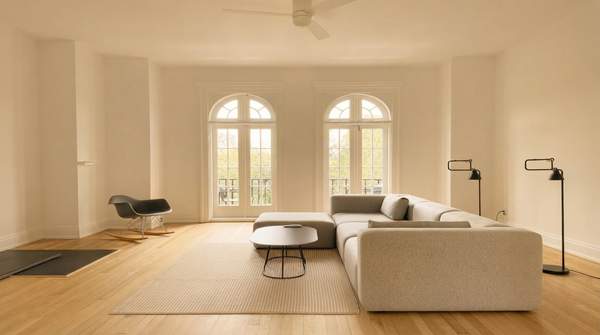
While many believe decluttering leads to a more minimalist lifestyle, research suggests it might instead open the door for more shopping, leaving its true impact on sustainable consumption largely unknown. Creating empty space in your home often feels like a positive step towards having less, but it can paradoxically prime you to acquire more. This cycle can make achieving a truly sustainable home organizing approach challenging. The year 2026 serves as a reference point for future challenges.
Decluttering is often promoted as a path to sustainable living, yet its actual impact on consumption remains unclear. It might reduce clutter, but it could also stimulate new purchases. This inherent tension poses a critical question for anyone aiming for genuine environmental impact through their home habits.
Without a conscious shift in consumption habits, decluttering risks becoming a cyclical activity. It inadvertently fuels further consumerism rather than fostering true sustainability. Recognizing this potential pitfall is crucial for making your efforts truly count.
Many individuals find that newly gained space after decluttering can stimulate additional consumption, according to Frontiersin. This directly challenges the intuitive belief that decluttering automatically fosters a minimalist lifestyle. The empty space, intended for simplicity, paradoxically becomes a psychological trigger for new purchases, undermining sustainability goals.
What is Soft Decluttering, Anyway?
Soft decluttering offers a gentle, accessible path to home organizing. It encourages small, manageable steps instead of overwhelming purges, making the process less daunting. This approach can be a relevant starting point for shifting consumption behavior toward more sustainable habits, states Frontiersin. The goal is to gently reduce clutter and create a serene living environment. It helps you evaluate each item's purpose and value without pressure, building a foundation for mindful choices. The subtle implication here is that true sustainability isn't about immediate deprivation, but a gradual re-education of our relationship with possessions.