Expressive Decor Is In, But Can Hurt Home Resale Value

Despite a growing desire for bold, personalized interiors, maximalist design can paradoxically make a home significantly harder to sell later on.

CW
Clara Whitmore

June 8, 2026 · 6 min read

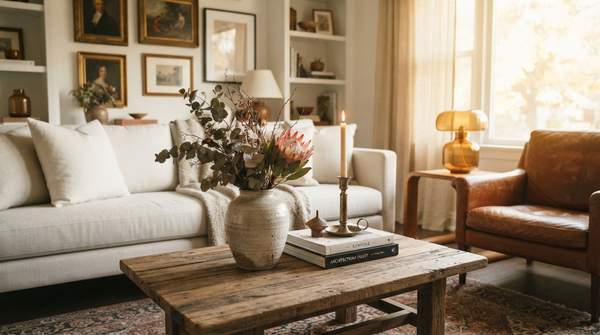
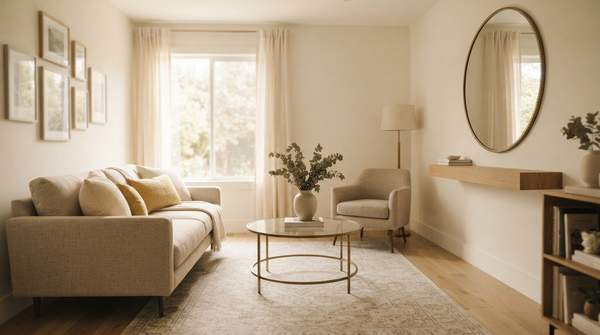
A split image contrasting a bold, maximalist living room with a neutral, minimalist living room to illustrate decor choices affecting home resale.

Despite a growing desire for bold, personalized interiors, maximalist design can paradoxically make a home significantly harder to sell later on. Homeowners pouring their unique aesthetic into every corner might find their personalized sanctuaries appealing to a smaller pool of potential buyers, creating a future challenge in the real estate market. This shift suggests a deeper conflict between immediate personal fulfillment and long-term financial liquidity, impacting individuals who invest heavily in distinctive decor.

Homeowners are increasingly favoring bold and colorful decor, but these expressive styles can make it harder to sell a home. This tension pits the joy of creating a truly individual living space against the practical need for a property to appeal to a broad market when it comes time to move. The desire for a home that reflects one's identity often competes with the strategic decision-making required for property investment, highlighting a growing divergence in priorities.

While personal expression in home decor will continue to flourish, homeowners will increasingly navigate a tension between their unique aesthetic desires and the practicalities of future market appeal. This article explores how this evolving preference for individualized design influences the resale value of properties, examining the trade-offs involved in crafting a truly personal living environment.

Home décor is shifting away from minimalist, Scandinavian aesthetics towards styles that are warmer, layered, and more personal, according to Shopify. This change indicates a cultural pivot from aspirational uniformity to authentic self-expression within private spaces. The era of stark, monochromatic interiors is giving way to vibrant palettes and rich textures. People are actively seeking out furniture and decorative elements that tell a story, moving beyond mass-produced items to embrace artisan crafts and unique finds.

This movement suggests that homes are becoming less of a showcase for generic good taste and more of a canvas for personal narratives. Homeowners are investing in pieces that evoke emotion and reflect their journeys, rather than simply following broad design trends. The emphasis now lies on creating environments that feel lived-in and deeply connected to the occupant's identity. This approach fosters a stronger emotional attachment to one's living space, transforming a house into a true home.
The embrace of textures, vibrant colors, and curated collections reflects a deeper desire for comfort and individuality that transcends fleeting trends. From richly patterned wallpapers to bespoke art pieces, every element is chosen to contribute to a unique atmosphere. This deliberate move toward personalized aesthetics underscores a growing societal value placed on authenticity and self-expression, even if it means departing from conventionally marketable design principles. The implication for 2026 is a market saturated with unique, highly individualized homes.

The Rise of Bold and Personal Spaces

A growing number of people are favoring bold and colorful decor over bland styles, reports the WSJ. This trend signifies a rejection of previous design norms in favor of spaces that actively reflect individual taste and vibrancy. Homeowners are confidently incorporating vibrant hues, intricate patterns, and diverse textures into their living areas. This shift moves beyond the muted tones and clean lines that dominated interior design for years, introducing a newfound exuberance into residential spaces.

Instead of adhering to universally appealing neutral palettes, homeowners now select pieces that resonate with their personal stories and preferences. This includes everything from statement furniture in unexpected colors to gallery walls showcasing an eclectic mix of art and photographs. The emphasis is on building an environment that feels uniquely theirs, rejecting the notion of a one-size-fits-all aesthetic. This individualistic approach results in homes that are visually stimulating and brimming with character, reflecting the unique personality of their inhabitants.

This preference for unique, character-filled interiors means that the market is seeing an increasing demand for items that allow for significant personalization, from custom furniture to bespoke art installations. Consumers are actively seeking out decor that offers a sense of discovery and authenticity, pushing designers to create more distinctive and less generic offerings. The desire to create a home that feels like a true extension of oneself is a powerful driver behind these emerging trends, fostering environments rich in personal meaning and visual depth.

The Hidden Cost of Personal Expression

Maximalist design can make it harder to sell a home, according to the WSJ. This reveals a practical dilemma for homeowners, where personal aesthetic fulfillment may conflict with financial considerations for future property transactions. A home filled with unique patterns, bold colors, and eclectic collections might be a homeowner's dream, but it often presents a challenge to potential buyers who struggle to envision their own lives within such a distinctive setting. The highly specific nature of these designs limits their broad appeal, narrowing the pool of interested purchasers.

The very elements that make a home uniquely "yours" can diminish its broader market appeal and value. While a minimalist space can be easily staged and adapted to a wide range of tastes, a maximalist interior requires a buyer who shares a similar specific aesthetic. This often leads to longer listing times and potentially lower offers, as buyers factor in the cost and effort of redecorating to suit their own preferences. The emotional connection a seller has to their personalized space does not always translate into a higher market value.

Based on the WSJ's finding, homeowners are increasingly prioritizing immediate personal expression over future marketability, creating a significant tension for the resale market. This suggests a growing willingness among property owners to trade universal appeal for deep personal satisfaction. The paradox lies in creating a home so perfectly tailored to one's own tastes that it becomes less accessible to others, posing a direct challenge to traditional real estate strategies focused on broad buyer attraction.

Beyond Trends: The Psychology of Home

The shift away from minimalist aesthetics isn't just about taste; it reflects a deeper desire for warmth and personal character, as noted by Shopify. This directly conflicts with the market's preference for neutral, easy-to-sell spaces, as reported by the WSJ. This divergence highlights a fundamental human need for environments that nurture and reflect individual identity, especially in an increasingly standardized world. People are seeking authentic havens that offer solace and a sense of belonging, rather than merely functional living spaces.

This shift reflects a deeper societal need for comfort, authenticity, and a sense of belonging in an increasingly complex world. Homes are evolving into sanctuaries where individuals can express their true selves without compromise. The psychological comfort derived from a personalized space often outweighs the potential future hassle of selling for many homeowners. They prioritize the daily joy and emotional resonance of their surroundings over hypothetical market gains, underscoring a change in what people value most in their living environments.

The widespread embrace of warmer, layered, and more personal styles suggests that real estate professionals will face a growing challenge in guiding sellers to neutralize deeply individualized spaces for broader buyer appeal. This involves navigating sensitive conversations with homeowners who have poured their hearts into their decor, asking them to temporarily strip away their personality for a sale. The emotional investment in these spaces makes the process of de-personalization particularly difficult, creating a new layer of complexity for property transactions in 2026. This psychological drive to create an authentic sanctuary appears to outweigh the potential future hassle of selling for many.

Navigating Personal Style and Market Value

Homeowners are increasingly embracing styles that are inherently more difficult to market, suggesting a growing disconnect between personal living preferences and long-term investment strategy. This trend creates a future where real estate transactions may require more strategic planning from the outset. Buyers might need to factor in significant redecoration costs, while sellers might need to invest in professional staging to neutralize highly personalized elements before listing their homes. The market for uniquely styled properties likely becomes more niche, requiring specialized marketing approaches.

The future of home decor will likely involve a more conscious balancing act between individual aesthetic desires and strategic considerations for property investment. Designers and homeowners might explore solutions such as creating modular, easily changeable decor elements that allow for bold expression without permanent commitment. This could include removable wallpaper, slipcovers for furniture, or curated art collections that can be easily swapped out. The aim would be to enjoy personalized spaces while maintaining flexibility for resale.

The rise of 'personal' decor implies a move away from universally appealing, neutral palettes, directly contributing to the 'maximalist design' challenge in the resale market. according to the WSJ. This suggests a future where homeowners might invest more in temporary, expressive elements that can be removed before listing their property. Real estate agencies, like "Home & Hearth Realty" by mid-2026, will likely develop new services specifically for de-personalizing homes, offering design consultations focused on maximizing market appeal for properties previously adorned with highly expressive decor.