Searches for 'my room, my rules' on Pinterest increased by 415%

Pinterest searches for 'dark cottagecore kitchen' surged by an astonishing 915%, revealing a profound shift away from sleek minimalism towards deeply personal and nostalgic home aesthetics.

CW
Clara Whitmore

April 14, 2026 · 5 min read

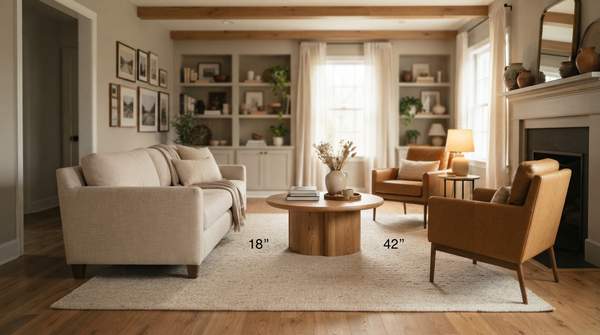
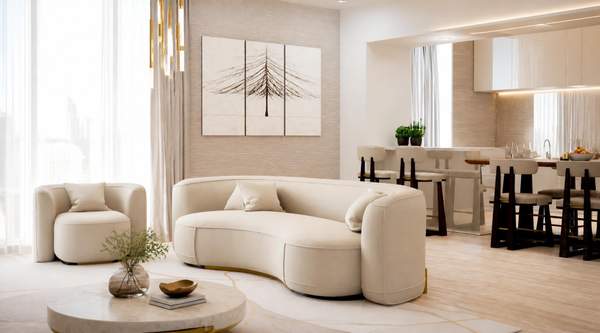
A cozy and eclectic bedroom interior showcasing personal style with warm lighting and vintage decor, reflecting the 'my room, my rules' trend.

Pinterest searches for 'dark cottagecore kitchen' surged by an astonishing 915%, revealing a profound shift away from sleek minimalism towards deeply personal and nostalgic home aesthetics. The surge in Pinterest searches for 'dark cottagecore kitchen' by an astonishing 915% points to a widespread desire to reclaim personal space with designs that prioritize comfort and individuality over austere, decluttered ideals. Individuals are actively curating environments that speak to their emotional needs and unique stories.

Modern life often pushes for sleek, decluttered spaces, creating a tension with the growing desire for warmth and character. Yet, people are increasingly searching for 'cluttercore' and 'grandma core' aesthetics to find genuine comfort and self-expression within their homes. The increasing search for 'cluttercore' and 'grandma core' aesthetics is a quiet rebellion against the prevailing norms of minimalist design.

The home is becoming a primary sanctuary for emotional well-being and identity. The home becoming a primary sanctuary for emotional well-being and identity suggests a long-term shift towards highly individualized, comfort-driven design that prioritizes lived experience over pristine appearances. The emerging comfort core design trend for 2026 champions cozy, functional living, transforming domestic spaces into authentic reflections of their inhabitants.

The Data Behind the Cozy Revolution

  • 415% — Searches for 'my room, my rules' on Pinterest increased, reflecting a strong desire for personalized spaces, according to Latin Times.
  • 495% — Search interest for 'eggplant color kitchen' rose, alongside a 545% increase for 'grandma core kitchen' on Pinterest, indicating a move towards rich, nostalgic palettes and styles, according to Latin Times.
  • 455% — Searches for 'comfortable reading chair for small spaces' climbed, while 'adult closet reading nook' increased by 55%, showing a trend of reimagining even limited areas as personal retreats, according to Latin Times.
  • 785% — In food trends, search interest for 'eggplant parmesan' surged, and 'leftover spaghetti recipes' rose by 570%, suggesting a broader lifestyle embrace of traditional, resourceful comfort, according to Latin Times.

Significant increases across diverse categories paint a vivid picture. From the desire for 'my room, my rules' to the embrace of 'grandma core' kitchens, people are actively seeking spaces that are not just functional, but deeply personal and emotionally resonant. The data reveals a clear preference for lived-in charm and rich nostalgia over stark modernity, a sentiment that even extends into everyday practices like cooking comforting, traditional meals.
Defining the Comfort Core Aesthetic

ElementCharacteristicSource
Anchor PiecesIncorporating an antique piece, such as a grandfather clock or secretary desk, to give a living room a sense of history.Country Living
Textural LayersLayering worn rugs over sisal carpeting to create a soft, natural feel, common in British homes.Country Living
Wall ColorsUsing nearly neutral wall colors, such as soft pinks, warm creams, or soft blues, to contribute to a cozy ease.Country Living
Decorating ApproachA laissez-faire approach resulting in a mix of pattern, color, and comfort, characteristic of British living rooms.Country Living

This approach champions a layered, lived-in feel, valuing history, texture, and genuine personal expression above stark, unadorned spaces. The true focus is on cultivating an environment that feels thoughtfully collected and authentically yours, rather than perfectly staged for show.

The Return to Familiarity

Familiar styles are making a heartfelt return, bringing warmth and comfort back into our homes. The re-emergence of interior design trends for 2026 points to a collective yearning for the stability and emotional warmth of the past. People are actively rejecting the sleek, often impersonal nature of modern minimalist design, instead embracing more inviting aesthetics. The pivot towards nostalgic and emotionally resonant decor answers a deeper societal need for warmth, security, and personal sanctuary in an increasingly complex world. Styles like 'grandma core' directly counter the clean lines that have dominated design for years, highlighting a desire for spaces that truly tell a story.

How People Are Embracing Cluttercore

Individuals are actively embracing the 'comfort core' philosophy, particularly through the 'cluttercore' aesthetic, to craft richly layered environments. To truly implement cluttercore, collect items over time, fostering organic growth and personal history within your space. Creative display and spreading collections throughout the home help integrate these cherished items seamlessly.

Planning dedicated spaces for items is crucial to avoid an overwhelming feel, according to Good Housekeeping. While 'cluttercore' and 'grandma core' lean maximalist, this guidance implies that achieving comfort through 'clutter' demands deliberate effort to avoid chaos. The guidance implies that achieving comfort through 'clutter' demands deliberate effort to avoid chaos, which empowers individuals to craft meaningful spaces that reflect their journey and personality without succumbing to overwhelming disarray, balancing self-expression with practical livability.

The Future of Home as Sanctuary

Consumers are actively using digital platforms to curate deeply personal, nostalgic sanctuaries.

  • The overwhelming surge in searches for 'dark cottagecore kitchen' (915%) and 'grandma core kitchen' (545%) on Pinterest, according to Latin Times.

The overwhelming surge in searches for 'dark cottagecore kitchen' (915%) and 'grandma core kitchen' (545%) on Pinterest points to a market ripe for brands that can authentically tap into emotional well-being rather than just aspirational minimalism. Companies developing home goods and decor should focus on character-rich pieces and customization options to meet this growing demand.

Even in an era of shrinking living spaces, individuals are fiercely prioritizing psychological retreats within their homes.

  • The parallel rise in searches for both 'adult closet reading nook' (55%) and 'comfortable reading chair for small spaces' (455%), according to Latin Times.

The parallel rise in searches for both 'adult closet reading nook' (55%) and 'comfortable reading chair for small spaces' (455%) compels designers and retailers to innovate beyond open-plan living towards intimate, multi-functional comfort zones. Solutions that optimize small areas for personal solace will likely see increased popularity, transforming how we perceive and utilize every corner of our homes.

The unexpected alignment of 'comfort core' home decor trends with a significant rise in searches for traditional, resourceful food indicates a broader cultural pivot.

  • A significant rise in searches for traditional, resourceful food like 'leftover spaghetti recipes' (570%), according to Latin Times.

The significant rise in searches for traditional, resourceful food like 'leftover spaghetti recipes' (570%) reveals 'comfort core' is more than a design fad; it's a broader cultural pivot towards self-sufficiency and emotional grounding that brands across multiple sectors can no longer afford to ignore. As individuals continue to seek solace and self-expression within their homes, this trend appears poised to become a more permanent shift towards highly personalized, emotionally intelligent design that prioritizes authentic living.

As comfort core continues to redefine our homes, design firms and retailers, particularly those specializing in custom cabinetry and unique decor, will likely expand their offerings by Q4 2026. They will focus on vintage-inspired pieces and highly customizable elements, catering to a lasting desire for truly unique, lived-in aesthetics that tell a personal story.