If you want a houseplant that cleans your air, the practical answer is to match the plant to two things: the pollutants you care about and the conditions of your home. NASA's Clean Air Study, run in small sealed chambers, identified specific plants that remove specific volatile organic compounds, and horticultural guides fill in the care details. The catch, as reporting on that research notes, is that measurable pollutant removal in real rooms would take far more plants than most people keep indoors — so treat plants as a pleasant, modest contribution to air quality, not a substitute for ventilation or a mechanical purifier.
Maximizing Your Plants' Air-Purifying Power
Start with realistic expectations. The NASA study was conducted in small sealed chambers. However, modern research indicates that achieving measurable pollutant removal in real-world spaces would necessitate far more plants than most people typically keep indoors. Nevertheless, incorporating several healthy plants can still contribute to a more pleasant and inviting living environment. That framing matters: you're choosing plants for a genuine but modest air benefit, plus the well-documented enjoyment of greenery.
Plant health is the foundation. A stressed or dying plant does less of everything, including whatever air-filtering its leaves and soil microbes do, so pick species suited to your light and watering habits rather than the most impressive pollutant list. An easy plant you keep alive beats a demanding one that struggles.
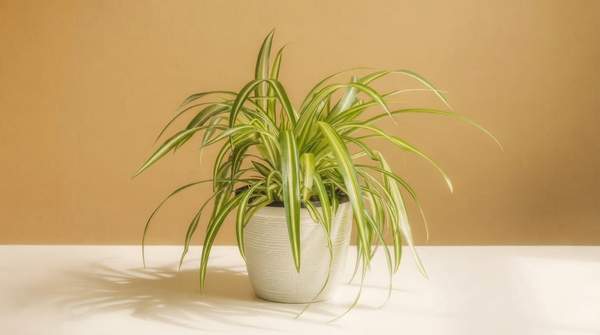
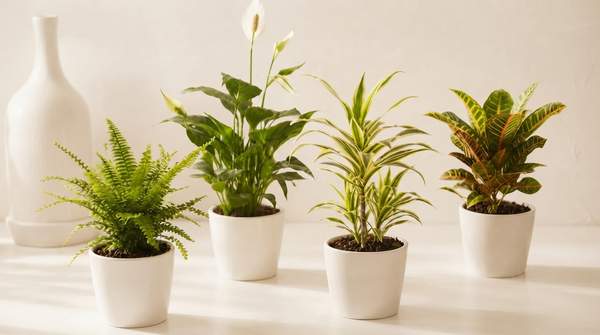
Placement and density shape results too. Effectiveness varies with room size, ventilation, and the number of plants, so a single spider plant in a large, drafty living room will do far less than several healthy plants grouped in the space where you actually spend time. Concentrate plants in the rooms where air quality concerns you most, and keep their leaves clean and dust-free so they can do their work.
One more note on carbon dioxide: while plants absorb CO2, typical houseplants remove relatively little compared with what people generate. If CO2 buildup is your main concern, improving ventilation and using an air quality monitor are more effective measures than adding greenery.