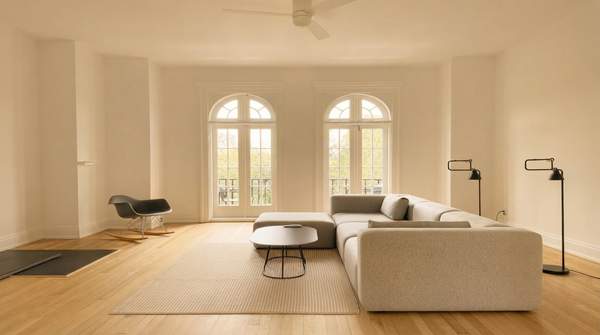
The average person spends 300 hours a year shopping for things they do not need, time that could be reclaimed for family and personal interests through minimalist living. This significant time investment often yields little lasting satisfaction. Imagine dedicating those hours to hobbies, learning new skills, or simply relaxing with loved ones instead.
Many believe acquiring more leads to happiness and success, but embracing less leads to greater personal well-being and environmental stewardship. This widespread belief drives endless consumption, yet often leaves individuals feeling overwhelmed and unfulfilled by their possessions.
As awareness grows, more individuals and communities are likely to adopt minimalist principles, shifting societal values towards sustainability and intentional living. This movement challenges the consumerist myth that happiness comes from material goods, revealing a path to a richer life with less.
Beyond the Bare Walls: Defining Minimalism
Minimalist living principles involve a conscious decision to prioritize experiences and values over material possessions. This approach extends beyond aesthetic preferences for sparsely decorated spaces. You actively choose to reduce what you own, focusing on items that serve a purpose or bring genuine joy.
This philosophy, known as consumer minimalism, promotes concern for protecting the environment by reducing excessive purchases, according to Onlinelibrary Wiley. It is not about deprivation; it is about intentionality. You gain control over your consumption habits, leading to a more deliberate and fulfilling lifestyle.
Embracing these strategies means you assess each item's value and impact. This process helps you distinguish between necessities and superfluous goods. The aim is to create space, both physically and mentally, for what truly matters in your life.
The Environmental Dividend: Less Stuff, More Planet
Adopting minimalist living actively contributes to environmental sustainability and resource preservation. Every item you choose not to purchase or consume reduces the demand on global resources. This directly lessens the ecological footprint associated with manufacturing, transportation, and disposal.

A minimalist lifestyle can help preserve resources, reduce waste, and lower carbon emissions, positively influencing the environment, notes pmc.ncbi.nlm.nih.gov. This means your individual choices have a tangible impact. You support a healthier planet by simply owning less.
The conscious choice to reduce purchases, often seen as a personal financial decision, is actually a direct and measurable act of environmental stewardship. This links your individual consumer behavior to global resource preservation. You become an active participant in protecting Earth's finite resources for future generations.
Reclaiming Time and Space: The Personal Payoff
Decluttering and minimalist practices significantly improve individual well-being, mental clarity, and overall quality of life. When your home is less cluttered, your mind often feels less cluttered too. This reduction in visual noise can decrease stress and improve focus.
Decluttering provides more room and time, which can improve well-being by allowing more time for family and interests, states pmc. You gain valuable hours previously spent organizing, cleaning, or searching for items. Imagine using that time for a hobby, exercise, or connecting with loved ones.
Reducing physical possessions directly translates into valuable personal resources like time and mental clarity, fostering a richer life experience. You shift your focus from managing things to cultivating meaningful moments and personal growth. This intentional redirection of energy from consumption to connection truly elevates your daily life.
Why Minimalism Matters Now More Than Ever
In a world saturated with consumer messages, embracing minimalism offers a powerful counter-narrative. It challenges the societal pressure to constantly acquire new items. This approach fosters both personal resilience and a collective sense of responsibility towards our planet.
Companies that continue to push hyper-consumption are not just selling products; they are actively undermining environmental sustainability and individual well-being. Consumer minimalism clearly demonstrates a direct link between reduced purchases and increased environmental concern. This shift empowers you to make choices that align with your values.
Minimalism isn't merely about owning fewer items; it's a strategic reallocation of personal resources—time, mental energy, and physical space—from the pursuit of material goods to the cultivation of personal well-being and active environmental protection. You gain a clearer understanding of what truly enriches your life. This intentional living provides an antidote to the digital overload and environmental concerns prevalent in 2026.
Your Minimalism Questions Answered
How to start minimalist living?
Begin your minimalist journey by selecting one area of your home, such as a closet or a single drawer. Remove everything from that space and only put back items you actively use or love. Consider adopting a 'one in, one out' rule for new purchases, or challenge yourself with a 30-day decluttering challenge, removing one item each day. Small steps lead to significant change.
As more individuals discover the profound benefits of intentional living, a societal shift towards valuing experiences over possessions appears increasingly likely, fostering both personal fulfillment and a healthier planet.