What are sustainable landscaping principles for eco-friendly homes?

Residential sites in Santa Clara County can receive rebates valued up to $3,000 for converting to sustainable landscaping, according to Valley Water .

MC
Mason Clarke

May 14, 2026 · 8 min read

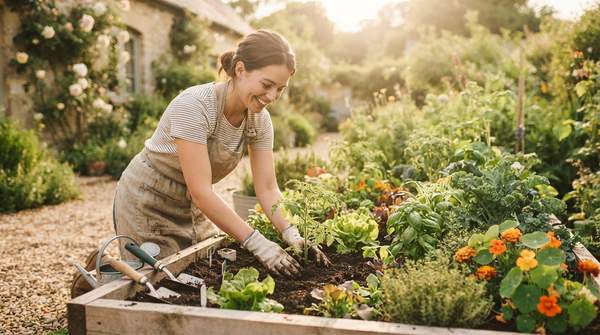
A sustainable, eco-friendly home landscape featuring native plants, a vegetable garden, and water-wise design elements under bright sunlight.

Residential sites in Santa Clara County can receive rebates valued up to $3,000 for converting to sustainable landscaping, according to Valley Water. The rebates valued up to $3,000 directly support homeowners in transforming their outdoor spaces, offering a clear economic benefit for environmentally conscious upgrades. Homeowners could fund a significant portion of their landscape conversion projects, reducing the out-of-pocket costs associated with creating a more water-efficient and ecologically sound yard. This opportunity, however, often goes untapped, with many property owners unaware of the available support designed to foster eco-friendly home environments.

Despite these significant financial incentives and the promise of lower maintenance from native plants, homeowners frequently undermine their own sustainable landscaping efforts. A common issue involves overwatering drought-tolerant plants, which are specifically chosen for their low water needs once established. Furthermore, many continue to maintain water-intensive lawns that demand considerable resources. This behavior highlights a tension: readily available solutions and financial support exist to reduce water consumption and environmental impact, yet widespread practices contradict these efforts.

The current situation suggests homeowners are effectively paying a premium in both money and effort to maintain less environmentally friendly landscapes. This occurs even as financial incentives, such as the up to $3,000 from Valley Water, are available for conversion. As climate concerns and resource scarcity become more pronounced in 2026, homeowners who adopt sustainable landscaping principles for eco-friendly homes will likely experience both financial savings and improved environmental outcomes. Conversely, those who delay or resist these changes may face increasing costs and potential regulatory pressures, making the embrace of sustainable practices an increasingly practical and beneficial choice for the modern home.

Beyond Green Lawns: Defining Sustainable Landscaping

Sustainable landscaping represents a holistic approach to designing and maintaining outdoor spaces, moving beyond conventional aesthetics to prioritize ecological function and resource efficiency. A fundamental principle involves the strategic selection of plants, favoring native species that naturally adapt to local climate conditions. These indigenous plants inherently require less maintenance, fertilizer, and pesticides compared to non-native varieties, as noted by thinkaec. This choice reduces the need for external inputs, leading to healthier soil and a more resilient garden.
Central to sustainable landscaping is the reduction of traditional lawn areas, which are typically high-maintenance and resource-intensive. Less lawn space directly translates to fewer chemical applications, minimizing the runoff of harmful pesticides and fertilizers into local rivers and other waterways. Minimizing the runoff of harmful pesticides and fertilizers into local rivers and other waterways is a critical environmental benefit, highlighted by AP News, underscoring how shifting away from expansive turf contributes to cleaner water systems. By decreasing chemical use, homeowners protect aquatic life and ensure safer drinking water sources for their communities.

The objective is to cultivate a landscape that thrives with minimal external intervention, supporting local biodiversity and conserving precious natural resources. This includes implementing smart irrigation techniques, improving soil health through organic amendments, and integrating features like rainwater harvesting. Sustainable landscaping fundamentally shifts focus from high-maintenance aesthetics to ecological function, reducing chemical use and promoting healthier local environments. This approach allows homeowners to create beautiful, functional outdoor spaces that align with environmental responsibility and yield long-term savings.

Smart Water Use: The Core of Eco-Friendly Yards

Effective water management stands as a central pillar of sustainable landscaping, offering homeowners practical strategies to significantly reduce their consumption. Rainwater harvesting systems, for instance, can collect dozens of gallons of water from just an inch of rainfall, providing a free and sustainable water source for landscape irrigation, according to thinkaec. This simple yet powerful technology captures precipitation that would otherwise run off, making it available for later use in gardens and reducing reliance on municipal water supplies. Implementing such systems can dramatically lower water bills and decrease demand on local water infrastructure.

Despite the widespread adoption of drought-tolerant plants in California, many common landscape species are frequently overwatered, even after they have become established. UCANR reports that this improper irrigation practice undermines the very purpose of selecting low-water plants. Homeowners often apply water more generously than needed, which not only wastes a valuable resource but can also harm the plants themselves by promoting root rot and other issues. This widespread overwatering of even drought-tolerant plants indicates a fundamental misunderstanding of sustainable landscaping, suggesting that financial incentives alone may not be enough without better education on proper care.

Even without undertaking a full landscape overhaul, homeowners can achieve immediate and substantial water savings. Reducing irrigation by 20% to 30% for several weeks is possible for lawns without killing the turf, though it will cause dormancy and browning, UCANR also states. Reducing irrigation by 20% to 30% for several weeks is possible for lawns without killing the turf, demonstrating that immediate, no-cost or low-cost options exist to reduce water use, even before a complete landscape conversion is considered. Homeowners are effectively paying a premium in both money and effort to maintain less environmentally friendly landscapes, despite readily available financial incentives and the promise of lower maintenance from native plants. Implementing targeted watering strategies and rainwater collection can drastically cut water consumption, proving that effective water management is central to sustainable landscaping and offers immediate returns.

Beyond Your Backyard: Community and Commercial Benefits

The advantages of sustainable landscaping extend significantly beyond individual residential properties, offering substantial benefits to entire communities and commercial sectors. Commercial and multi-family sites with five or more units can receive substantial rebates, valued up to $100,000, for converting to sustainable landscapes, according to Valley Water. Rebates valued up to $100,000 for commercial and multi-family sites encourage broader adoption across larger properties, leading to collective regional water savings and widespread environmental improvements. Such significant financial backing underscores the broader societal value placed on water conservation and ecological restoration.

To further support these widespread efforts, Valley Water provides free irrigation surveys for properties equipped with automatic irrigation systems in Santa Clara County. These surveys help property owners identify inefficiencies in their watering practices and recommend precise adjustments, allowing them to optimize water use without the need for extensive upfront investment in new equipment. Free irrigation surveys highlight a critical, often overlooked, benefit: reducing the flow of harmful pesticides and fertilizers into our waterways, a silent environmental win that traditional lawns actively prevent. By addressing irrigation issues at a larger scale, communities can significantly improve the health of their local aquatic ecosystems.

The substantial rebates and technical support available for larger properties underscore the significant collective impact and economic incentives driving widespread adoption of sustainable landscaping. The substantial rebates and technical support available for larger properties demonstrate a clear commitment to resource conservation that benefits entire communities, not just individual homeowners. The continued reliance on water-intensive lawns, despite the availability of free irrigation surveys from Valley Water and the proven ability to reduce lawn irrigation by 20-30% without killing turf, indicates a widespread inertia that costs both homeowners and the environment. The rebates, technical support, and free irrigation surveys illustrate that effective strategies and support are in place to facilitate a transition to more sustainable practices across various property types.

The Hidden Perks: Health, Well-being, and Microclimates

Beyond the well-documented benefits of water conservation and reduced chemical use, sustainable landscaping offers a range of less obvious but equally significant advantages, including direct improvements to personal health, overall well-being, and local microclimates. Engaging in gardening activities and spending time in nature is beneficial for people's overall well-being, according to AP News. This direct connection to the natural world provides mental and physical advantages, fostering a more harmonious and restorative living environment. Creating a personal oasis with native plants and natural elements can reduce stress and enhance quality of life.

Sustainable design choices can also directly influence the ambient temperature around a home, mitigating the urban heat island effect. Replacing large, water-intensive lawns with native plants can help mitigate the urban heat island effect.th materials like gravel or mulch, for example, can prevent a heat seal effect, which occurs when hard surfaces absorb and radiate heat, notes thinkaec. This strategic material choice helps to keep outdoor spaces cooler, making them more comfortable during warm months and potentially reducing cooling costs for adjacent buildings. The thoughtful integration of shade trees and permeable surfaces further contributes to a cooler, more pleasant microclimate.

Sustainable landscaping offers a hidden trifecta of benefits: reducing chemical runoff, mitigating urban heat, and potentially improving personal well-being. These advantages are often overshadowed by the primary focus on water conservation, yet they contribute substantially to a healthier home and community. Homeowners are leaving thousands of dollars on the table and actively undermining their own water conservation efforts by overwatering existing drought-tolerant plants and failing to capitalize on significant rebates for landscape conversion, as evidenced by Valley Water's $3,000 incentives and UCANR's findings on improper irrigation. Embracing these broader benefits reinforces the comprehensive value of sustainable practices.

Getting Started: Resources and Next Steps

What are the benefits of sustainable landscaping?

Sustainable landscaping offers numerous advantages, including significantly reduced water bills due to lower consumption and less time spent on routine maintenance. It also contributes positively to local ecosystem health by decreasing chemical runoff, supporting native biodiversity, and potentially improving air quality, all while enhancing personal well-being through increased connection to nature.

How can I make my garden more eco-friendly?

To make your garden more eco-friendly, begin by selecting native or drought-tolerant plants that are well-suited to your specific climate and soil conditions. Implement efficient irrigation methods such as drip systems or smart controllers, and consider installing rainwater harvesting solutions to capture dozens of gallons from just an inch of rainfall. Reducing traditional lawn areas and incorporating organic mulches also significantly contributes to an eco-friendlier yard.

What plants are best for sustainable landscaping?

The most suitable plants for sustainable landscaping are typically native species adapted to your specific region, as they naturally require less supplemental water, fertilizer, and pest control. Resources like "Sustainable Landscaping: Principles" by Marietta Loehrlein, available on Amazon, offer detailed learning objectives and case studies to guide plant selection and design decisions, helping homeowners choose species that thrive with minimal intervention and support local ecology.

The Sustainable Home: A Win-Win for You and the Planet

Embracing sustainable landscaping offers a clear and compelling path for homeowners to achieve both significant financial savings and responsible environmental stewardship. Sustainable landscape design aims to comprehensively reduce water consumption, mitigate soil erosion, and minimize waste, thereby creating resilient, resource-efficient, and ecologically balanced outdoor spaces, according to thinkaec. This holistic approach moves beyond mere aesthetic considerations to focus on long-term ecological function and viability, providing a lasting benefit.

Homeowners are actively sabotaging their own water conservation efforts by overwatering existing drought-tolerant plants and failing to capitalize on significant rebates for landscape conversion. This behavior effectively means they are leaving thousands of dollars on the table. This situation is particularly striking given the proven low-maintenance benefits associated with sustainable practices and the availability of substantial financial incentives, such as the up to $3,000 offered by Valley Water for residential conversions, which could offset much of the initial investment.

The data clearly suggests a critical need for increased education to accompany financial incentives, addressing the knowledge gap regarding proper care for low-water plants and efficient irrigation. By 2026, homeowners who proactively shift away from water-intensive lawns and adopt smarter irrigation techniques for drought-tolerant species will likely see substantial reductions in their monthly utility bills and contribute significantly to regional water conservation efforts. This proactive engagement will benefit both their personal finances and the health of local ecosystems, setting a precedent for future generations of eco-friendly homes and gardens.