Outdoor

How to Start a Low-Maintenance Herb Garden for Beginners: A Complete Guide

Imagine preparing a meal, reaching for fresh basil to finish your pasta, only to find the store-bought bunch has already wilted. Learning how to start a low-maintenance herb garden for beginners is the perfect solution, providing a constant supply of fresh flavors right outside your door.

MC
Mason Clarke

March 30, 2026 · 11 min read

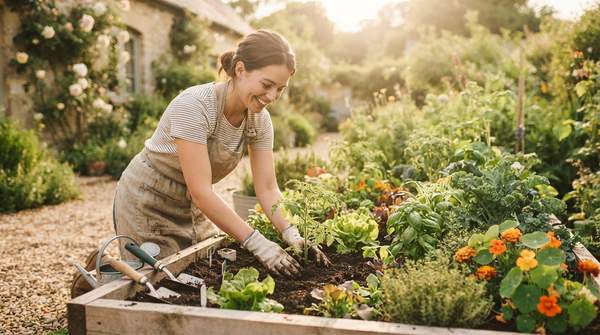
A beautiful, sunlit low-maintenance herb garden featuring various fresh herbs in terracotta pots and a small raised bed on a patio, perfect for beginners.

Imagine preparing a meal, reaching for fresh basil to finish your pasta, only to find the store-bought bunch has already wilted. Learning how to start a low-maintenance herb garden for beginners is the perfect solution, providing a constant supply of fresh flavors right outside your door. This project is not only rewarding but also surprisingly straightforward, making it an ideal entry point into gardening. It’s a worthwhile investment in your home, kitchen, and well-being, transforming a small patch of soil or a few pots into a productive and aromatic oasis.

What Is a Low-Maintenance Herb Garden?

A low-maintenance herb garden is a collection of culinary or aromatic plants specifically chosen for their resilience and minimal care requirements. Unlike a demanding vegetable patch, this type of garden focuses on hardy herbs that thrive with basic attention, making it perfect for those with busy schedules or new to gardening. According to the Old Farmer's Almanac, herbs are generally easier to keep and less demanding than most vegetables; they are compact, suitable for small spaces, and many can even be grown indoors year-round. The core principle is simple: select the right plants for the right location to create a self-sustaining source of fresh ingredients with the least amount of effort.

The "low-maintenance" aspect comes from strategic planning. It involves choosing herbs that are well-suited to your climate, providing them with the correct amount of sunlight, and planting them in soil that allows for proper drainage. By establishing these foundational elements correctly from the start, you create an environment where the plants can flourish with little more than occasional watering and harvesting. This approach minimizes the need for fertilizers, pest control, and constant fussing, allowing you to enjoy the benefits without the burden of intensive upkeep.

How to Start a Low-Maintenance Herb Garden: A Step-by-Step Guide

Building a successful herb garden is a process of thoughtful preparation. By following these steps, you can create a thriving space that provides fresh herbs for your kitchen with minimal effort. The key is to establish a strong foundation, from sunlight analysis to proper planting techniques.

  1. Step 1: Assess Your Sunlight

    The single most critical factor for a thriving herb garden is sunlight. Most culinary herbs require a minimum of six hours of direct, unfiltered sunlight each day to produce the essential oils that give them their vibrant flavor and aroma. This non-negotiable requirement is confirmed by multiple horticultural resources, including Colorado State University Extension and the Maine Organic Farmers and Gardeners Association. Before you buy a single plant, spend a day observing your property. Note which areas receive sun in the morning, at midday, and in the afternoon. An ideal location will have at least a six-to-eight-hour window of direct sun. For reference, an unobstructed south-facing or west-facing exposure is often best. While most herbs are sun-worshippers, the Old Farmer's Almanac notes that a few tender-stemmed varieties like cilantro, dill, and parsley can tolerate partial sun, which is defined as four to six hours of direct light.

  2. Step 2: Choose the Easiest Herbs for Beginners

    Your success as a beginner gardener hinges on selecting plants that are forgiving and robust. Start with a small, manageable selection of three to five types of herbs that you enjoy cooking with. Consider the following reliable choices, which can be categorized by their stem type and corresponding care needs.

    • Woody-Stemmed Perennials: These herbs, like rosemary, thyme, sage, and oregano, have tough, woody stems and tend to be more drought-tolerant once established. They prefer their soil to dry out slightly between waterings and often survive through the winter in many climates, returning year after year. They are a worthwhile investment for long-term flavor.
    • Tender-Stemmed Annuals and Perennials: Herbs like basil, parsley, cilantro, and dill have soft, green stems. These plants generally require more consistent moisture. According to the Old Farmer's Almanac, they perform best with approximately one inch of water per week, whether from rainfall or irrigation. Mint is also in this category but is notoriously aggressive; it is highly recommended to plant mint in its own container to prevent its runners from taking over your entire garden bed.

    When selecting your herbs, think about how you will use them. Basil is perfect for Italian dishes, cilantro is essential for Mexican and Asian cuisine, and rosemary pairs beautifully with roasted meats and vegetables. Starting with herbs you love will make the experience more rewarding.

  3. Step 3: Decide on a Garden Type and Location

    Once you've identified your sunniest spots, you can decide where and how to plant. Herbs are versatile and can be grown in various settings.

    • Containers: Growing herbs in pots is an excellent option for beginners, especially for those with limited space, such as on a patio, balcony, or sunny windowsill. Containers offer superior control over soil and water. Ensure any pot you choose has drainage holes. Most herbs do well in containers that are at least 8 to 12 inches in diameter, which provides ample room for root growth.
    • Raised Beds: A raised garden bed is another fantastic choice. It provides excellent drainage, prevents soil compaction, and can be filled with a perfect soil mix from the start. This option also warms up earlier in the spring, potentially extending your growing season.
    • In-Ground Beds: Planting directly in the ground is the most traditional method. If you choose this route, you may need to amend your existing soil to improve its texture and drainage. For an exceptionally low-maintenance in-ground garden, consider the no-till method. The Maine Organic Farmers and Gardeners Association (MOFGA) outlines a process where you lay down clean cardboard over your chosen spot to smother weeds, cover it with at least six inches of high-quality compost, and top it with up to three inches of deciduous wood chips for mulch. This method builds rich, healthy soil over time with minimal digging.

  4. Step 4: Prepare Your Soil

    Regardless of your chosen garden type, proper soil is non-negotiable. Most herbs prefer loamy, well-drained soil. Heavy clay soil holds too much moisture and can lead to root rot, while sandy soil drains too quickly, leaving the plants thirsty. The goal is a balanced medium that retains some moisture but allows excess water to escape freely. For container and raised-bed gardening, you have the advantage of creating the ideal soil mix from scratch. MOFGA suggests a robust mix for contained beds consisting of 50% organic compost and 50% of a combination of other materials like vermiculite or perlite (for aeration), sustainably harvested peat moss (for moisture retention), and small amounts of nutrient sources like bone meal or wood ash. For in-ground beds, you can improve existing soil by incorporating several inches of compost. One of the best features of growing herbs is that they rarely require fertilizer; in fact, overly rich soil can sometimes lead to lush foliage with a less concentrated flavor.

  5. Step 5: Source and Plant Your Herbs

    You can start your herbs from seeds, nursery starts (young plants), or cuttings. For beginners, purchasing nursery starts is by far the easiest and most reliable method. These young plants are already established, saving you the time and uncertainty of germination. When planting, carefully remove the herb from its container, gently tease apart any circling roots at the bottom of the root ball, and place it in a hole that is as deep and slightly wider than the pot it came in. Backfill with soil, press down gently to remove air pockets, and water thoroughly to help the plant settle into its new home. Be sure to space plants according to their mature size to ensure they have adequate air circulation, which helps prevent fungal diseases.

  6. Step 6: Master a Simple Watering Routine

    Watering is where many new gardeners go wrong, but it doesn't have to be complicated. The golden rule is to check the soil before you water. Stick your finger about an inch into the soil near the base of the plant. If it feels dry, it's time to water. If it feels moist, wait another day or two. This simple test prevents both underwatering and the more common mistake of overwatering. When you do water, do so deeply and at the base of the plant, allowing the water to soak down to the roots. Morning is the best time to water, as it allows any moisture on the leaves to evaporate during the day, reducing the risk of disease. Remember the distinction between woody herbs (which prefer drier conditions) and tender herbs (which need more consistent moisture).

  7. Step 7: Harvest Regularly for Better Growth

    The final step is the most enjoyable: harvesting. Regular harvesting is not just for your kitchen; it's also crucial for the health of the plants. Trimming your herbs encourages them to grow bushier and more compact rather than tall and spindly. For leafy herbs like basil and mint, pinch off the top sets of leaves right above a leaf node. This will encourage the plant to send out new side shoots, resulting in a fuller plant. For herbs like parsley and cilantro, harvest the outer, more mature leaves first, allowing the center of the plant to continue producing new growth. For woody herbs like rosemary and thyme, you can snip off stems as needed. Never remove more than one-third of the plant at a single time to ensure it has enough foliage to continue photosynthesizing and growing strong.

Common Mistakes in Beginner Herb Gardening

Even with the best intentions, new gardeners can encounter a few common pitfalls. Understanding these mistakes is the first step toward avoiding them and ensuring your low-maintenance garden stays that way.

  • Overwatering: This is perhaps the most frequent error. Enthusiasm can lead to giving plants too much water, which suffocates the roots and can lead to rot. The signs include yellowing leaves, wilting (even when the soil is wet), and a musty smell from the soil. Correction: Always follow the "finger test" and water only when the top inch of soil is dry. Ensure your pots and beds have excellent drainage.
  • Ignoring Sunlight Requirements: Placing a sun-loving herb like basil or rosemary in a shady spot is a recipe for disappointment. Plants deprived of adequate light will become "leggy," meaning they grow long, weak stems with sparse leaves as they stretch toward the sun. Their flavor will also be significantly diminished. Correction: Before planting, confirm your chosen location receives at least six hours of direct sun. As noted by Epicurious, even for indoor gardens, an unobstructed south-facing window is often necessary to meet this need.
  • Using Poor-Quality Soil: Grabbing any old dirt from your yard is unlikely to yield good results. Most garden soil is too dense for containers and may lack the drainage that herbs crave. Correction: Invest in a quality potting mix for containers or amend your in-ground beds with plenty of compost to create a light, loamy, and well-draining structure.
  • Planting Aggressive Spreaders with Other Herbs: Certain herbs, most notably those in the mint family (including peppermint, spearmint, and lemon balm), are vigorous spreaders. If planted in an open garden bed, their underground runners will quickly colonize the entire area, choking out more polite neighbors. Correction: Always plant mint and its relatives in a dedicated container to keep them contained.

Advanced Tips for a Thriving Herb Garden

Once you've mastered the basics, you might be interested in taking your herb garden to the next level. These considerations can improve the health of your plants and expand your gardening skills.

Companion Planting: Planting chives near carrots deters carrot rust flies, while basil near tomatoes is thought to improve flavor. This practice, known as companion planting, places specific plants together for mutual benefit, fostering a more resilient garden ecosystem and reducing pest management needs.

Mulching Your Garden: Applying a layer of mulch, such as shredded leaves, straw, or wood chips, around the base of your herb plants retains soil moisture, reducing watering. This layer also suppresses weed growth and, as it breaks down, adds valuable organic matter to the soil. As a key component of the no-till method, mulching is a great practice for all garden types.

Propagating New Plants from Cuttings: You can easily multiply many favorite herbs for free, including rosemary, mint, basil, and sage. Take a four-to-six-inch cutting from a healthy stem, remove the leaves from the bottom half, and place it in a glass of water on a sunny windowsill. Within a few weeks, roots should form. Once the roots are an inch or two long, plant your new herb in a pot with soil.

Succession Planting: For annual herbs with a short life cycle, like cilantro, which tends to "bolt" (go to seed) quickly in hot weather, succession planting is a smart strategy. To ensure a continuous supply, plant a small batch of seeds every two to three weeks throughout the growing season. This staggers the harvest, ensuring you always have fresh cilantro ready for your recipes.

Frequently Asked Questions

How much sun does a low-maintenance herb garden need?

A low-maintenance herb garden requires a significant amount of direct sunlight to thrive. The vast majority of culinary herbs, including popular choices like basil, rosemary, thyme, and oregano, need a minimum of six hours of direct, unfiltered sunlight each day. Some sources recommend as much as eight hours for the most robust growth and flavor.

Can I grow a low-maintenance herb garden in pots?

Yes, absolutely. Growing herbs in pots is an excellent method for beginners and those with limited space. It provides complete control over the soil, water, and sunlight exposure. To be successful, choose pots that are at least 8 to 12 inches in diameter and have excellent drainage holes at the bottom. Using a high-quality potting mix designed for containers is also essential.

What are the easiest herbs for beginners to grow?

Some of the most foolproof herbs for beginners are perennial, drought-tolerant varieties like thyme, oregano, and chives. Mint is also incredibly easy to grow, but it should always be planted in a container by itself to prevent it from spreading aggressively. For an easy annual, basil is a great choice as long as it receives plenty of sun and consistent water.

Do I need to fertilize my herb garden?

Generally, no. Most herbs do not require fertilizer and actually develop their best, most concentrated flavor in soil that is not overly rich. As confirmed by MOFGA, herbs rarely need supplemental feeding. A single application of compost to the soil at the beginning of the growing season is typically all that is needed to provide sufficient nutrients for the entire year.

The Bottom Line

Starting a low-maintenance herb garden is an accessible and highly rewarding project for any beginner. Success is straightforward: provide at least six hours of daily sunlight, ensure your soil has excellent drainage, and choose hardy, forgiving plants. Focusing on these fundamentals creates a beautiful and productive garden, bringing fresh, vibrant flavors to your kitchen for months to come.