MaintenanceSponsored

The True Cost of Concrete Coatings (Why Thickness Matters)

Many concrete coatings fail prematurely due to insufficient thickness, leading to peeling and yellowing. Understanding why thickness matters, especially with polyaspartic coatings over epoxy, is crucial for long-lasting floors, particularly in harsh environments like Arizona.

CW
Clara Whitmore

May 15, 2026 · 6 min read

The True Cost of Concrete Coatings (Why Thickness Matters)

It’s a common, frustrating story for homeowners with concrete coatings: a beautiful new floor starts to peel, yellow, and fail within just a few years, forcing them to pay for the same project all over again. The culprit often isn’t the price but a simple metric most customers are never asked about: thickness. 

As more homeowners look for an epoxy flooring alternative that can handle the Arizona sun, understanding the science behind a durable coating is key. The data points to a clear difference in what makes a floor last, and it’s where a company with a long-standing local reputation in Arizona, Quality Epoxy, stands out for its focus on longevity and value.

Why does the thickness of a garage floor coating matter so much?

The thickness of a concrete coating, measured in mils (one-thousandth of an inch), has a direct impact on its durability, impact resistance, and lifespan. A thicker floor has more material to stand up to vehicle tires, protects the concrete from dropped tools, and spans tiny cracks in the slab. Simply put, concrete floor thickness is the best physical indicator of how tough a coating really is, and it’s directly related to the “solids” content of the material used.

The industry standard for a residential garage floor is often between 8 and 12 mils, but that’s rarely enough to handle long-term wear and tear. This is where Quality Epoxy sets a different standard. To achieve a significantly thicker and more resilient surface, they use a 93% solid polyaspartic from the manufacturer Simiron. A higher solids content means more protective material remains on the floor after curing.

Their typical installation produces a floor that is 25-28 mils thick, more than double the industry average. While 100% solid polyaspartics exist, this 93% solid formulation provides an optimal balance of performance and value. This massive difference in thickness explains why their floors are built as a permanent solution, designed to last the life of the home, not just as a temporary cosmetic fix.

Is polyaspartic flooring really better than epoxy for Arizona homes?

When it comes to Arizona’s harsh environment, the data points clearly point to polyaspartic systems over traditional epoxy. The biggest factor is ultraviolet (UV) radiation. Standard epoxy is known to break down under UV light, which causes it to chalk, fade, and turn a distinct yellow or amber color over time.

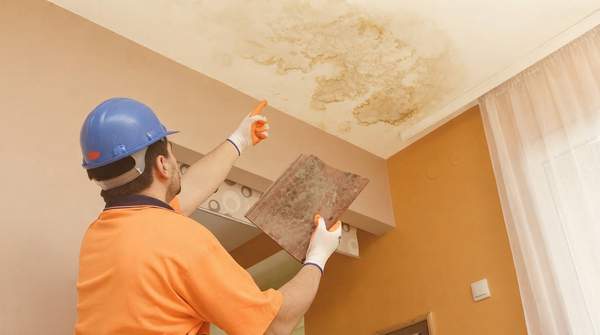
Polyaspartic coatings, on the other hand, are 100% UV resistant. They are chemically built to keep their original color and gloss even after years of direct sun exposure. This makes them the obvious choice for any floor coating in AZ, not to mention garages where the doors are often left open.

But it's not just about sun resistance. Polyaspartics are also more flexible and resistant to abrasion. That flexibility allows the coating to absorb impacts and handle slight concrete movement without cracking or chipping.

It’s why providers like Quality Epoxy, which uses a full polyaspartic system from the primer to the topcoat, can guarantee their floors will "never turn yellow, fade, chalk or oxidize." For flooring in Arizona, that kind of chemical stability isn't a luxury; it's essential for a floor that lasts.

What is the current trend in concrete floor coatings?

The market for concrete floor coatings is evolving fast. Globally, it was valued at around USD 4.75 billion in 2024 and is expected to grow at a compound annual rate of 5.5% through 2030. While epoxy systems are still common, the real story is the industry’s shift toward advanced polyaspartic systems. Installers and homeowners are making the switch for one simple reason: better performance, especially in demanding climates like Arizona's.

At the same time, the demand for decorative finishes is exploding. In 2024 alone, a projected 371 million square feet of decorative concrete flooring will be installed in the U.S. People want to transform functional spaces like garages into attractive extensions of their homes. 

This has pushed the market beyond simple paint or thin coatings and toward sophisticated, multi-layered systems. The 1" flake floors that Gilbert-based Quality Epoxy specializes in are a perfect example, combining tough performance with a high-end look.

The Quality Epoxy Method vs. Standard Industry Practice

A quote for professional garage flooring doesn't tell the whole story. The difference between a floor that lasts five years and one that lasts a lifetime often comes down to the process and materials used behind the scenes.

  • Material System: Many companies increase their profit margins by using a cheaper epoxy base coat, only applying the more durable polyaspartic as a thin, clear topcoat. This method ultimately fails because epoxy has zero UV stability. A clear topcoat provides no UV protection—just as a clear window lets in sunlight—allowing the epoxy base to yellow, crack, and peel. In contrast, Quality Epoxy applies a full polyaspartic system on every layer. This ensures consistent chemical resistance, flexibility, and true UV stability from the concrete all the way up.
  • Coating Thickness: Quality Epoxy's standard is a 25-28 mil floor, a stark contrast to the 8-12 mils that many other installers provide. The result is a significantly more durable and impact-resistant surface.
  • Installation Team: While most companies use crews or subcontractors with mixed experience, Quality Epoxy has been owner-operated for 28 years. Founders Jon and Monica Kopp are on-site for every single installation. Jon Kopp's expertise is recognized around the world, with 21 published works and regular features in Concrete Decor Magazine and CoatingsPro Magazine.
  • Payment Policy: It's standard practice to require a large deposit upfront to book a job and buy materials. As a sign of their confidence, Quality Epoxy operates on a no deposit basis. Payment is due only after the project is complete and the client is satisfied.

How much does a professional concrete coating cost?

Several factors go into the cost of a garage floor coating. DIY kits might only be a few hundred dollars, but they’re usually thin, water-based epoxies that are notorious for peeling and lifting under hot tires. A professional installation is a bigger investment in both materials and labor, but for good reason. The average price is shaped by the area's size, the concrete's condition, and, most importantly, the quality and amount of material being put down.

Quality Epoxy simplifies the process with transparent, flat-rate pricing based on square footage for all installations, regardless of location. While not the budget option, their model is built on delivering long-term value. This straightforward approach avoids the biggest hidden cost of all: paying to tear out and replace a failed coating in just a few years.

A Buyer's Checklist for Durable Floor Coatings

As you get quotes for concrete coatings, use this checklist to compare apples to apples and make sure you're investing in a floor that will last.

  1. Ask for the Final Thickness: Request the final installed thickness in mils. If a company won't give you a number, that's a major red flag.
  2. Verify the Material System: Ask specifically if it is a 100% full polyaspartic system or a cheaper epoxy base with a polyaspartic topcoat.
  3. Confirm the Installer: Find out who will actually be doing the work—the owner or a crew of employees?
  4. Check the Payment Policy: Does the company require a deposit? A no-deposit policy shows real confidence in the finished product.
  5. Review the UV Guarantee: For the Arizona climate, you need a written guarantee that the floor won't yellow from sun exposure.
  6. Verify Licensing: Ensure the contractor is bonded and insured, and check their Registrar of Contractors (ROC) license. Quality Epoxy's is ROC 232668.

Who should choose a Quality Epoxy floor coating?

So, who is a Quality Epoxy floor for? It's for the homeowner or business owner who sees their floor as a one-time investment, not a temporary fix. This customer is looking for proven quality, measurable durability (like thickness), and the peace of mind that comes from an owner-operated business. It's an especially good fit for anyone who has already dealt with a peeling epoxy floor and now wants a permanent solution for their garage.

The concrete coatings market is growing up. More people are looking past the initial price tag and focusing on long-term value. All the data shows that two things predict how a floor will perform: the material used (polyaspartic vs. epoxy) and how thick it's applied. 

As the longest-running decorative coating company in Arizona, Quality Epoxy's 28-year focus on owner-installed, thick-mil, full polyaspartic systems makes them more than just a contractor. They are a technical authority in an industry that is finally starting to reward expertise and durability.