Finding the right ruthless decluttering strategies for small spaces can feel overwhelming. The internet is full of tips, but the best approach truly depends on your specific challenge. Are you short on time? Drowning in sentimental items? Or just trying to keep daily clutter from taking over? Don't worry, we're going to tackle this together. We've sorted through expert-approved methods, including some from a ranking of popular online hacks by Get Organized HQ, to find the perfect strategy for every situation. You've got this!
To help you decide, we matched each strategy to a common decluttering challenge. We looked at the time commitment, the type of clutter it targets, and its effectiveness for long-term maintenance to find the best fit for your home and lifestyle.
Effective Decluttering Techniques for When You're Overwhelmed
When every corner seems cluttered, just starting is the hardest part. The sheer volume of stuff can lead to decision fatigue before you even begin. These strategies are designed to break the process down into manageable pieces, helping you build momentum without feeling defeated. They give you a clear path forward, one small victory at a time.
1. The One-Category-at-a-Time Method
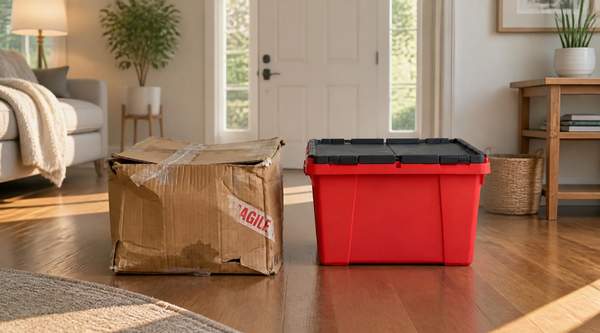
This strategy is your best friend when you feel paralyzed by the mess. Instead of trying to declutter an entire room, you focus on a single category of items from across your whole home. Think "all the books," "all the batteries," or "all the coffee mugs."
Why it works for feeling overwhelmed: This method provides a laser-sharp focus. According to a report from woman&home, tackling one category at a time prevents you from getting sidetracked. When you gather every single item from a category into one place, you get a true inventory. The report notes that many people are surprised to find duplicates, which makes it much easier to decide what to let go of. Seeing five can openers or ten identical black t-shirts in one pile provides instant clarity.
How to get started:
- Choose a non-sentimental category. The experts at woman&home suggest starting with something practical, like kitchen items or bathroom products. These decisions are typically based on utility (Is it expired? Is it broken?) rather than emotion.
- Gather every item. Go through your entire home—the kitchen drawers, the office desk, the car, the garage—and collect every single item in that category. Pile them all on the floor or a large table.
- Sort and decide. Create three piles: Keep, Donate/Sell, and Trash/Recycle. Handle each item and make a quick decision. Don't overthink it.
- Put everything away. Immediately return the "Keep" items to their designated homes. Get the "Donate" and "Trash" items out of your house as soon as possible to feel the full benefit of your work. A place for everything, and everything in its place!
The trade-off: This method can temporarily make a bigger mess as you pull items from all over the house. You need to commit to finishing the category in one session to avoid leaving a pile of clutter sitting in your living room.
2. The Problem Area Focus
If you have one or two spots that drive you crazy—the entryway table that’s a magnet for mail, or the kitchen counter that disappears under clutter—this strategy is for you. It’s about targeting the most frustrating areas first for the biggest and most immediate impact on your daily life.
Why it works for feeling overwhelmed: This approach provides a huge psychological boost. According to a report by Architectural Digest, professional organizers often recommend focusing on these important problem areas. Solving your home’s biggest clutter headache makes your entire space feel more manageable and serene. It proves you can make a difference and motivates you to continue.
How to get started:
- Identify your top two "clutter hotspots." What areas cause you the most stress? Is it the pile of shoes by the door? The stack of papers on your desk? Choose the one that will make you feel the most relieved once it's clear.
- Analyze the problem. Why does clutter accumulate here? Is it a dumping ground because there’s no designated spot for mail? Are you missing hooks for coats? Understanding the "why" is key to creating a lasting solution.
- Clear and organize. Remove everything from the area. Clean the surface. Then, only put back what is absolutely essential. Create a system to prevent the clutter from returning, like a mail sorter, a key hook, or a charging station.
The trade-off: This method fixes the symptom but might not address the root cause if your whole home is disorganized. You might clear the counter, but the clutter could just migrate to another surface if you don't have broader organizational systems in place.
Strategies for Quick Wins and Building Momentum
For busy people with only a few minutes, these strategies deliver immediate results. They are perfect for chipping away at clutter over time and building the habit of tidying up.
3. The 10-Minute Tidy
For a packed schedule, set a timer for 10 minutes and tackle one small, specific area. You'll be amazed at what you can accomplish in such a short time.
Why it works for building momentum: It’s an incredibly low-commitment way to start. According to Andrea Dekker of andreadekker.com, many small spaces can be better organized in under 10 minutes. A similar article from bhg.com notes there are at least 10 spaces you can declutter in that time. Regularly completing these small tasks helps build habits of using your time efficiently and seeing your spaces improve, which is incredibly motivating.
Quick tasks you can do in 10 minutes or less:
- Paper Clutter: Go through the mail pile, recycling junk mail and flyers immediately. Take old drawings and report cards off the refrigerator.
- Kitchen Clutter: Toss any expired food from your pantry or fridge. Quickly match up your food storage containers and lids. Wipe out a messy drawer.
- Digital Clutter: Delete old emails, unsubscribe from junk newsletters, or organize a folder of files on your computer.
The trade-off: This method isn't designed for large-scale decluttering projects. You won't organize your entire garage in 10-minute bursts, but you will make noticeable progress that keeps you going.
4. The Digital Memory Box for Sentimental Clutter
Sentimental items, especially children's artwork and school papers, are a major decluttering hurdle. You don't want to lose the memory, but you can't keep every piece. This strategy offers a compromise.
Why it works for building momentum: It removes the emotional barrier to letting go of physical items. The fear of losing a memory is what keeps us holding on to so much paper. By creating a digital archive, you preserve the memory perfectly without sacrificing physical space. According to andreadekker.com, taking a picture of children's artwork before recycling it is a suggested method for managing this type of clutter. This small action frees you to release the physical object, clearing space while keeping the sentiment intact.
How to get started:
- Set up a good photo spot. Find a place with good, natural light. A plain wall or a piece of white poster board makes a great background.
- Snap the photo. Take a clear, well-lit picture of the artwork or paper. You can even include your child holding it for an extra-special memory.
- Organize digitally. Create a dedicated folder on your computer or in a cloud service (like Google Photos or Dropbox). Name folders by child and year (e.g., "Anna - 2024 Art").
- Let the physical copy go. Once you have the digital copy saved and backed up, you can recycle the paper guilt-free. You've honored the item and saved the memory.
The trade-off: This requires a small amount of tech-savviness. You also need to be diligent about backing up your digital files to ensure your memories are safe for the long term.
How to Maintain a Clutter-Free Small Space Long-Term
Keeping a space decluttered requires smart systems to prevent clutter from creeping back in. These strategies focus on proactive maintenance and designing your space to discourage mess.
5. The Weekly Reset
Drop zones like mudrooms or entryways are designed for transition but quickly become overwhelmed with bags, shoes, mail, and sports equipment. This routine maintains them.
Why it works for long-term maintenance: It stops clutter before it becomes a major project. In the Architectural Digest report, professional organizer Kenzie Harkey advises her clients to clean out these spaces once a week for just 5 to 10 minutes. This regular, quick reset prevents the small daily pile-ups from turning into an overwhelming mess that requires hours to sort out. It becomes a simple, ingrained habit rather than a dreaded chore.
How to create your weekly reset:
- Schedule it. Pick a day and time and put it on your calendar. Sunday evening is a popular choice to prepare for the week ahead.
- Set a timer for 10 minutes. This isn't a deep clean. It's a quick tidy.
- Follow a simple checklist: Put shoes away, hang up coats, sort mail, return items that don't belong (like toys or dishes), and give the floor a quick sweep.
The trade-off: This strategy requires consistency. Skipping a week or two can quickly undo your progress and allow the clutter to build back up, making the next reset feel like a much bigger job.
6. The "No-Clutter Zone" Defense
Armchairs become laundry holders, and coffee tables collect mugs, mail, and magazines. This strategy uses intentional decor to defend these surfaces from becoming dumping grounds.
Why it works for long-term maintenance: It's a clever psychological trick. An empty surface looks like an invitation for clutter. A beautifully styled surface, however, feels occupied. According to Architectural Digest, professional organizer Lisa Eckerle suggests covering a bedroom armchair with a decorative pillow and a folded blanket. This simple act makes it less convenient to toss clothes there. For coffee tables, she recommends using a few larger, intentional items that take up roughly 80% of the surface—like a tray, a stack of books, and a plant—rather than many small trinkets. This leaves no room for random clutter to land.
The trade-off: You have to be mindful not to let your "defensive" decor become clutter itself. The goal is a few intentional, beautiful items, not a collection of knick-knacks.
7. The Mobile Project Tray
This is for anyone whose dining table doubles as a home office, craft station, or puzzle headquarters. It's a simple system to clear a multi-use surface in seconds.
Why it works for long-term maintenance: It makes cleanup almost effortless. Instead of having to put away dozens of small pieces one by one, you move the entire project at once. Lisa Eckerle, in the same Architectural Digest article, recommends using a simple baking sheet with sides for puzzles or board games. When it's time for dinner, you just lift the whole tray and move it to a shelf or sideboard. The table is cleared in less than 10 seconds. This works for kids' Lego projects, beading, or even your laptop and work papers.
The trade-off: You need a designated landing spot for the tray when it's not in use. Without a home for the tray itself, you're just moving the clutter from one spot to another.
| Strategy Name | Best For | Key Principle | Key Strength |
|---|---|---|---|
| One-Category-at-a-Time | Feeling overwhelmed by the total amount of stuff | Group like items from the entire home to see the full inventory | Makes decisions easier by revealing duplicates |
| Problem Area Focus | High-stress "clutter hotspots" like entryways | Tackle the most frustrating area first for a big motivational win | Provides immediate, high-impact results |
| The 10-Minute Tidy | Busy schedules and building habits | Use short bursts of focused time on small, specific tasks | Low commitment and great for momentum |
| Digital Memory Box | Sentimental paper clutter like kids' art | Photograph items to preserve the memory without the physical object | Removes the emotional barrier to letting go |
| The Weekly Reset | Maintaining high-traffic drop zones | Schedule a quick, recurring tidy-up to prevent accumulation | Stops clutter before it becomes a major project |
| "No-Clutter Zone" Defense | Surfaces that attract clutter (chairs, coffee tables) | Use intentional decor to make surfaces inconvenient for dumping | A passive, psychological deterrent to mess |
| The Mobile Project Tray | Multi-use surfaces like dining tables | Contain projects on a movable tray for instant clearing | Makes transitioning a space from one use to another effortless |
The Bottom Line
If you're feeling overwhelmed, start with the One-Category-at-a-Time Method to gain clarity. If you're short on time, embrace the 10-Minute Tidy to make consistent progress. For keeping your small space clear for good, implementing the Weekly Reset and defending your surfaces with intentional decor will make all the difference.


