This guide breaks down the top spring garden trends for 2026, identified by design experts and evaluated based on expert consensus from leading design publications, their practicality for the modern homeowner, and their potential for creating a truly personalized environment. Homeowners eager to transform their gardens with intention can find inspiring styles, whether seeking a low-maintenance sanctuary, a vibrant hub for entertaining, or a space that tells a personal story, making the outdoor space a beautiful and deeply personal extension of their home.
These trends were selected and ranked based on an analysis of reports from sustainable design experts, trend forecasters, and lifestyle publications, with a focus on sustainability, personalization, and overall aesthetic impact.
1. Sustainable & Practical Gardens — For Long-Term Value and Low Maintenance
The most significant shift in garden design is towards spaces that are as smart as they are beautiful. Sustainable garden design expert Robert Witcomb, in a homesandgardens.com report, states Spring 2026 is a "turning point for garden design, where sustainability and practicality are no longer secondary considerations but central to how outdoor spaces are planned." This trend prioritizes long-term resilience for eco-conscious homeowners who want a thriving, environmentally responsible garden with less intervention and easier care.
This approach ranks highest as it addresses multiple homeowner needs: reducing water usage, minimizing chemical treatments, supporting local wildlife, and lowering maintenance hours. Incorporate it by choosing native plants adapted to your local climate and soil, reducing the need for excessive watering or fertilizing. Consider installing a living green wall for vertical interest or creating naturalized borders with hardy perennials that return year after year. The focus is on durable materials and smart layouts that stand the test of time. The primary drawback is the potential for higher upfront costs; investing in high-quality, sustainable materials or establishing a garden with mature native plants can be more expensive initially than conventional landscaping, though it often pays off in reduced maintenance costs over time.
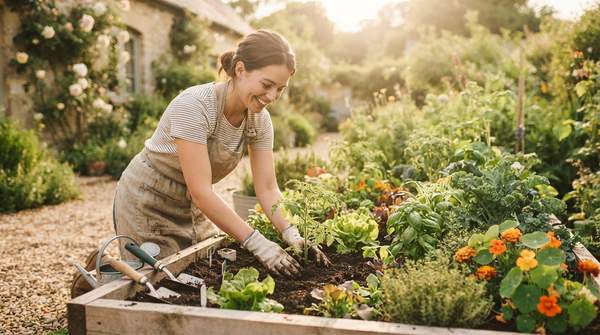
2. Hyper-Personalized Alfresco Art — To Make Your Garden Uniquely Yours
Pinterest's Spring Trend Report 2026 highlights 'personalization' as a major theme, encouraging homeowners to make their mark by curating an outdoor gallery that reflects specific taste and personality. Moving beyond mass-produced planters and generic decor, this style is ideal for the creative homeowner who views their yard as an extension of interior design, a place to showcase art, and tell a story, creating unique moments of surprise and delight.
This trend outshines more uniform design styles by championing individuality, encouraging eclecticism and character instead of a perfectly manicured but impersonal space. Bring this to life by creating a sculpture garden, as suggested by House Beautiful designers, even using smaller, more accessible pieces. Think about a unique water feature, a custom-made metal screen, or a collection of handcrafted ceramic pots. The Times' 'chic garden guide 2026' also highlights 'alfresco art.' The main limitation is that outdoor art must be durable enough to withstand the elements; finding weather-resistant pieces that fit your budget and aesthetic can require more research and investment than standard garden decorations.
3. Nostalgia Gardening — To Cultivate Memories and Sensory Experiences
Nostalgia gardening, identified by Country Living as a "feel-good" movement rooted in memory, creates a garden that transports you to another time and place with a single scent or the sight of a familiar flower. This approach is ideal for the sentimental homeowner who wants to create a space that offers emotional comfort and a deep sense of personal history, cultivating plants and an atmosphere that evokes cherished memories, such as a grandparent’s flower patch or a childhood summer.
This trend ranks highly for its focus on the emotional and sensory benefits of a garden, which can provide a more profound sense of satisfaction than a space designed purely for visual appeal. To embrace this style, think about the plants, scents, and colors that hold personal meaning for you. Did your grandmother grow fragrant roses or sprawling lilac bushes? Do the smells of mint or lavender remind you of a favorite place? Incorporate these "memory-keepers" into your beds and borders. The primary drawback is its subjectivity; a garden designed around personal memories may not have the broad aesthetic appeal of a more contemporary design, which could be a consideration for future resale value. It is, by its nature, a garden designed for you, not necessarily for others.
4. Multi-Functional Garden Zones — For Maximizing Usability and Entertainment
As we increasingly view our outdoor areas as extensions of our living space, creating distinct zones for different activities has become essential. This trend is about strategic design that carves out specific areas for dining, lounging, playing, and even working. It’s the perfect solution for homeowners who love to entertain or for families who need their backyard to serve multiple purposes simultaneously. By breaking up a large, open yard into intentional zones, you can dramatically increase its functionality and make it feel more organized and inviting.
This practical approach is more effective than a single-purpose lawn because it maximizes every square foot of your property. Designers recommend using different hardscaping surfaces, like a stone patio for dining and a gravel patch for a fire pit, to visually separate the areas. Another idea, mentioned in The Times, is the creation of 'shade stations'—dedicated spots for relaxation away from the sun. You could even invest in a versatile greenhouse that doubles as a potting shed and an intimate space for entertaining. The main limitation of this trend is that it often requires significant planning and investment in hardscaping, structures, and outdoor furniture, making it one of the more labor-intensive and costly trends to implement.
5. The Controlled Rewild — For a Natural Look with Clean Edges
For those who love the lush, romantic look of a wild English garden but fear the chaos, this trend offers the perfect balance. It embraces the growing interest in rewilding and creating habitats that support local wildlife, but it does so within a structured and intentional framework. This style is best for the gardener who wants a yard teeming with life and natural beauty but still craves a sense of order and tidiness. It’s about achieving what designers call an "illusion of overgrowth" while maintaining clear, manageable boundaries.
This trend provides a compelling alternative to either rigidly formal gardens or completely untamed spaces. It captures the best of both worlds: the ecological benefits and soft aesthetics of wild planting, combined with the low maintenance and clean look of a well-defined structure. You can achieve this look by allowing bushes and flowers to grow over pathways, creating a soft, abundant feel, while using crisp metal or stone edging to keep them in check and prevent grass from invading your paths. This juxtaposition of soft planting and hard lines is the key. The challenge lies in striking the right balance; it requires a disciplined approach to pruning and edging to ensure your "controlled rewild" doesn't become a truly overgrown jungle.
| Trend Name | Category/Type | Key Feature | Best For |
|---|---|---|---|
| Sustainable & Practical Gardens | Eco-Design | Low maintenance, native plants | The time-poor, eco-conscious homeowner |
| Hyper-Personalized Alfresco Art | Aesthetic Expression | Unique sculptures & outdoor decor | The creative individualist |
| Nostalgia Gardening | Sensory Experience | Memory-evoking plants & scents | The sentimentalist seeking comfort |
| Multi-Functional Garden Zones | Functional Design | Designated areas for dining & relaxing | The entertainer and large families |
| The Controlled Rewild | Aesthetic & Eco | Lush planting with sharp borders | The nature-lover who values order |
How We Chose This List
To identify the top spring garden trends for 2026, we synthesized information from multiple expert sources, including trend reports from platforms like Pinterest, guidance from sustainable design experts featured in publications like homesandgardens.com, and style guides from outlets such as The Times and Country Living. Each trend was evaluated based on its practicality for a typical homeowner, its potential for personalization, and its alignment with broader shifts in home and garden design. We prioritized trends that offer actionable ideas and excluded concepts that were overly niche, prohibitively expensive, or required exclusive reliance on professional designers and landscapers.
The Bottom Line
For homeowners focused on lasting value and ease of care, the movement towards Sustainable & Practical Gardens is the most impactful trend for 2026. If your primary goal is to create a space that is a true reflection of you, embracing Hyper-Personalized Alfresco Art or designing a Nostalgia Garden offers a deeply rewarding path to a unique outdoor sanctuary.