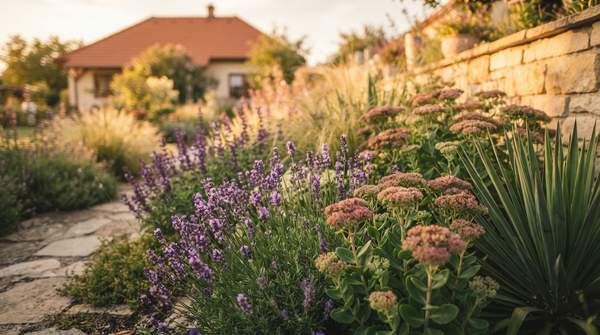
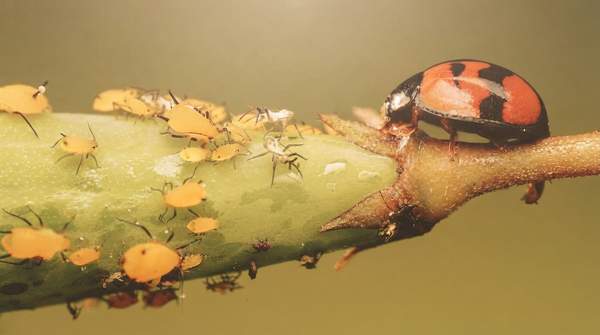
In an average backyard, native plants can support 15 times more native caterpillar species than non-native alternatives, a critical food source for birds. Native plants hosting 74 species compared to just 5 on non-native counterparts, a striking difference, profoundly impacts local food webs.
The choice of greenery in urban settings directly influences the survival rates of foundational insect populations, vital for avian diets and broader ecological health. Landscaping decisions thus carry immediate, measurable consequences for local biodiversity.
Scientific research overwhelmingly demonstrates the superior ecological benefits of native plants, but prevailing landscaping trends often prioritize non-native aesthetics and structural elements over biodiversity. This fundamental misalignment of priorities actively undermines urban biodiversity, despite the overwhelming scientific evidence that native plants are critical ecological anchors.
As environmental challenges intensify and homeowners seek more purposeful outdoor spaces, the market for native plants will likely grow, but it will require a conscious shift in design philosophy to fully realize their ecological potential, fostering more sustainable landscaping practices with clear ecological benefits.
The Overwhelming Evidence for Native Superiority
A comprehensive synthesis of ecological research reveals a clear, yet complex, picture of native plant performance in various environments.
- 120 studies found that native plants outperform non-native plants on the response metric evaluated in the study, according to ecological research syntheses.
- 57 studies demonstrated mixed impacts when comparing native and non-native plants, according to ecological research syntheses.
- 56 studies demonstrated no differences among plant origin when comparing native and non-native plants, according to ecological research syntheses.
- 26 studies found non-native plants outperformed native plants, according to ecological research syntheses.
This data shows that while the bulk of scientific evidence supports native plant superiority, a significant body of research presents a more nuanced or even contradictory picture. The existence of mixed or no-difference findings can provide a convenient justification for aesthetic choices that ultimately harm local ecosystems. Consequently, the landscaping industry is failing to effectively communicate the net ecological benefit of native flora, allowing a minority of nuanced findings to obscure the overwhelming imperative for biodiversity.
Beyond Aesthetics: Tangible Ecological Benefits
Garden beds in Britain comprised of native plants consistently showed 20% or more greater abundance and diversity of insects than those with exotic plants, according to the Xerces Society. The 20% or more greater abundance and diversity of insects in native plant garden beds in Britain confirms a direct link between plant origin and the health of local insect populations, forming the base of many food webs.
| Ecological Metric | Native Plants | Non-Native Plants |
|---|---|---|
| Insect Abundance & Diversity (Britain) | 20%+ greater | Lower |
| Faunal Abundance & Diversity (Urban) | Higher | Lower |
Footnote: Data compiled from Xerces Society and ecological studies.
Beyond Britain, ecological studies consistently confirm that native plants support higher faunal abundance and diversity in urban landscapes. Native plants support higher faunal abundance and diversity in urban landscapes, underscoring that they are not merely an aesthetic choice; they are fundamental to creating thriving, resilient local ecosystems. Their presence ensures a robust food web, supporting everything from insects to birds and other wildlife, even within developed urban areas.
Environmental Urgency Meets Shifting Preferences
Homeowners are increasingly seeking garden structures that define outdoor spaces, provide enclosure, and offer more utility, leading to the popularity of pavilions and pergolas, according to Business Insider. The popularity of pavilions and pergolas creates a direct conflict between the proven ecological needs of local wildlife and the dominant aesthetic and functional desires of urban homeowners, where structural elements are prioritized over biodiversity. A focus on human-centric ambiance over ecological considerations is also evident in the rise of 'sexier' outdoor lighting, with adaptive fixtures like chandeliers and dimmable lanterns.
The pursuit of modern, structured outdoor spaces inadvertently starves local food webs by displacing native flora essential for foundational species like caterpillars. This design philosophy, prioritizing human-centric utility and aesthetics, often overlooks the cascading ecological impact, leading to a decline in essential biodiversity within urban areas.
Integrating Nature into Modern Outdoor Living
The landscaping industry's failure to communicate the net ecological benefit of native plants allows aesthetic preferences to overshadow biodiversity needs.
- The industry's selective focus exacerbates the perception gap; while 120 ecological studies favor native plants, the 26 studies where non-natives outperformed often receive disproportionate attention, providing convenient justification for less ecologically sound choices.
The stark contrast between 120 ecological studies favoring native plants and 26 where non-natives outperformed leads to the conclusion that companies that continue to push non-native ornamental landscaping are not just missing an opportunity; they are actively contributing to the decline of essential biodiversity. They are trading short-term aesthetic appeal for long-term ecological degradation, as evidenced by the 15-fold difference in caterpillar support. Integrating native flora seamlessly into modern designs, rather than treating them as an afterthought, presents a path forward for both ecological health and homeowner satisfaction.
Cultivating a Greener Future, One Yard at a Time
If the landscaping industry recalibrates its offerings to integrate the profound ecological value of native plants with modern aesthetic demands, it will likely foster a more sustainable future for urban biodiversity, moving beyond short-term appeal to long-term ecological resilience.