Does this sound familiar? You wake up to the first truly chilly autumn morning, ready for a cozy sweater, but your closet is a sea of summer dresses and tank tops. You have to dig past sandals and shorts just to find a single long-sleeved shirt. Implementing a seasonal swap strategy for your wardrobe and home can end this frustrating routine for good. This simple habit helps declutter your closet, protect your favorite items, and streamline your daily life. Let's tackle this together!
What Is a Seasonal Swap Strategy and Why Is It Effective?
A seasonal swap strategy is the simple practice of rotating your clothes, accessories, and even home decor based on the time of year. Instead of keeping everything you own in your closet at all times, you store off-season items away. This leaves you with a curated, accessible collection of things you need right now. When the seasons change, you simply swap the stored items with the current ones. It’s a powerful way to organize your space and your life.
The benefits go far beyond a tidy closet. A seasonal swap reduces visual clutter, which can lower stress and decision fatigue when you get dressed each morning. By forcing an intentional edit of your wardrobe a couple of times a year, you stay on top of what you own, love, and actually wear. It also protects your investment pieces. According to the experts at LA CLOSET DESIGN, proper storage prevents unnecessary wear and tear, keeping your favorite items in top condition for years to come. Many people find that a seasonal change can feel like a fresh start, helping them rediscover old favorites and get creative with their style.
How a Seasonal Swap Works: A Step-by-Step Guide
Ready to create a closet that works for you all year round? A seasonal swap is a manageable project that delivers big results. Follow these steps to make the process smooth and effective. You’ve got this!
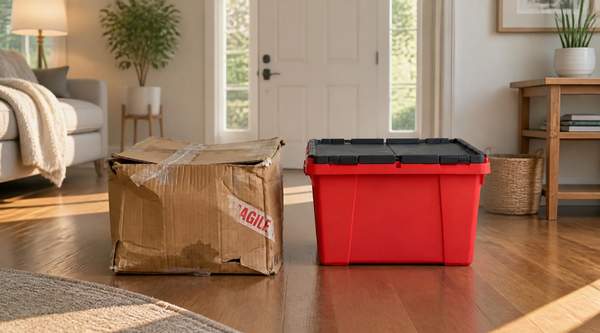
- Step 1: Gather Your SuppliesBefore you start, get everything you need in one place. This includes sturdy, breathable storage containers like fabric boxes or cotton garment bags. Avoid airtight plastic tubs, as they can trap moisture and cause fabrics to yellow over time. You’ll also want labels, a marker, and some cleaning supplies. Set aside a few hours so you don’t feel rushed.
- Step 2: Take Everything OutFocus on one season at a time. If you’re swapping from summer to fall, pull out all of your warm-weather clothing. This includes dresses, shorts, sandals, swimwear, and lightweight tops. Piling everything on your bed gives you a clean slate and a true picture of everything you own for that season.
- Step 3: Edit and DeclutterThis is the most important step for long-term organization. As you handle each item, ask yourself a few key questions. A guide from A Life More Organised suggests doing a "joy check" for each piece. Does it fit you well? Did you wear it in the last year? Do you feel good in it? Another great tip comes from professional organizers featured in Homes & Gardens: when storing an item, ask yourself if you would be excited to unpack it next year. If the answer is no, it’s time to let it go. Create three piles: Keep, Donate, and Discard.
- Step 4: Clean Everything You're KeepingNever store dirty clothes. Moths and other pests are attracted to traces of sweat, food, and perfume on fabrics. Before packing anything away, make sure it is freshly washed or dry-cleaned. This simple step is crucial for preserving your clothes and ensuring they are fresh and ready to wear when you pull them out next season.
- Step 5: Store Items ThoughtfullyNow it’s time to pack your "Keep" pile. Group similar items together—for example, all your swimsuits in one fabric box, all your sundresses in another. This makes finding things much easier later. Fold knit items to prevent stretching, and use breathable garment bags for more delicate pieces. For bulky items like winter coats, vacuum-sealed bags can save a lot of space, but use them cautiously with natural fibers like wool or down, as they can be crushed.
- Step 6: Label with DetailClear labeling is your future self’s best friend. Be specific! Instead of just writing "Summer Clothes," label the bin "Women's Short-Sleeve Tops & Tank Tops" or "Beachwear & Cover-Ups." This way, if you need a specific item unexpectedly (like for a winter vacation to a warm climate), you can find it without unpacking every single box.
- Step 7: Arrange the New Season's ItemsWith your off-season clothes neatly stored, you can now focus on the current season. Unpack your fall sweaters, jeans, and boots. Arrange them in your closet and drawers so they are easy to see and access. This is your reward: a clean, organized closet where everything is relevant to your life right now. A place for everything, and everything in its place.