Despite the average American home having a backyard, this space remains the most underutilized area, often sitting dormant rather than serving as a vibrant extension of indoor life. Many homeowners view these plots as mere green buffers, neglecting their potential for expanded functionality and social engagement. Valuable square footage goes unused, limiting the home's overall capacity for living and entertaining.
The American backyard is largely underutilized, but evolving design trends are transforming it into a highly functional extension of the home. Homeowners are increasingly seeking ways to maximize every square foot, pushing designers to innovate beyond traditional garden layouts. This tension between dormant potential and functional necessity drives significant shifts in outdoor living.
Therefore, future backyard designs will increasingly prioritize resilience, multi-functionality, and seamless integration with indoor living spaces, moving away from purely aesthetic or high-maintenance gardens. This approach addresses both lifestyle desires and environmental challenges, making the backyard a central part of modern home design.
Despite its prevalence, the American backyard consistently ranks as the most underutilized space, according to Forbes. Valuable outdoor square footage often sits idle, failing to contribute meaningfully to daily life or social activities. A missed opportunity for homeowners to expand their functional living areas and enhance their quality of life. As indoor spaces become more constrained or less appealing for certain activities, the backyard offers untapped potential, ready to be transformed into an active extension of the home for relaxation, entertainment, and everyday living.
Blurring the Lines: The Indoor-Outdoor Continuum
Modern backyard landscaping trends for 2026 prioritize creating a fluid connection between interior and exterior spaces. Creating a seamless transition from the interior to the exterior space is one of the most important elements of a great outdoor entertaining space, reports Forbes. This shift moves beyond simply adding a patio; it involves architectural and design choices that visually and functionally merge indoor rooms with outdoor areas.
The emphasis on seamless transitions signifies a fundamental redefinition of the backyard as an integral part of the home's overall living and entertaining footprint. Large sliding glass doors, consistent flooring materials, and coordinated decor elements now extend the comfort and style of the living room directly into the garden. This integration allows homeowners to expand their usable square footage without adding physical walls, creating a more open and adaptable environment.
The Rise of the Outdoor 'Room'
- Outdoor Kitchens — Outdoor kitchens are the focal point of the backyard, as people tend to gather where there is food, according to Forbes (2026).
- Sophisticated Lighting — Ambient lighting and task lights, especially on dimmers, are suggested for outdoor dining areas, according to The Detroit News (2026).
Together, these elements signify a shift towards fully functional outdoor zones. The integration of full cooking facilities and adaptable lighting solutions means outdoor spaces are no longer just for casual use but can host elaborate meals and evening gatherings. This transforms the backyard from a passive space into a dynamic, fully equipped extension of the indoor kitchen and dining areas, fostering social interaction and elevating its status to a primary social hub, mirroring the importance of interior communal spaces.
Adapting to a Changing Climate
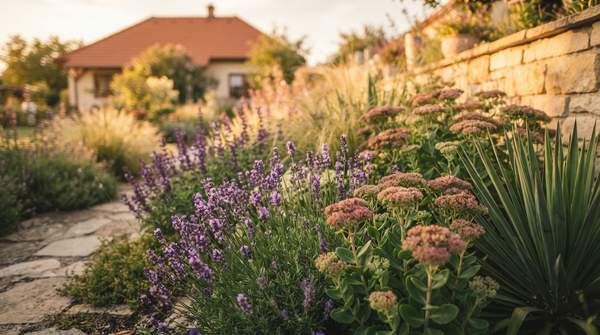
Environmental pressures are driving a significant demand for more resilient and adaptable backyard designs. Gardens are having a tough time adjusting to increasingly volatile weather patterns, according to elledecor. This observation points to a critical challenge for traditional landscaping, where extreme heat, unexpected frosts, and prolonged droughts can devastate plant life and require constant, intensive maintenance.
The increasing unpredictability of climate is forcing a re-evaluation of traditional landscaping, pushing towards more resilient, low-maintenance, and climate-appropriate outdoor solutions. Homeowners are seeking plants and materials that can withstand harsher conditions, reducing water consumption and ensuring long-term aesthetic appeal. This pragmatic approach ensures outdoor spaces remain vibrant and functional despite environmental variability, shifting focus from delicate flora to hardy, sustainable options.
Designing for Comfort and Resilience
Functional needs, such as comfort and protection, are being integrated into modern backyard design with increased intentionality. Incorporating protection from the sun with an umbrella or awning is a design consideration for outdoor spaces, according to The Detroit News. This shows a move beyond purely decorative elements, prioritizing the usability and comfort of outdoor areas throughout the day and in varying weather conditions.
Practical considerations like sun protection are becoming non-negotiable elements, reflecting a desire for comfort and usability in all weather conditions, extending the time spent outdoors. Beyond umbrellas, pergolas, retractable awnings, and even strategically planted shade trees are now integral components. These features allow homeowners to use their outdoor spaces for longer periods, transforming them into truly year-round extensions of the home, rather than seasonal amenities.
The Future of Outdoor Living
The transformation of the backyard from an underutilized plot into a new frontier for home expansion and social activity presents a significant opportunity for companies in outdoor living. This fundamental shift in homeowner priorities drives demand for innovative solutions.
The convergence of seamless design, multi-functional zones, and climate resilience indicates a future where the backyard is not just an amenity, but an essential, integrated component of the modern home. This shift demands innovative products and services that cater to both aesthetic appeal and practical durability. As homeowners increasingly seek to maximize their property's potential, outdoor living suppliers will likely see sustained growth in demand for integrated solutions, from advanced shading systems to drought-tolerant landscaping kits.
The backyard, once overlooked, appears poised to become a defining feature of modern home design, if current trends in integration, multi-functionality, and climate resilience continue to accelerate.