Homeowners Embrace Natural Materials Over Artificial for Top Landscaping Trends

In 2026, landscape designers are turning away from fleeting fads, instead prioritizing lasting greenery and oasis-like tranquility for homeowners.

MC
Mason Clarke

June 3, 2026 · 3 min read

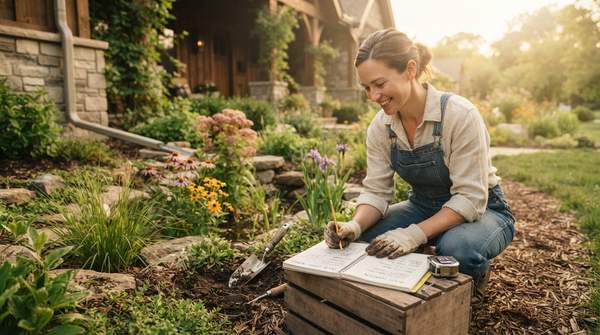
A tranquil backyard oasis showcasing a harmonious blend of natural stone pathways, wooden seating areas, and abundant, lush greenery, embodying sustainable landscaping trends.

Landscape designers are turning away from fleeting fads, instead prioritizing lasting greenery and oasis-like tranquility for homeowners. This shift reflects a move towards creating enduring outdoor spaces that offer a sense of stability and calm, rather than merely following transient decorative styles. Homeowners are now seeking designs that provide long-term value and foster personal well-being.

Homeowners previously sought diverse, often high-maintenance, aesthetic trends, but now they are oveoverwhelmingly prioritizing natural materials and lasting, calm designs.rwhelmingly prioritizing natural materials and lasting, calm designs. This marks a significant departure from past preferences, where novelty and elaborate features often took precedence over sustainability and ease of care. The collective desire for permanence and reduced upkeep now steers design choices.

The landscaping industry sees a sustained demand for sustainable, low-maintenance, and inintegrated outdoor solutions, potentially shifting focus from rapid seasonal changes to long-term ecological and personal well-being.tegrated outdoor solutions, potentially shifting focus from rapid seasonal changes to long-term ecological and personal well-being. This suggests a fundamental re-evaluation of what makes an outdoor space truly valuable. The desire for designs that seamlessly blend living and inanimate features indicates a philosophical integration of nature into daily life.

A Preference for Enduring Outdoor Spaces

The explicit desire for designs that 'seamlessly blends living and inanimate features' represents a counterintuitive finding in current landscaping trends. This goes beyond simple material preference, suggesting a philosophical shift towards integrating nature rather than merely decorating with it. Homeowners are increasingly looking for outdoor environments that feel intrinsically connected to their homes, blurring the lines between built structures and the natural world.

The collective emphasis on natural materials and lasting design signifies a deeper psychological need for permanence and reduced upkeep. It moves away from anything perceived as temporary or artificial. The focus has shifted to creating outdoor sanctuaries that provide a sense of groundedness amidst a complex world, highlighting a yearning for stability.
The New Outdoor Sanctuary: Calm, Natural, and Enduring

Natural materials, calm, oasis-like design, and lasting greenery are top priorities for landscape designers, according to House Digest designers in 2026, according to House Digest. This focus indicates a clear rejection of superficial trends in favor of designs that offer enduring appeal and functional serenity. Homeowners are making conscious, long-term investments in their outdoor spaces, viewing them as enduring assets.

Homeowners are also seeking landscaping that offers longevity and seamlessly blends living and inanimate features, House Digest reports. This combined desire suggests a profound shift from transient trends to a yearning for integrated, tranquil outdoor environments that enhance well-being. Outdoor spaces are evolving from mere decoration to essential psychological sanctuaries, reflecting a societal need for groundedness.

Embracing Authenticity: The Rise of Natural Materials

The increasing incorporation of natural materials like stone, reclaimed wood, and gravel in landscape designs underscores a commitment to authenticity. This choice reflects a deeper environmental consciousness in outdoor spaces. Homeowners are moving away from manufactured or synthetic options, opting instead for elements that resonate with the natural world and promise durability.

The trend highlights a preference for raw, tactile elements that age gracefully and require minimal intervention. The use of reclaimed wood, for example, not only offers a unique aesthetic but also speaks to a desire for sustainability and resourcefulness. These material selections contribute to creating environments that feel established and harmonious with their surroundings.

Beyond Aesthetics: A Holistic Approach to Outdoor Living

Based on House Digest's findings, homeowners are not just choosing natural aesthetics; they are actively seeking designs that offer longevity and seamlessly blend living and inanimate features, actively divesting from the cycle of fleeting design trends, instead making long-term investments in spaces that promise enduring tranquility and lower maintenance.

  • The explicit prioritization of 'lasting greenery' and 'longevity' indicates that homeowners are making conscious, long-term investments in their outdoor spaces, viewing them as enduring assets, making conscious, long-term investments in their outdoor spaces, viewing them as enduring assets rather than transient decorative elements.
  • The desire for 'calm, oasis-like design' combined with the need to 'seamlessly blend living and inanimate features' indicates a philosophical shift towards integrating nature rather than merely decorating with it.

The prioritization of 'calm, oasis-like design' and the desire to 'seamlessly blend living and inanimate features' represents a counterintuitive finding in current landscaping trends. The desire to 'seamlessly blend living and inanimate features' (House Digest) suggests that outdoor spaces are evolving from mere decoration to essential psychological sanctuaries, reflecting a societal need for groundedness and escape. Outdoor spaces are viewed less as decorative additions and more as essential psychological sanctuaries, reflecting a societal need for groundedness as essential components of a home's overall ecological and personal well-being.

Designing for Longevity and Serenity

  • Prioritize natural materials such as stone, wood, and gravel for their durability and timeless appeal.
  • Focus on low-maintenance plantings and designs that reduce the need for constant upkeep.
  • Integrate living and non-living elements to create a cohesive, oasis-like outdoor sanctuary.