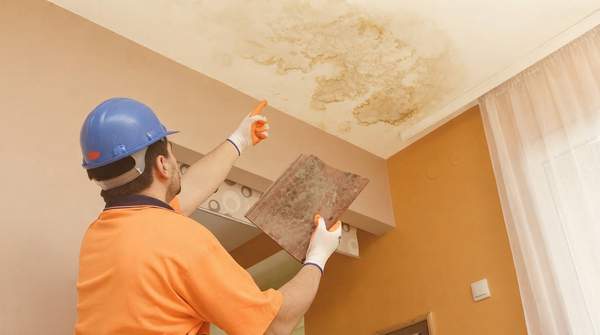
A single burst pipe can unleash thousands of dollars in water damage, transforming a minor oversight into a major financial and structural nightmare for homeowners. Such an event floods basements, damages ceilings, and ruins belongings, demanding extensive, costly repairs. Consumer Reports confirms this mess can lead to thousands in water damage, making preventative action critical.
Simple, low-cost preventative actions easily protect home plumbing, but neglecting these steps leads to thousands in damage. Many homeowners underestimate the ease and affordability of preventing such catastrophic failures, particularly when planning home plumbing exterior and landscaping winterization for 2026.
Homeowners who prioritize basic winterization steps will significantly cut their risk of costly pipe damage, saving both money and stress. Understanding the actual mechanism of pipe failure and implementing straightforward measures safeguards your property against severe cold.
Understanding the Burst: Why Freezing Pipes Cause Damage
When temperatures drop below freezing, water inside pipes expands. DCWater confirms that freezing water expands, causing pipes to break. SCFBINS further reports that if this expansion is sufficient, the pipe bursts, unleashing water and serious damage. This seemingly simple process hides a critical nuance often misunderstood by homeowners.
However, the common understanding of where a pipe breaks is often incomplete. Ice forming in a pipe does not typically cause a break at the blockage itself. Instead, SCFBINS clarifies, continued freezing and expansion downstream from the blockage increases water pressure. This immense hydraulic pressure then leads to pipe failure, often in an unfrozen section.
Understanding this nuanced mechanism—that pipes burst from downstream pressure, not direct ice blockage—reveals why simple actions like dripping faucets are not old wives' tales. They are critical pressure-relief strategies that avert disaster. These small measures prevent the dangerous pressure buildup that ruptures pipes.
Essential Steps for Protecting Your Home Plumbing
Protecting your home's plumbing begins with straightforward actions. Oatey advises setting your thermostat to at least 55° Fahrenheit to prevent freeze damage. Consumer Reports echoes this, recommending no lower than 55° F if you are away. This consistent indoor warmth is crucial; it ensures interior pipes remain above freezing, preventing the dangerous expansion that leads to bursts.
For exterior plumbing, proactive measures are key. DCWater recommends removing, draining, and storing garden hoses before cold weather. This simple step eliminates water that could freeze and expand inside the hose or its connection, a common oversight that leads to outdoor faucet damage.
Furthermore, DCWater states, close inside valves supplying water to outside hose attachments. Then, open the outside hose bibs to allow water to drain and expand without breaking the pipe. This ensures residual water in outdoor lines escapes, preventing pressure buildup and potential bursts. Neglecting these seemingly minor actions can lead to costly replacements of entire outdoor spigots and their supply lines.
Hidden Vulnerabilities: Don't Get Caught Off Guard
Even in regions not traditionally known for harsh winters, specific vulnerabilities lead to unexpected pipe damage. SCFBINS notes that in southern climates, water pipes are often more vulnerable. This is due to their location outside building insulation and homeowners' lower awareness of freezing problems. This combination of inadequate protection and unpreparedness means a sudden cold snap can cause significant damage.
Homeowners in typically warmer regions face a unique risk. Infrastructure design and a lack of preparedness for unexpected cold snaps leave their pipes less protected against freezing temperatures. This makes them disproportionately susceptible to catastrophic, preventable water damage. Universal awareness of winterization practices is thus critical, regardless of typical climate.
Advanced Protection: Extra Measures for Extreme Cold
During periods of severe cold, additional precautions provide crucial protection. DCWater advises letting cold water drip from faucets served by exposed pipes. This constant, slow movement prevents ice from forming and building pressure within the pipes, a simple yet effective safeguard against rupture.
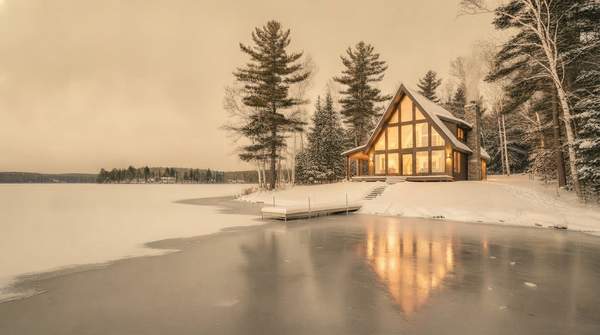
For specific fixtures that might be drained, such as those in a vacant cabin or rarely used outdoor toilets, consider specialized solutions. Oatey suggests pouring an environmentally safe antifreeze into your toilet bowl and tank. This keeps flappers and seals lubricated, preventing dry rot. Such targeted actions extend protection beyond basic winterization, safeguarding specific plumbing components and ensuring comprehensive exterior and landscaping winterization even in the harshest conditions.
Common Questions: Is DIY Winterization Worth It?
What are the most important steps to winterize outdoor plumbing?
Beyond draining garden hoses and closing supply valves, insulating outdoor pipes with foam covers or heat tape offers additional protection. This targeted insulation prevents cold air from reaching vulnerable sections. It is especially critical for pipes on exterior walls or in unheated spaces like crawl spaces, where exposure is highest.
How much does DIY winterization typically cost?
DIY winterization for your home's plumbing systems generally costs between $50 and $200 for essential materials. Fuseservice confirms this budget covers items like foam pipe insulation, outdoor faucet covers, and heat tape for exposed lines. This minimal investment provides substantial protection, dwarfing the cost of potential repair expenses.
The Bottom Line: Protect Your Home, Save Your Wallet
As climate patterns shift and unexpected cold snaps become more frequent, proactive winterization, costing a mere $50-$200 for materials, will likely become an indispensable annual ritual for homeowners, safeguarding against potentially devastating financial losses.