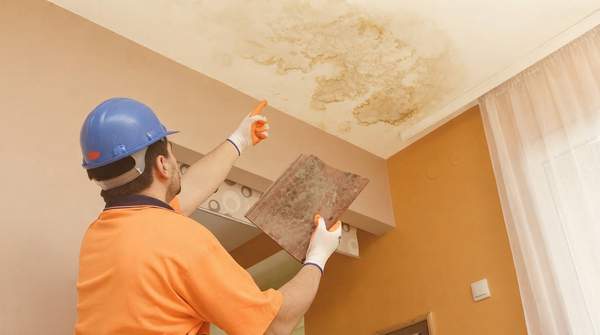
When unprotected waterlines endure freezing temperatures for several hours, the water inside freezes, expands, and can crack or split pipes, leading to substantial water damage upon thawing, according to Extension. This damage often goes unnoticed until warmer temperatures return, allowing water to flow freely from ruptured pipes into homes, resulting in costly repairs and extensive structural issues. By the time a homeowner discovers a burst pipe, the water damage has likely accumulated silently for hours, if not days, due to its insidious nature.
Many homeowners underestimate the risk of winter plumbing damage, but simple, inexpensive preventative actions can avert catastrophic and costly failures. The common advice to simply 'keep the heat on' is insufficient for truly protecting unattended homes; a more robust strategy involving water shut-off and system drainage is necessary to prevent catastrophic failure.
Homeowners who invest a small amount of time and effort in winterizing their plumbing systems will avoid significant financial and emotional distress when cold weather strikes.
Understanding Why Pipes Burst
A fundamental physical process leads to pipe damage during winter: freezing water expands, increasing pressure against the inside of the pipe until it exceeds the pipe's strength, causing a rupture, according to Envistaforensics. This expansion can generate thousands of pounds of pressure per square inch, far exceeding the capacity of most residential plumbing materials. This explains why even small temperature drops can lead to catastrophic plumbing failures, turning a minor oversight into a major disaster. The critical moment of plumbing failure is not the freeze itself, but the subsequent thaw, leaving homeowners unaware of damage until it is too late. This delay in detection often leads to prolonged water exposure, exacerbating property damage. Proactive measures, therefore, focus on preventing the initial freeze and managing water flow to minimize impact.
Daily Steps to Prevent Plumbing Freezing
Homeowners can implement several ongoing actions to protect plumbing in occupied homes. Envistaforensics advises sealing air penetrations, maintaining indoor temperatures above freezing, opening cabinets with pipes, disconnecting outdoor hoses, and insulating susceptible piping. These measures create a layered defense, addressing both external vulnerabilities and internal temperature regulation. For homeowners not draining their water pipes, Travelers recommends keeping the furnace running and setting the temperature at 55°F or higher. These combined steps offer a robust, continuous defense against common winter plumbing damage, ensuring pipes remain intact through cold spells.
Setting Thermostats for Winter Protection
For homeowners planning to be away during cold weather, Consumer Reports commonly recommends leaving the heat on and setting the thermostat to no lower than 55°F. This provides baseline protection against freezing temperatures within the home. However, this strategy alone often proves insufficient for unattended properties, especially during prolonged or severe cold snaps. While maintaining a minimum indoor temperature offers a simple safeguard for short absences, its limitations are significant. Homeowners who believe this alone protects an unattended property are dangerously misinformed; true catastrophe prevention demands actively shutting off and draining the water system. This distinction is critical for comprehensive home plumbing system protection.
Protecting Plumbing During Extended Vacancy
For homeowners leaving a property unattended during winter, a more aggressive approach than simply maintaining a minimum temperature is necessary. Extension states that it is best to turn off the water, shut down the water heater, and drain the plumbing system, while keeping the furnace on with the thermostat set near 50 degrees. This comprehensive strategy eliminates the water within the pipes, removing the primary element that can cause damage through freezing and expansion.
This advice conflicts with the recommendations from Travelers and Consumer Reports that suggest only leaving the heat on at 55°F or higher for absences. The discrepancy highlights varying levels of risk tolerance and the need for homeowners to assess their specific situation. For unoccupied homes, a more aggressive and comprehensive approach to water management is crucial to mitigate the risk of severe damage from unforeseen pipe failures, especially when no one is present to monitor the property.
Frequently Asked Questions on Winter Plumbing
Can I winterize my plumbing system myself?
Yes, many preventative steps for winterizing a plumbing system are manageable DIY tasks for homeowners. Insulating exposed pipes, sealing air gaps around foundations, and properly draining outdoor faucets are examples of actions easily completed without professional help. However, for complex systems or concerns about ensuring complete drainage for extended absences, consulting a plumbing professional might be beneficial to ensure thorough protection.
What is the most common time for frozen pipe damage to occur?
The actual damage from frozen pipes occurs during the thaw, not the initial freeze. Homeowners often discover the problem only when temperatures rise and water flows from ruptured pipes, potentially after hours or days of accumulation. This insidious delay means proactive prevention is critical.
How can I mitigate damage if a pipe bursts while I am away?
Turning off the main water supply to your home before an extended absence is a critical step to prevent significant water damage if a pipe bursts or leaks, according to Travelers. This proactive measure can drastically reduce the financial impact of a plumbing emergency by limiting the amount of water released into the property, even if a pipe ruptures.
Are Pipe Heat Cables a Reliable Solution?
For areas where traditional insulation is impractical, electrical heat cables designed for pipes offer a targeted solution. However, these cables are not a primary choice for comprehensive winterization and may not prevent freezing if electricity is off for extended periods, notes Extension. Their effectiveness is entirely dependent on a continuous power supply, making them unreliable during outages, which can coincide with severe weather.
While heat cables offer a targeted solution for hard-to-insulate areas, their effectiveness is limited by power reliability, and they should not be considered a primary defense against widespread freezing. Homeowners should prioritize passive measures like insulation and active water management, reserving heat cables for specific, high-risk points. For instance, ensuring proper pipe insulation and drainage remains the most robust strategy for homeowners looking to prevent costly damage in 2026.