If your sump pump fails, it can lead to basement flooding and costly water damage repairs, according to Anytimehvac. A single point of failure (like a sump pump) can lead to extensive water damage if a home is not properly prepared for cold weather. A basement filled with freezing water can destroy foundations, electrical systems, and personal belongings, leading to repair bills that often climb into the tens of thousands of dollars.
Many homeowners believe that preparing their home's plumbing and HVAC systems for winter 2026 is a complex, expensive task. However, simple, inexpensive preventative steps can avert catastrophic and costly damage. The perceived difficulty often deters homeowners from taking action, leaving their properties vulnerable to the severe impacts of freezing temperatures.
Homeowners who invest minimal effort in preventative winterization measures are likely to save significant money and stress compared to those who react only after damage occurs. Ignoring a handful of simple, inexpensive winterization steps almost guarantees homeowners will face thousands in avoidable cold-weather damage, turning minor oversight into major financial pain.
Most cold-weather damage is preventable, often stemming from homeowner oversight rather than unavoidable acts of nature. Simple, low-cost preventative measures, such as insulating pipes and sealing leaks, can make a substantial difference. While many preventative steps are suitable for DIY, critical infrastructure like sprinkler systems often require professional intervention, highlighting a hybrid approach to comprehensive winterization.
The primary financial risk from cold weather damage stems from water-related issues, including burst pipes and basement flooding. Plumbing and water systems are the most vulnerable and costly areas if neglected. Homeowners who neglect basic, inexpensive winterization tasks like insulating pipes or sealing air leaks are effectively gambling with their finances, risking thousands in avoidable water damage for the sake of a few hours of preventative effort.
Essential Steps to Protect Your Plumbing
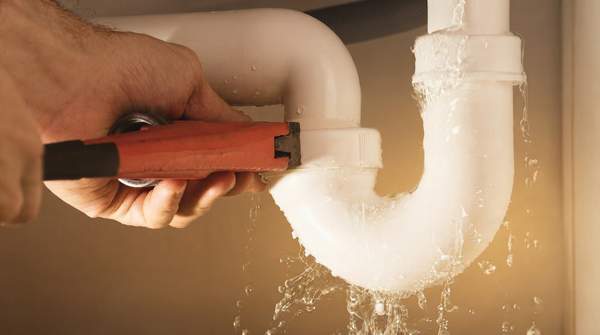
Insulating pipes, especially in unheated spaces like crawl spaces or basements, prevents freezing. Homeowners should use insulation tubes designed for pipes to ensure adequate protection, according to Spotsylvania County, VA. Insulating pipes creates a thermal barrier, keeping water temperatures above freezing.
Disconnecting and storing garden hoses is another critical step, as lingering water can freeze and expand, damaging both the hose and the spigot. Spotsylvania County also advises considering upgrades to frost-free hose bibs and installing covers for external faucets. These measures prevent residual water from freezing and cracking outdoor plumbing.
Turning off and draining sprinkler systems is vital to prevent internal damage. For comprehensive protection, homeowners should consider hiring a professional to blow out any remaining water from the lines. This ensures no water is left to freeze and rupture the system, which can be an expensive repair.
Homeowners frequently overlook the catastrophic potential of a single point of failure, such as a neglected sump pump. Even diligent homeowners must identify and address critical vulnerabilities (like a neglected sump pump) to truly safeguard their homes against winter's wrath. Relying solely on DIY methods without professional assessment for complex systems can leave homes exposed.
Many homeowners face significant financial risks by delaying or ignoring winterization. The cost of repairing burst pipes or a flooded basement far exceeds the minimal investment in preventative measures. A reactive approach to winterization often leads to emergency repairs and substantial property damage, showing the high price of inaction.
Beyond the Basics: Smart Preparations and Emergency Readiness
Sealing air leaks around doors, windows, exterior wall sockets, electrical wiring, and plumbing prevents cold air from infiltrating the home. This crucial step, recommended by Spotsylvania County, stops cold drafts from reaching and freezing vulnerable pipes. Effective sealing helps maintain a consistent indoor temperature, reducing the strain on heating systems.
Locating and marking your main water shut-off valve is a critical, yet often overlooked, preventative measure. This allows homeowners to quickly turn off the water supply in case of a burst pipe, minimizing potential damage. Knowing this location can save thousands of dollars by preventing extensive flooding when a pipe fails.
Proactive sealing and knowing your emergency shut-off are crucial secondary defenses. These actions can prevent cold air from reaching vulnerable pipes and significantly minimize damage if a freeze occurs. Addressing these broad home sealing and emergency preparedness tasks helps fortify the entire home against winter's challenges.
What are the most important steps to winterize a house?
The most important steps include insulating pipes in unheated areas, disconnecting and storing garden hoses, and draining sprinkler systems. Additionally, sealing air leaks around windows and doors prevents cold air intrusion, according to Bataviail. These measures directly address common vulnerabilities to freezing temperatures.
How do I protect my pipes from freezing in winter 2026?
To protect pipes, ensure they are properly insulated, especially those near exterior walls or in unheated spaces. Disconnect outdoor hoses and consider keeping cabinet doors under sinks open during extreme cold to allow warmer air circulation, suggests Tingfire. This helps prevent water inside the pipes from reaching freezing temperatures.
What is the best way to prepare my HVAC system for winter?
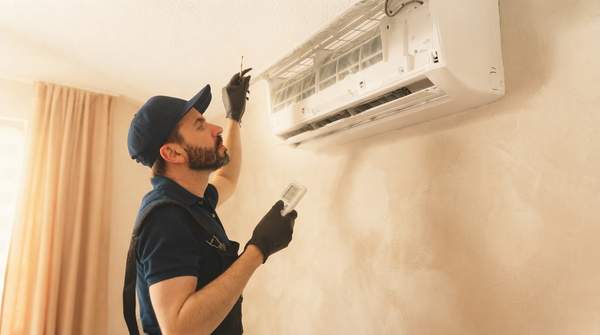
The best way to prepare your HVAC system for winter involves scheduling a professional inspection to ensure it operates efficiently. Replace air filters regularly and clear any debris from outdoor units. This proactive maintenance optimizes performance and identifies potential issues before cold weather arrives.
Investing in Prevention: The Long-Term Value of Maintenance
Maintenance plans offer one free plumbing service call or inspection annually, 15% off plumbing repairs, and 5% off equipment replacements, according to Anytimehvac. These plans provide consistent oversight, helping to identify and address potential issues before they escalate into costly emergencies. Proactive maintenance ensures systems are always operating efficiently and safely.
Engaging with professional maintenance plans provides ongoing protection and significant cost savings. Engaging with professional maintenance plans transforms reactive repairs into proactive, budget-friendly care. Homeowners benefit from peace of mind, knowing their critical home systems are regularly checked and maintained by experts.
The long-term value of investing in preventative maintenance far outweighs the immediate costs. By Q4 2026, homeowners who have consistently followed a maintenance plan will likely see fewer emergency repairs and extended equipment lifespans compared to those who only react to failures.