A neglected dryer vent, often seen as a minor chore, causes over 15,000 house fires annually in the U.S. costing millions in damages and endangering lives. Over 15,000 house fires annually in the U.S. reveal a widespread underestimation of fire risk. Homeowners often prioritize immediate comfort or cost savings, but deferring routine maintenance inevitably leads to greater expenses and risks. The sheer volume of dryer vent fires proves this direct link between minor neglect and serious danger.
Therefore, homeowners who adopt a consistent seasonal maintenance schedule are likely to experience fewer unexpected costs and a safer living environment. Preparing for seasonal changes in 2026 requires understanding these long-term benefits. For more, see our How Seasonal Home Maintenance Protects.
Why Seasonal Home Prep Matters More Than You Think
Regular home maintenance in 2026 preserves a home's value, improves efficiency, and ensures occupant well-being. A well-maintained property commands higher resale value, demonstrating consistent care. Regular home maintenance prevents minor issues from escalating into expensive repairs and safeguards structural integrity. Consistent upkeep also reduces energy consumption; properly functioning systems, from HVAC to insulation, operate more efficiently, leading to lower utility bills. Addressing potential hazards before they manifest contributes significantly to safety, preventing unexpected breakdowns and extending the lifespan of major home systems.
Your Essential Seasonal Maintenance Checklist
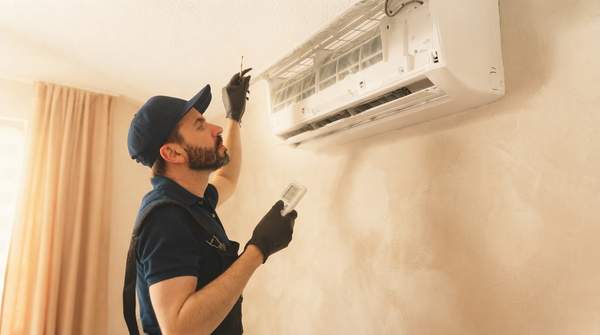
For optimal home performance, homeowners should perform an HVAC checkup, according to HSH. An HVAC checkup ensures all heating and cooling components function correctly before temperature extremes. The National Association of Home Builders (NAHB) specifically recommends changing air filters at least once every three months. While HSH offers broader recommendations, the NAHB's specific guidance on filter frequency implies even 'proactive' homeowners might miss optimal timing, leading to gradual system degradation and higher energy bills. The recommendations from HSH and NAHB on HVAC maintenance show that what homeowners see as a periodic chore is a continuous investment in energy efficiency and system longevity. Deferred maintenance guarantees higher utility bills and premature equipment failure.
The Hidden Costs of Neglect
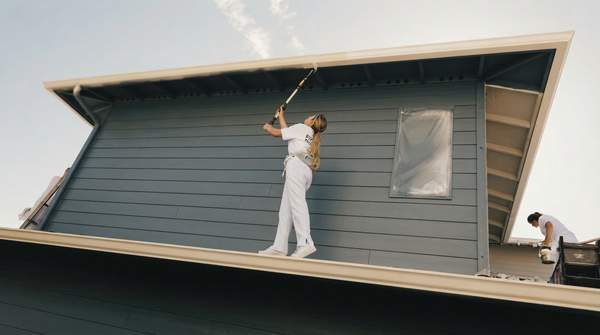
Skipping routine home maintenance saves little in the short term but leads to significantly higher repair bills and safety risks. A clogged gutter system, for instance, can cause water to back up and damage roofing, fascia, and foundation, leading to structural issues far more expensive than a simple cleaning. These problems often manifest unexpectedly, creating substantial financial strain. Beyond direct repair costs, neglected maintenance also reduces a home's energy efficiency. An unserviced HVAC system consumes more energy, increasing monthly utility expenses. Homeowners who defer minor seasonal tasks unknowingly trade immediate, negligible savings for a guaranteed future of significant financial loss and preventable safety hazards. This short-sightedness diminishes a home's overall value and comfort.
Beyond the Basics: Smart Maintenance Habits
Beyond routine checks, homeowners must prioritize critical safety device maintenance. The NAHB states that batteries in smoke and carbon monoxide detectors should be checked twice a year, and the detectors themselves replaced every 10 years. The NAHB's guidance on checking batteries twice a year and replacing detectors every 10 years shows a "set it and forget it" mentality towards critical safety devices creates a dangerous illusion of security, leaving families vulnerable to silent threats. Another crucial, often overlooked task is dryer vent cleaning. In warm weather, homeowners should ensure the air conditioning system works properly and clean the dryer vent to prevent fire hazards, according to the NAHB. Incorporating these safety and efficiency checks prevents common household emergencies and extends appliance life, significantly reducing the risk of fire and carbon monoxide poisoning.
Common Questions About Home Preparedness
How can I protect my home from extreme weather?
Protecting your home from extreme weather means securing the exterior. Inspect your roof for loose or damaged shingles, clear gutters and downspouts of debris, and check window and door seals for drafts. Trim tree branches near your home to prevent damage during high winds or heavy snowfall.
What should I do to my house before winter 2026?
Before winter 2026, insulate pipes in unheated areas to prevent freezing. Have your furnace professionally inspected for efficient and safe operation. Seal any cracks or gaps around exterior penetrations to minimize heat loss and prevent pests. Mr. Handyman offers seasonal home maintenance checklists that include winterizing tasks.
What are the best ways to prepare my home for spring?
Preparing your home for spring involves cleaning up after winter and focusing on exterior maintenance. Clear remaining debris from gutters, inspect your roof for any winter damage, and check your foundation for cracks. Get a professional tune-up for your lawnmower and other garden equipment, and wash the exterior to remove winter grime.
By Q3 2026, homeowners diligently following seasonal maintenance guidelines, like those from the NAHB, will likely see their homes retain greater value and face fewer emergency repairs, potentially saving thousands compared to those who neglected upkeep.