How Does Preventative Home Maintenance Save You Money?

A simple, often-forgotten task like cleaning a faucet's aerator every three to four months can prevent significant plumbing headaches and water damage.

ER
Ethan Rowe

April 16, 2026 · 3 min read

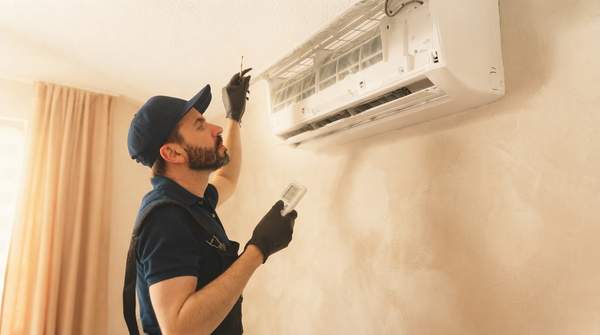
Split image contrasting a homeowner performing simple preventative maintenance with a plumber fixing a costly water damage repair, highlighting the financial benefits of upkeep.

A simple, often-forgotten task like cleaning a faucet's aerator every three to four months can prevent significant plumbing headaches and water damage. This NAHB-recommended effort directly addresses potential clogs and mineral buildup before they escalate into costly repairs. Diligent preventative home maintenance minimizes future expenses.

Many homeowners perceive preventative maintenance as an optional chore, but it is a fundamental strategy for financial savings and home longevity. This common oversight often leads to a cycle of reactive, expensive fixes rather than proactive, affordable upkeep.

Homeowners who systematically integrate routine upkeep into their schedules are likely to experience substantial financial benefits and a more secure living environment, while those who don't will face increasing risks and expenses.

The Unseen Returns of Routine Upkeep

Regular home maintenance prevents costly repairs, according to Martinlark. This consistent attention enhances your living environment and can impact insurance premiums. Regular home maintenance safeguards finances, improves daily life, and protects against unforeseen liabilities.

Martinlark's insight that regular maintenance impacts insurance premiums, combined with NAHB's specific task frequencies, means neglecting home upkeep isn't just about future repair bills; it means paying higher premiums today for risks simple, consistent action could mitigate.

Your Essential Preventative Maintenance Checklist

Changing air filters in HVAC systems should be done at least once every three months, advises the NAHB. This improves air quality and maintains system efficiency, preventing strain on your heating and cooling units. Batteries in smoke and carbon monoxide detectors require checking twice a year. These safety devices should also be replaced every 10 years, according to the NAHB. For structural integrity, a qualified roofer should inspect a roof every three years to catch minor issues before they become major leaks. A simple, scheduled checklist for these critical areas extends the life of major home systems, ensures occupant safety, and maintains structural integrity.
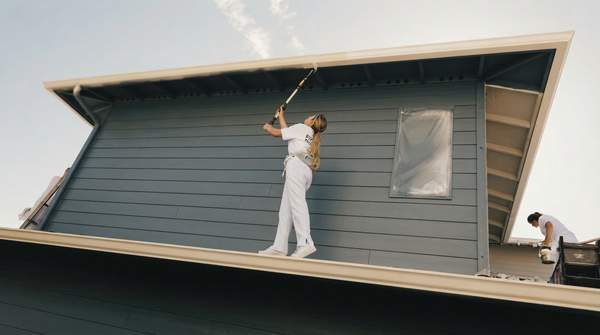

The gap between a smoke detector's 10-year lifespan and its twice-yearly battery check, as outlined by NAHB, suggests companies selling long-lasting safety devices must also emphasize the critical, ongoing human element, or risk their products being rendered useless by homeowner complacency.

Overlooking Key Maintenance: The Costly Consequences

Neglecting frequent, simple tasks like cleaning a faucet aerator leads to disproportionately expensive and complex issues. Homeowners are trading minutes of effort for potentially thousands in avoided plumbing repairs and water damage, a financial equation few fully grasp, based on NAHB's recommendations.

The true financial penalty of neglected maintenance extends beyond direct repair costs, according to SnydersLawnCare. It includes higher insurance premiums and diminished property value. This means a hidden financial drain most homeowners overlook, stemming from a failure to connect specific, actionable maintenance tasks with their broader financial leverage and systemic benefits.

Making Preventative Maintenance Manageable

Developing a consistent maintenance schedule is crucial for long-term home health. Break down larger tasks into smaller steps to prevent overwhelm. Dedicate specific weekends each season to outdoor tasks like gutter cleaning or checking exterior caulk around windows. Use digital reminders or a simple spreadsheet to track routine checks. This proactive approach ensures essential preventative home maintenance tasks are completed on time, avoiding last-minute emergencies. A structured approach ensures tasks are completed, preventing emergencies and protecting your investment from avoidable deterioration.

What are the most important home maintenance tasks?

Focus on tasks that impact safety and major systems. Regularly checking and replacing batteries in smoke and carbon monoxide detectors, and inspecting your roof every three years, are critical. Annual gutter cleaning prevents water damage, a common issue leading to significant structural problems.

How often should I perform home maintenance?

Maintenance frequency varies by task, but establish a seasonal checklist. For example, change HVAC filters quarterly, check detector batteries semi-annually, and inspect major appliances and plumbing fixtures every six months. Exterior elements like siding and foundations benefit from annual visual inspections.

What are common home maintenance mistakes?

Procrastination is one common mistake, allowing small issues to worsen into major, expensive problems. Another error: attempting complex repairs without the necessary skills or tools, often leading to further damage. Ignoring manufacturer recommendations for appliance servicing also contributes to premature failures.

By Q4 2026, homeowners who prioritize routine upkeep will likely see measurable returns in property value and reduced unexpected expenses, according to financial projections related to property longevity.