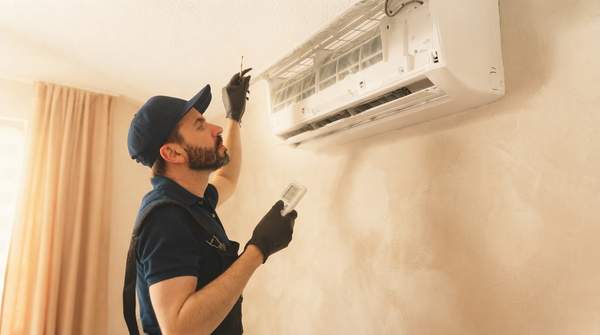
Your home’s HVAC system is often its single largest energy consumer, quietly working day and night to keep you warm in winter and cool in summer. Understanding this complex machinery is essential knowledge for any homeowner. It allows them to save money, improve comfort, and protect a significant investment.
Northwest Plumbing, Heating & AC recently launched an educational video series to help homeowners understand HVAC maintenance and inspection, aiming to empower people with knowledge before small issues become costly emergencies, according to a press release on courier-journal.com. Your heating, ventilation, and air conditioning (HVAC) system is fundamental to your home's livability, yet it often remains a mystery until something goes wrong. This guide will demystify your HVAC system, giving you confidence to manage its performance and care.
What Is an HVAC System and Its Main Components?
An HVAC system is a building mechanical system designed to provide thermal comfort for occupants and maintain good indoor air quality through ventilation and filtration. Think of it as your home's respiratory system. It breathes in outside air, conditions it by heating or cooling, circulates it throughout the house, and exhales stale, indoor air. This process not only controls the temperature but also removes moisture, allergens, and pollutants, making your home a healthier place to live.
The term "HVAC" represents three distinct but interconnected functions. To truly understand the system, homeowners need to know its core parts. Most residential systems are comprised of the following key components:
- Heating: This is typically a furnace or a heat pump. A furnace generates heat by burning fuel (like natural gas or oil) or using electric resistance coils. A heat pump works differently, by extracting heat from the outside air (even when it’s cold) and transferring it inside.
- Ventilation: This is the network that moves air throughout your home, consisting of ductwork and vents. It's responsible for circulating the conditioned air from the furnace or air conditioner to every room and returning it to the system to be re-conditioned. It also plays a role in exhausting stale air and bringing in fresh air from outside.
- Air Conditioning (Cooling): The "AC" part of the system cools your home by removing heat and humidity from the indoor air. It uses a chemical refrigerant to absorb heat from your indoor air and transfer it outside. The main components are the indoor evaporator coil and the outdoor condenser unit.
- Thermostat: This is the command center. The thermostat monitors the temperature inside your home and signals the HVAC system to turn on or off to maintain your desired temperature settings. Modern smart thermostats can learn your habits and optimize performance for energy savings.
How Does a Home HVAC System Operate?
Your HVAC system operates in a continuous cycle to maintain a consistent indoor environment. The fundamental process involves moving air and transferring heat. Air conditioning, for example, removes heat rather than creating "cold." Similarly, a heat pump moves heat from one place to another, rather than generating it.
The operations of an HVAC system depend on its type. According to research published by IntechOpen, HVAC systems are broadly classified into two categories: central and local systems. A central system is typically located away from main living areas, such as in a basement or utility closet, and uses a network of ducts to distribute conditioned air. A local system, like a ductless mini-split or a window unit, is located within or adjacent to the specific zone it conditions and does not require ductwork.
For most homes with a central system, the process works like this:
The Heating Cycle (Furnace)
- You set a desired temperature on your thermostat. When the indoor temperature drops below that setting, the thermostat signals the furnace to turn on.
- The furnace ignites its burners to generate heat inside a component called the heat exchanger.
- The system's blower fan kicks on, drawing cooler air from your home through the return vents.
- This air passes over the hot heat exchanger, warming it up rapidly.
- The blower then pushes the newly warmed air through the ductwork and out of the supply vents in each room, raising the home's temperature.
- This cycle continues until the thermostat registers that your set temperature has been reached, at which point it signals the furnace to shut off.
The Cooling Cycle (Central Air Conditioner)
- When your home gets warmer than the thermostat's set point, it signals the air conditioning system to start.
- Inside your home, the blower fan draws warm indoor air through the return vents and passes it over the cold evaporator coil.
- A special fluid called refrigerant flows through the evaporator coil, absorbing heat and moisture from the air. This process cools the air and dehumidifies it.
- The blower then pushes this cool, dry air through the ducts and into your rooms.
- Meanwhile, the now-warm refrigerant is pumped to the outdoor condenser unit. A fan in this unit blows air across the condenser coils, releasing the absorbed heat into the outside air.
- The cooled refrigerant then cycles back inside to the evaporator coil to repeat the process.
Ventilation is a crucial part of both cycles. The U.S. Environmental Protection Agency (EPA) notes that good indoor air quality relies on adequate ventilation, often guided by standards like ASHRAE 62.1-2010. While your HVAC system provides mechanical ventilation, the EPA also suggests that natural ventilation, such as opening windows when outdoor conditions permit, can be an effective and energy-efficient way to supplement your system.
Common HVAC Problems Homeowners Face
Even a well-designed HVAC system can run into trouble, with most problems stemming from a lack of maintenance, mechanical wear, or electrical issues. Understanding these common points of failure can help homeowners troubleshoot minor issues and know when to call a professional.
- Dirty Air Filters: This is by far the most common cause of HVAC problems. A clogged filter restricts airflow, forcing the system to work much harder to circulate air. This leads to reduced efficiency, higher energy bills, and can even cause the system to overheat and shut down or the AC coils to freeze over.
- Thermostat Malfunctions: Sometimes the problem isn't the main unit but its brain. A faulty thermostat can lead to erratic cycling (turning on and off frequently), no heating or cooling, or a fan that won't shut off. This could be due to old batteries, incorrect settings, or a wiring issue.
- Clogged Drain Lines: During the cooling process, your air conditioner removes a significant amount of moisture from the air. This condensation collects in a drain pan and flows out through a drain line. If this line becomes clogged with algae or debris, the water can back up and cause significant water damage to your home.
- Mechanical Wear and Tear: Over time, moving parts like motors, belts, and bearings can wear out. You might notice strange noises like squealing, grinding, or clanking. These sounds are a clear signal that a component is failing and requires immediate attention to prevent more extensive damage.
- Refrigerant Leaks: If your air conditioner is blowing warm air or not cooling as effectively as it used to, it could be low on refrigerant. Refrigerant operates in a closed loop, so low levels almost always indicate a leak. This not only hurts performance but can also damage the compressor, the most expensive part of the AC unit.
Essential HVAC Preventative Maintenance Tips
Consistent preventative maintenance is key to ensuring your HVAC system's efficiency and longevity. According to industry data cited by courier-journal.com, proper maintenance can extend system life and significantly reduce energy consumption. Homeowners don't need to be experts to perform basic tasks that keep the system healthy; however, an annual professional tune-up is a worthwhile investment for more complex jobs.
1. Change Your Air Filters RegularlyLocate your filter, typically found in the return air duct or a slot on the indoor air handler unit. Check it monthly and replace it when it becomes visibly dirty. A good rule of thumb is replacement every 1-3 months, but homes with pets or occupants with allergies may need more frequent changes.
2. Keep the Outdoor Unit ClearYour outdoor condenser unit needs to breathe freely. Maintain at least two feet of clear space around the entire unit, trimming back any encroaching shrubs, weeds, or overhanging branches. Periodically, use a garden hose on a gentle setting to spray down the fins, removing accumulated dirt, dust, and debris like cottonwood fluff or grass clippings.
3. Clean Vents and Registers Check your home's supply and return air vents; ensure no furniture, rugs, or drapes block them. Vacuum dust and debris from register covers with a brush attachment for unobstructed airflow into each room.
4. Schedule Annual Professional Tune-UpsWhile DIY tasks are crucial, they can't replace a professional inspection. You should have your heating system checked in the fall and your air conditioning system checked in the spring. An article on knoxnews.com suggests that spring is the best time for AC maintenance to catch issues before the summer heat arrives. A technician will perform a deep clean, lubricate moving parts, check electrical connections, test safety controls, and measure refrigerant levels.
- Cost Breakdown: A one-time tune-up can cost between $100 and $300. Many companies offer annual service agreements that can make this more affordable. For instance, the Northwest Plumbing, Heating & AC press release mentions their Service Partner Agreements start at $99 annually.
- Tool Recommendations: For DIY tasks, you'll only need basic tools: a screwdriver for vent covers, a shop vacuum, and a good pair of work gloves.
- Safety Tip: Before performing any cleaning or maintenance on your indoor or outdoor units, always shut off the power at the main electrical panel or the disconnect switch located near the outdoor unit. This is a critical step to prevent electrical shock or injury.
Frequently Asked Questions
How often should I service my HVAC system?
Have your HVAC system professionally serviced annually. For optimal performance, inspect the heating system in fall before use and the air conditioning system in spring before summer heat.
What is the average lifespan of an HVAC system?
An HVAC system's lifespan varies by component and maintenance: a furnace typically lasts 15 to 25 years, and a central air conditioner 10 to 15 years. Regular, professional maintenance is key to maximizing equipment lifespan.
Can I do HVAC maintenance myself?
Homeowners can perform basic maintenance like regularly changing air filters, cleaning registers and vents, and clearing debris around the outdoor unit. For safety, qualified and licensed HVAC professionals must handle tasks involving electrical components, refrigerant, or gas lines.
The Bottom Line
Your HVAC system is a complex and vital part of your home, responsible for your comfort, air quality, and a large portion of your utility bills. By understanding its fundamental components and how it operates, you are better equipped to identify problems and perform the essential maintenance it needs. A little bit of attention goes a long way—prioritize regular filter changes and an annual professional tune-up to keep your system running efficiently and reliably for years to come.