Neglecting routine home upkeep can lead to a significant loss of equity and emergency repair costs that far exceed preventative measures. Homeowners often perceive maintenance as a minor chore, yet this oversight directly causes major financial losses and safety risks. Adopting a consistent maintenance schedule yields substantial long-term financial benefits and enhanced safety, while deferring it risks significant unforeseen expenses and property devaluation.
Following a comprehensive spring home maintenance checklist helps homeowners identify potential issues early, maintain property value, and avoid hazardous situations, according to Goroofguys. This proactive stance converts potential problems into manageable tasks, ensuring long-term home health and financial stability.
The Hidden Costs of Neglect
- Loss of Equity — Skipping routine upkeep leads to higher emergency repair costs and loss of equity, according to Opendoor. Homeowners effectively pay a 'neglect tax' on their property. Immediate savings from deferring maintenance are quickly dwarfed by future, unavoidable expenses and a depreciated asset.
Your Essential Home Maintenance Checklist
Adhering to simple schedules for critical home systems prevents major malfunctions, ensures safety, and extends the lifespan of expensive components.
1. HVAC Filters: Check and Replace
Best for: Maintaining air quality and system efficiency
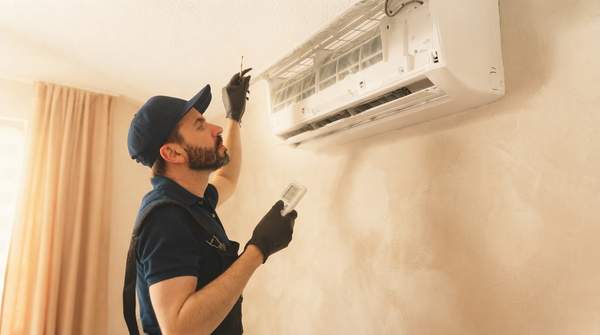
HVAC filters need monthly checks and at least quarterly replacement, as recommended by Opendoor and the National Association of Home Builders (NAHB). This prevents costly system breakdowns and improves indoor air quality, though consistent monitoring is required. Spring is an ideal time for this task.
2. Smoke and Carbon Monoxide Detectors: Replacement
Best for: Ensuring critical safety infrastructure
Replace smoke detector units every 10 years, according to the manufacturer's recommendation. This ensures internal sensors remain functional and reliable, preventing device failure and ensuring long-term safety. Tracking the replacement date is crucial.
3. Smoke and Carbon Monoxide Detectors: Testing
Best for: Verifying immediate operational readiness
Test smoke and carbon monoxide detectors monthly to verify immediate operational readiness, as recommended by Opendoor. This confirms battery and sensor function, providing immediate peace of mind. Spring is an ideal time for this check.
4. Chimney and Fireplace Inspection
Best for: Preventing fire hazards and ensuring safe operation
Have a CSIA-Certified chimney sweep inspect chimneys and fireplaces annually, as recommended by the NAHB. This prevents creosote buildup and structural issues, mitigating fire risk and maintaining heating efficiency, though it requires professional service.
5. Dryer Vents: Cleaning
Best for: Preventing fire hazards and improving dryer efficiency
Clean dryer vents every six to 12 months. This reduces lint buildup, which poses a fire risk and hinders appliance performance, ultimately lowering energy consumption. This task is often overlooked and can be difficult to access.
6. Smoke and Carbon Monoxide Detectors: Battery Check
Best for: Ensuring continuous device functionality
Check batteries in smoke and carbon monoxide detectors twice a year, according to the manufacturer's recommendation. This quick, easy check guarantees device readiness and ensures operation during power outages, though it requires consistent scheduling.
7. Gutters, Siding, and Exterior Fixtures: Cleaning and Inspection
Best for: Preventing water damage and preserving curb appeal
Clean and inspect gutters, siding, and exterior fixtures annually, ideally in spring. This prevents water intrusion and maintains the home's structural integrity, protecting against water damage and enhancing aesthetic appeal. This task can be physically demanding and requires ladder use.
8. Windows and Doors: Inspection and Repair
Best for: Improving energy efficiency and security
Inspect and repair windows and doors annually, ideally in spring. This addresses drafts, leaks, and potential security vulnerabilities, reducing energy costs and enhancing home security. Complex repairs may require professional help.
The Value of Vigilance
Investing time and minor costs in regular maintenance significantly outweighs the potential for catastrophic expenses and property devaluation that often arise from neglect.
| Aspect | Proactive Maintenance | Reactive Neglect |
|---|---|---|
| Cost Implications | Planned, lower expenses; long-term savings | Unpredictable, high emergency costs; potential for debt |
| Property Value | Preserves and enhances equity; attractive to buyers | Loss of equity; reduces market appeal |
| Safety & Comfort | Reduces hazards; ensures functional systems | Increased risks; system failures, discomfort |
| Longevity of Systems | Extends lifespan of appliances and structures | Premature component failure; frequent replacements |
| Time & Effort | Scheduled, manageable tasks | Urgent, disruptive, time-consuming repairs |
Your Home, Your Investment
Viewing home maintenance as a continuous investment, not a chore, ensures immediate comfort and lasting financial security. If homeowners consistently apply the proactive strategies recommended by Goroofguys and heed Opendoor's warnings about equity loss, they will likely avoid the significant financial drain of emergency repairs and preserve their property's value for years to come.
Common Maintenance Questions
What are the most important home maintenance tasks?
Critical tasks include regularly checking and replacing HVAC filters, annually inspecting chimneys and fireplaces, and ensuring smoke and carbon monoxide detectors are operational. Neglecting these can lead to significant safety hazards and expensive repairs, such as the potential cost of repairing a burst pipe, which averages $5,000 to $20,000, according to SoFi.
When should I do home maintenance checks?
Home maintenance checks should occur throughout the year, with specific tasks tied to seasons or fixed intervals. For instance, HVAC filters require quarterly replacement, while smoke detector batteries need checking twice a year. A comprehensive annual review, often in spring, helps address exterior elements like gutters and windows.
How much does home maintenance cost annually?
The annual cost of home maintenance varies widely based on home size, age, and location, but a common guideline suggests budgeting 1% to 4% of your home's value per year. For a home valued at $300,000, this could range from $3,000 to $12,000 annually, covering both routine upkeep and minor repairs.