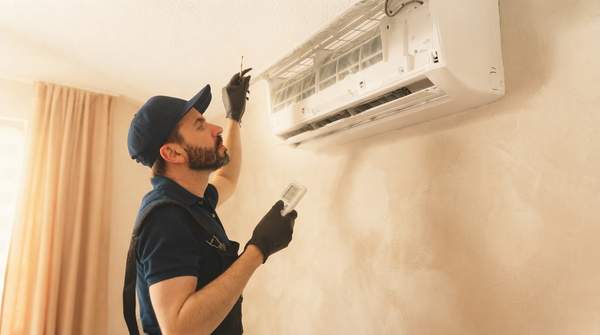
A single dirty HVAC filter can silently inflate your home’s energy bill by up to 15% each month, directly translating to higher utility costs. This easily replaceable component significantly hinders HVAC system performance, yet its continuous financial impact often goes unnoticed, making it a critical maintenance area for 2026, according to Shafferbeacon.
Homeowners often view HVAC maintenance as an optional expense, but neglecting it guarantees higher operating costs and eventual repair bills. The perceived immediate savings from skipping routine checks are dwarfed by inevitable energy waste and premature system failure.
Without widespread adoption of regular HVAC maintenance, many households will continue to overspend on energy and face avoidable system replacements, impacting both personal finances and broader energy efficiency goals.
The Hidden Value of HVAC Upkeep
Regular preventative maintenance directly extends an HVAC system's operational life and significantly reduces overall costs for homeowners. This proactive approach addresses minor issues before they escalate into major, expensive repairs. Investing a small amount upfront secures significant financial and operational returns over the system's lifetime, as highlighted by Point. Consistent care prevents the continuous financial drain from inefficiencies, like the 15% energy usage hike caused by a dirty filter, identified by Shafferbeacon. This 'neglect tax' from skipping professional maintenance accumulates rapidly through increased energy bills and accelerated system degradation, often unnoticed until a crisis.
Prioritizing consistent care leads to more stable utility costs and avoids the sudden financial burden of emergency breakdowns. It ensures the system operates at peak efficiency, delivering consistent heating and cooling without unexpected interruptions.
Essential DIY Checks for Homeowners
Homeowners can perform basic maintenance tasks to enhance HVAC efficiency and prevent common issues. Energy Star recommends regularly inspecting and adjusting thermostat settings for energy savings. Additionally, tightening accessible electrical connections can improve system safety and performance. However, these DIY efforts only address surface-level concerns, leaving critical, system-damaging problems unaddressed and potentially creating a false sense of security.

The distinction between homeowner tasks and professional service is crucial. While basic checks are helpful, complex issues like refrigerant leaks or compressor health require specialized equipment and expertise. Homeowners often underestimate the necessity of professional service, mistakenly believing DIY efforts are sufficient for comprehensive maintenance.
Why Skipping Professional Checks Costs More
Neglecting seasonal HVAC inspections by licensed technicians often leads to undetected issues that escalate into expensive repairs or premature system failures. Point emphasizes that seasonal maintenance must include checks for refrigerant leaks and thermostat malfunctions—tasks best performed by a professional. Unaddressed, these problems severely compromise efficiency and system longevity.
Homeowners who skip professional HVAC maintenance, mistakenly believing they save money, actually incur a hidden 'neglect tax.' This tax manifests as increased energy bills, like the 15% hike from a dirty filter identified by Shafferbeacon, and accelerated system degradation. The initial 'savings' are quickly overshadowed by greater long-term expenses, revealing a false economy.
Comprehensive HVAC care extends far beyond simple filter changes. Relying solely on DIY efforts leaves critical and costly system vulnerabilities unaddressed, leading to a higher likelihood of significant repair bills or complete system replacement.
Maximizing System Performance and Longevity
Proper lubrication of all moving HVAC parts is a small but crucial step in reducing wear and tear, ensuring smooth operation and extending unit life. Energy Star recommends this lubrication to minimize friction and prevent premature component failure, directly contributing to overall system health and efficiency.
Homeowners can further optimize performance by keeping outdoor units free from debris and maintaining clear airflow around the condenser. Regular cleaning of outdoor coils prevents heat transfer impediments, which force the system to work harder and consume more energy. Preventative measures collectively reduce strain, promoting consistent performance and a longer operational lifespan, ultimately lowering total ownership costs.
Adopting a consistent schedule for these practical tips significantly lowers the risk of unexpected breakdowns, ensuring a comfortable indoor climate without excessive energy expenditure.
When to Call a Pro: Common Questions
How often should I service my HVAC system?
For optimal performance and longevity, a layered approach is most effective. While filter changes might occur monthly and quarterly checks involve cleaning outdoor units, annual professional inspections are critical. Licensed technicians should perform these annual tasks to address complex issues, preventing minor problems from escalating.
What is included in professional HVAC maintenance?
Professional HVAC maintenance extends beyond basic cleaning to include critical diagnostics. Point states that annual tasks by licensed contractors include checking compressor health, inspecting for frozen evaporator coils, clearing condensate drain clogs, and diagnosing blower motor issues. These checks prevent cascading failures and maintain system integrity, safeguarding against unexpected breakdowns.
Can I maintain my HVAC system myself?
Homeowners can perform basic tasks like changing filters and checking thermostat settings. However, comprehensive HVAC care requires professional expertise. Many critical checks, such as identifying refrigerant leaks or assessing electrical connections, demand specialized tools and knowledge. Relying solely on DIY efforts risks overlooking serious issues that lead to costly repairs or system failure.
The Ultimate Payoff of Proactive Care
A comprehensive HVAC maintenance regimen directly translates to a more reliable, efficient, and healthier home environment, proving its worth many times over. Performing monthly, quarterly, and annual HVAC maintenance can lead to fewer repairs, safer equipment operation, a longer lifespan, lower energy consumption, and improved air quality, according to Point. Cumulative benefits far outweigh the perceived inconvenience or cost of regular upkeep.
If homeowners widely adopt consistent HVAC maintenance practices, they will likely see substantial reductions in energy costs and avoidable repair expenses, contributing to both personal financial stability and broader energy efficiency goals.