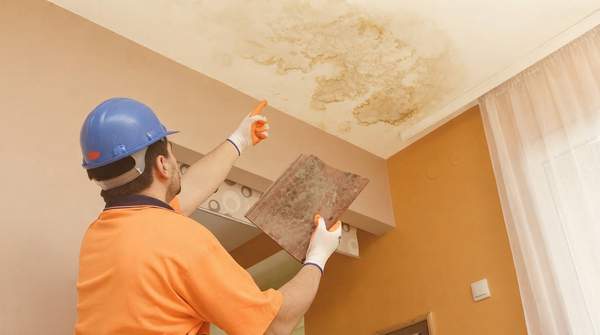
A small drip from a clogged gutter seems harmless until it causes a water stain to spread across your ceiling. This scenario highlights a crucial truth for homeowners: proactive care is the best defense against costly repairs. A comprehensive seasonal home maintenance checklist and guide is the key to protecting your property's value and ensuring its longevity. By breaking down tasks into manageable, season-specific steps, homeowners can stay ahead of potential problems. Resources like the seasonal home maintenance checklist provided by Fannie Mae offer a structured approach to year-round upkeep.
What Is Seasonal Home Maintenance?
Seasonal home maintenance is a proactive strategy for inspecting, servicing, and repairing a home's essential systems and structures in accordance with the changing seasons. This approach organizes tasks into four distinct periods—spring, summer, fall, and winter—each with a checklist tailored to address the specific challenges posed by the weather. For instance, spring tasks often focus on recovering from winter and preparing for summer heat, while fall maintenance centers on getting the home ready for cold temperatures. The goal is to identify and resolve minor issues before they escalate into significant, expensive emergencies, thereby maintaining the home's safety, efficiency, and overall condition.
Following a seasonal plan helps distribute the workload throughout the year, making home maintenance feel less overwhelming. Regular upkeep not only prevents costly issues but also improves energy efficiency, enhances curb appeal, and ultimately protects what is likely your largest financial investment. As noted by home building experts at Home Creations, simple seasonal checklists can help homeowners stay ahead of repairs and maintain their property's efficiency, turning daunting chores into manageable projects.
How Seasonal Home Maintenance Works: A Step-by-Step Guide for the Year
Consider this your go-to guide for a year of home care. By systematically addressing key areas each season, you can ensure your home remains in top condition. Let's break down the basics, season by season.

- Step 1: The Spring Home Maintenance ChecklistAfter a long winter, spring is the time for renewal and repair. Focus on the home's exterior, which has weathered the harshest elements, and prepare your cooling systems for the warmer months ahead.
- Inspect the Roof and Gutters: Winter ice and snow can damage roofing materials. Visually inspect your roof for any missing, loose, or damaged shingles. At the same time, clear all gutters and downspouts of leaves and debris to ensure proper drainage and prevent water from backing up, which could lead to water damage.
- Examine the Exterior: Walk around your property and inspect siding and exterior paint for cracks or peeling. Check all fascia and trim for any signs of deterioration. Early spring is also an ideal time to power wash siding to remove a winter's worth of dirt and grime.
- Service the HVAC System: Your air conditioning will soon be working hard. Change the filter and consider having a professional contractor inspect the system to ensure it's ready for summer, a recommendation supported by the International Association of Certified Home Inspectors. Regular servicing can improve efficiency and prevent a mid-summer breakdown.
- Tend to the Landscape: Trim overgrown trees and shrubs away from your home's foundation, siding, and roof. This prevents moisture and pest problems and protects your home from damage during high winds.
- Check Safety Devices: Inside, test all smoke and carbon monoxide detectors, replacing batteries as needed. This simple task is a critical safety measure that should be performed at least twice a year.
- Step 2: The Summer Home Upkeep GuideSummer maintenance focuses on maximizing comfort and efficiency while keeping an eye on outdoor spaces. These tasks are designed to keep your home cool and your utility bills in check during the hottest part of the year.
- Seal Windows and Doors: Check for air leaks around windows and doors. Apply new caulk or weatherstripping where needed to keep hot air out and cool air in. This small step can have a noticeable impact on your energy consumption.
- Adjust Ceiling Fans: Ensure your ceiling fans are rotating counter-clockwise. This pushes cool air down, creating a breeze that makes the room feel cooler and allows you to raise the thermostat setting slightly without sacrificing comfort.
- Clean Dryer Vents: Lint buildup in a dryer vent is a serious fire hazard. According to service professionals at Mr. Handyman, this should be cleaned annually to ensure safety and improve your dryer's efficiency.
- Maintain Outdoor Living Areas: Inspect and clean your deck, patio, and any children's play structures. Look for loose boards, protruding nails, or signs of rot. A good power washing can refresh these spaces for summer enjoyment.
- Step 3: Essential Fall Home Preparation TasksAs temperatures begin to drop, the focus shifts to preparing your home for the rigors of winter. Fall is the critical time to seal your home's envelope and ensure your heating systems are ready to perform.
- Inspect the Heating System: Just as you prepared your AC in the spring, your furnace or boiler needs attention in the fall. Change the filter and have a professional service the system to ensure it operates safely and efficiently throughout the winter.
- Seal Cracks and Gaps: Inspect the exterior of your home again for any cracks or gaps where cold air can infiltrate. Sealing these drafts can significantly reduce heating costs. Pay close attention to areas where pipes or wires enter the home.
- Prepare Outdoor Water Systems: To prevent pipes from freezing and bursting, turn off the water to all outdoor faucets. Drain and store hoses, and if you have an irrigation system, have it professionally blown out.
- Check the Fireplace and Chimney: If you have a wood-burning fireplace, have the chimney cleaned and inspected by a certified professional before its first use of the season. A clean chimney prevents dangerous chimney fires and ensures proper ventilation.
- Step 4: Winter Home Protection TipsWinter maintenance is primarily about protection and safety. The goal is to mitigate the effects of snow, ice, and freezing temperatures while ensuring your home remains a warm and safe haven.
- Insulate Pipes: In unheated areas like basements, crawl spaces, or garages, insulate any exposed water pipes to prevent them from freezing.
- Monitor for Ice Dams: After a heavy snowfall, keep an eye on your roof for the formation of ice dams—ridges of ice that form at the edge of a roof and prevent melting snow from draining. They can cause water to back up under the shingles and leak into your home.
- Reverse Ceiling Fans: Switch your ceiling fan's direction to clockwise. This will pull cool air up and push the warm air that has risen to the ceiling back down into the living space, improving heat circulation.
- Maintain Safety Indoors: Continue to test smoke and carbon monoxide detectors monthly. Keep heating vents and radiators clear of furniture, curtains, and other flammable items to ensure proper airflow and prevent fire hazards.
Common Mistakes to Avoid with Your Seasonal Home Maintenance Checklist
Even with the best intentions, homeowners can make missteps. Avoiding these common pitfalls is just as important as knowing what to do. Here's what you need to know to stay on track.
- Ignoring the "Small Stuff": A loose shingle, a small crack in the caulk, or a dripping faucet can seem insignificant. However, these minor issues are often precursors to major damage. Procrastinating on small repairs allows them to worsen over time, leading to more complex and expensive fixes.
- Forgetting About Gutters: Out of sight, out of mind is a dangerous approach to gutters. Clogged gutters are a primary cause of water damage to a home's foundation, siding, and roof. They should be cleaned at least twice a year, in the spring and late fall.
- Skipping HVAC Servicing: Many homeowners only call an HVAC technician when the system breaks. Regular professional servicing is crucial for efficiency, longevity, and safety. A neglected furnace can pose a carbon monoxide risk, while an unserviced AC is more likely to fail on the hottest day of the year.
- Using the Wrong Tools or Techniques: Attempting a DIY repair without the proper knowledge or equipment can cause more harm than good. For example, using a high-pressure setting on a power washer can damage siding, while improper electrical work is a major safety risk. Know your limits and hire a professional for complex or dangerous tasks.
Key Considerations for Effective Home Upkeep
Beyond the seasonal checklists, a strategic mindset can enhance your home maintenance efforts. These considerations provide a deeper layer of planning to protect your investment effectively.
First, it is essential to budget for maintenance. A common rule of thumb is to set aside 1-3% of your home's value annually for maintenance and repairs. This creates a financial buffer for both routine tasks, like HVAC servicing, and unexpected expenses, such as a water heater failure. Second, understand the difference between a DIY project and a job for a professional. While tasks like changing filters or clearing gutters are manageable for most, work involving roofing, major plumbing, or electrical systems often requires specialized expertise. Finally, personalize your checklist. While general guides are an excellent starting point, every home is unique. Factors like your region's climate, the age of your home, and its construction materials should influence your specific maintenance priorities.
Frequently Asked Questions
How often should I perform home maintenance?
While a seasonal schedule provides a framework for major tasks, some items require more frequent attention. For example, HVAC filters and smoke detectors should be checked monthly. The key is to blend these consistent monthly routines with a more thorough seasonal inspection.
Does a seasonal home maintenance checklist really save money?
Proactive maintenance saves homeowners thousands by preventing small issues—like sealing a draft or fixing a minor leak—from escalating into major structural or system failures. Resources from organizations like the National Residential Landlords Association emphasize that seasonal tips prevent small issues from turning into big bills, a principle applicable to all property owners.
What is the single most important maintenance task?
While no single task is "most important," water management maintenance is critically vital. This includes inspecting the roof, cleaning gutters, ensuring proper grading around the foundation, and checking for plumbing leaks. Uncontrolled water is one of a home's most destructive forces, leading to rot, mold, and structural damage.
The Bottom Line
Consistently inspecting and servicing your home's key components protects its value, improves efficiency, and prevents small problems from escalating into costly disasters. A structured, seasonal approach transforms an overwhelming list of chores into a manageable, year-round plan. Adopt a reliable checklist, like Fannie Mae's, and schedule your first seasonal review to take control of your home's health.