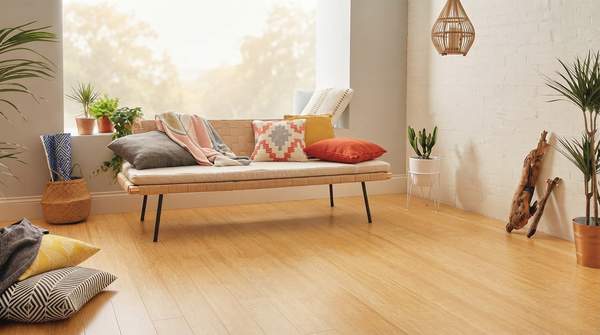
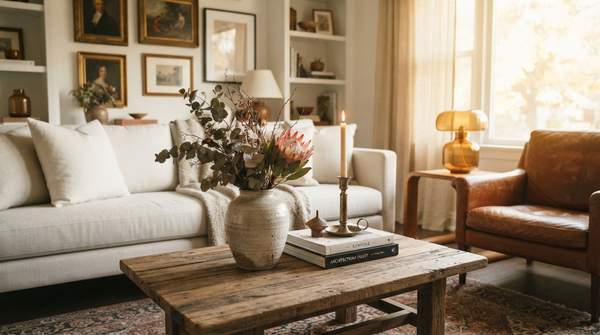
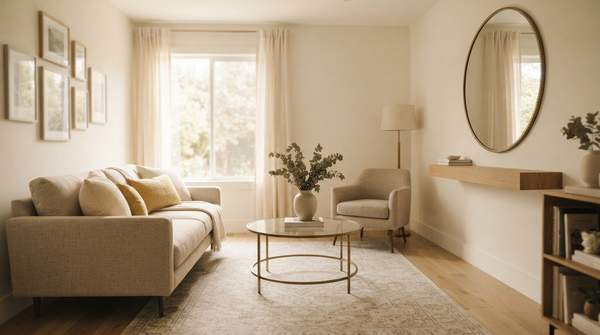
In Denmark, where winters are long and dark, 'hygge' isn't merely a design trend; it's a national pursuit of everyday contentment. Often, this means just a well-placed candle and a favorite blanket, creating a profound sense of peace and warmth. It's about cultivating an atmosphere where comfort reigns, encouraging quiet moments and meaningful connections.
Many perceive hygge as a minimalist design style, focusing on stark simplicity. Yet, its core maximizes comfort and personal warmth, often through thoughtfully accumulated cozy items, not their absence. This creates tension between 'less is more' and hygge's genuine desire for abundant comfort.
Adopting hygge principles can transform any home into a sanctuary of well-being, regardless of budget or existing decor. Understanding its true essence helps you create hygge home decor for cozy spaces in 2026, ensuring your environment truly reflects warmth and connection.
What Exactly is Hygge?
Hygge, pronounced 'hoo-gah,' translates to 'cozy warmth.' It embodies a lifestyle prioritizing emotional well-being and contentment. It means spending time with loved ones in a home filled with soft light and well-loved items, according to Houzz. Hygge is an experience of comfort and connection, not merely a decorative style.
The emphasis on 'well-loved items' implies a personal, sentimental connection to possessions. These objects hold memories, tell stories, and contribute to belonging. This contrasts sharply with the often impersonal, clean lines of broader Scandinavian design, which sometimes overlooks the emotional depth of a curated, comforting home.
Crafting Your Hygge Haven: Practical Steps
Creating your hygge haven starts with intentional choices for sensory comfort. Scandinavian design often eschews excess for simplicity, clean lines, and clutter-free spaces. Hygge, however, invites a different approach. It focuses on comfort with elements like plush sofas, large cushions, woollen blankets, candles, or table lamps, as stated by Panaria.
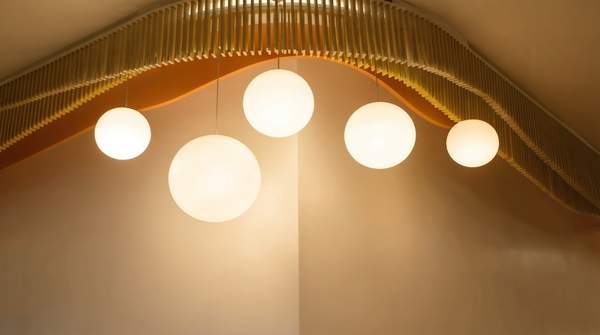
These elements combine simplicity and comfort for an inviting, relaxing environment. Consumers seeking true hygge should not strip their homes bare. Instead, intentionally invest in plush sofas, large cushions, and woollen blankets that foster genuine comfort and connection. This distinguishes hygge from superficial minimalism, encouraging curated abundance for warmth, not strict decluttering.
Avoiding Common Hygge Misconceptions
A prevalent misconception equates hygge solely with stark minimalism. While clean spaces are pleasant, true hygge thrives on lived-in comfort and personal warmth. It encourages comfort-enhancing items like plush sofas and woollen blankets, suggesting curated abundance for warmth, not strict decluttering. The market's conflation of hygge with minimalist design risks misguiding consumers. Its essence lies in creating cozy warmth and facilitating time with loved ones through specific, often abundant, comfort elements. Understanding this helps avoid superficial interpretations and embrace hygge's deeper meaning: prioritizing emotional warmth over a purely visual trend.
Beyond Decor: Integrating Hygge into Daily Life
Extending hygge beyond physical decor to daily habits deepens its impact on your well-being. It influences how you interact with your space and loved ones. Incorporate small rituals: enjoy a warm beverage in your favorite mug or read by soft lamplight.
These practices emphasize mindful living and appreciation for simple pleasures, fostering calm. Gather with loved ones for a home-cooked meal, or spend an evening playing board games. These shared moments, cultivated in a comfortable environment, are central to the hygge experience. Physical decor becomes a tool to facilitate deeper human connection, not an end in itself.
Your Hygge Questions Answered
What colors are best for hygge design?
For hygge design, focus on warm, neutral tones that evoke calm and natural comfort. Cream, soft grey, muted beige, and gentle pastels like light blues or greens are excellent choices. These colors create a serene backdrop, allowing textures and soft lighting to shine and enhancing the cozy atmosphere.
Are natural materials important for hygge decor?
Yes, natural materials are highly important for authentic hygge decor. Incorporate unfinished wood furniture, wool throws, linen curtains, and ceramic pottery. These materials add tactile warmth and an organic feel, connecting your space to nature and enhancing overall comfort and groundedness.
How can I make my bedroom more hygge?
To make your bedroom more hygge, prioritize soft lighting with dimmable lamps or fairy lights. Layer bedding with plush duvets, multiple pillows, and a chunky knit throw. Introduce scented candles with calming aromas like vanilla or sandalwood, and keep electronics to a minimum to create a true sanctuary for rest and relaxation.
The Enduring Appeal of Hygge
If consumers continue to prioritize authentic comfort and genuine connection over fleeting trends, hygge will likely remain a cherished philosophy for creating nurturing homes.