Gas appliance repairs can lead to accidental carbon monoxide poisoning, which causes over 400 deaths per year in the US, according to HowStuffWorks Home. Many homeowners undertake DIY renovations to save money, but often incur greater costs through mistakes, injuries, or necessary professional remediation. Underestimating project complexity and risks leads to significant financial setbacks, safety hazards, and diminished property value, negating any perceived initial savings. Avoiding these common DIY renovation mistakes is essential.
The Hidden Dangers of DIY: Beyond a Broken Nail
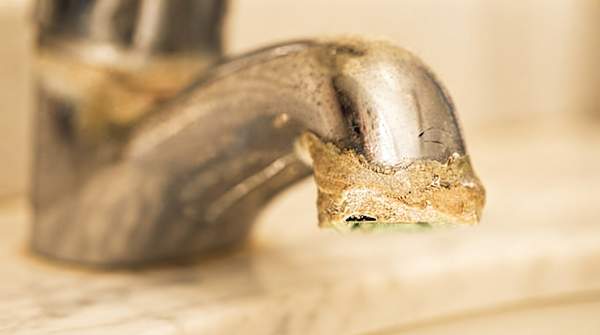
Many common DIY tasks carry inherent dangers beyond typical homeowner skills. Electrical repairs, beyond simple fixture changes, are particularly dangerous and may require permits, according to HowStuffWorks. Incorrect wiring can cause fires or electrocution. Similarly, modifying plumbing systems by extending hot water lines or re-routing sewer pipes can lead to significant damage if done incorrectly, as noted by HowStuffWorks. A small leak quickly escalates into extensive water damage, mold, and costly structural repairs. Improper plumbing can also create unsanitary conditions. Roofing repairs are not recommended for DIYers due to the significant risk of falling, which can lead to injury or death, according to HowStuffWorks. These tasks require specialized equipment and training. Homeowners often trade perceived short-term savings for potentially catastrophic long-term costs and safety risks.
Planning Your Project: What Not to Overlook
Proper upfront planning, including realistic budgeting and skill assessment, prevents common DIY pitfalls. Many homeowners unknowingly venture into areas requiring specialized permits and expertise, such as electrical and plumbing work. This systemic underestimation of regulatory and safety complexities can halt projects, incur fines, and necessitate expensive remediation. Ignoring local building codes and permit requirements leads to delays and additional costs. Homeowners must research necessary permits for structural, electrical, or plumbing changes before starting. Failing to secure proper permits results in rework or fines, negating any perceived cost savings. Accurately assessing one's own capabilities is also vital. While basic tasks are manageable, complex projects involving structural changes or critical utility systems demand professional expertise. Underestimating time and skill leads to unfinished projects, frustration, and higher costs when a professional corrects mistakes.
Common Mistakes That Cost More Than You Save
Even minor miscalculations in material estimates or aesthetic choices waste resources and inflate costs. While some overage, typically 5-10%, is necessary for cuts and mistakes during a project, according to Infinite Disposal, this buffer drastically underestimates the true cost of professional remediation for complex, safety-critical systems like electrical, plumbing, and gas. Errors in these areas lead to catastrophic damage or death, not just material waste. Ignoring the proper sequence of renovation steps also creates expensive reworks. For instance, installing new flooring before painting can lead to paint drips on fresh surfaces, requiring extra time and materials to correct. This lack of project management experience quickly inflates costs. Choosing permanent finishes like tile or flooring based solely on fleeting trends can result in outdated designs and premature replacement, as highlighted by Style by Emily Henderson. Opting for timeless choices or consulting a design professional prevents these aesthetic pitfalls and preserves long-term home value. The common advice for a 5-10% overage for DIY mistakes is a dangerous understatement, failing to account for severe financial and personal consequences of errors in critical systems.
Smart Strategies for Safer, Smarter Renovations
Empowering homeowners with knowledge about when to DIY and when to hire a professional is key to successful, safe home improvement. Meticulously research project scope, required tools, and necessary skills. Watch reputable tutorials and consult contractors for initial advice. Prioritize safety. For projects involving electricity, gas, or significant structural changes, always consult or hire licensed professionals. Their expertise ensures compliance with safety codes and prevents dangerous errors. Even for less risky projects, use appropriate safety gear. Develop a realistic budget with a contingency fund of at least 15-20% for unforeseen issues, rather than the commonly underestimated 5-10%. This buffer provides financial flexibility. Obtain multiple quotes from licensed contractors for outsourced work to ensure fair pricing and quality.
Your DIY Questions Answered
What are the biggest mistakes people make during home renovations?
Failing to secure necessary permits for structural, electrical, or plumbing work is a major mistake. This can lead to fines, stop-work orders, and mandatory rework, significantly increasing costs. Homeowners also frequently underestimate project complexity and time.
How can I prevent costly DIY renovation errors?
Preventing errors starts with honest self-assessment and a thorough understanding of the project. Always consult professionals for critical systems like HVAC, advanced electrical, or significant plumbing. Create a detailed budget with a contingency of at least 15-20% for unexpected issues.
What skills are essential for DIY home renovation?
Essential DIY skills include basic measurement, safe tool operation (e.g. drills, saws), proper surface preparation, and following instructions accurately. These foundational skills do not replace specialized knowledge for complex tasks like wiring, gas line installation, or structural beam replacement.
Homeowners will likely increasingly prioritize professional consultation for critical home systems, driven by a growing awareness of the severe risks associated with DIY gas and electrical repairs.