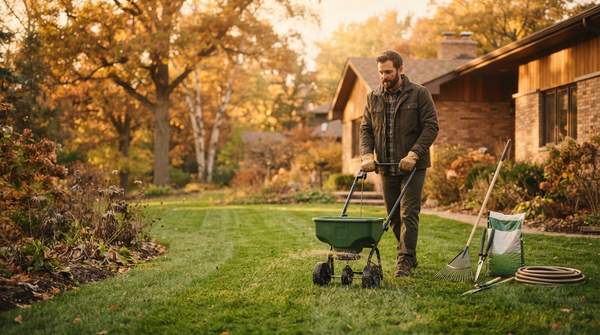
In a surprising finding, children aged 5-13 who regularly engaged in self-care and family-care chores showed significantly better working memory and inhibition skills, revealing a powerful, often overlooked link between daily home routines and crucial cognitive development, directly shaping the psychology of home organization and mental well-being by 2026. These simple tasks offer a tangible path to cognitive growth from a young age.
While many view household chores as a tedious burden, they are a vital, often overlooked exercise for developing and maintaining crucial cognitive functions. These daily activities consistently train the brain, shaping essential skills.
Embracing even minimal organizational efforts can yield substantial, measurable improvements in mental well-being and cognitive performance, making it a powerful, accessible form of self-care. It turns mundane tasks into opportunities for mental enhancement.
The Hidden Cognitive Cost of Clutter
Clutter directly impairs focus, making it harder to concentrate on tasks, according to nuvancehealth. This physical disarray translates into a cognitive burden, demanding mental energy to process and navigate your surroundings. Beyond hindering focus, clutter actively increases anxiety and stress, creating a constant, low-level mental drain, also reported by nuvancehealth. The University of Connecticut study confirms this: tolerating clutter isn't benign; it's a measurable drain on mental resources. Individuals unknowingly sacrifice focus and increase anxiety by neglecting simple organizational practices.
The physical state of our environment directly impacts our internal mental landscape, affecting our ability to concentrate and maintain calm. Tidying becomes a direct intervention for mental well-being, not merely an aesthetic choice.
How Chores Build Brainpower and Executive Function
Household chores actively engage executive function skills: planning, self-regulating, remembering instructions, and switching between tasks, according to pmc. These everyday activities provide consistent, practical exercise for vital cognitive abilities. However, not all chores offer the same cognitive benefits. For instance, no significant relationship was found between engagement in pet-care chores and executive function skills, as reported by pmc. The finding that no significant relationship was found between engagement in pet-care chores and executive function skills challenges the assumption that any chore equally benefits brain development, suggesting specific types of tasks are more impactful.
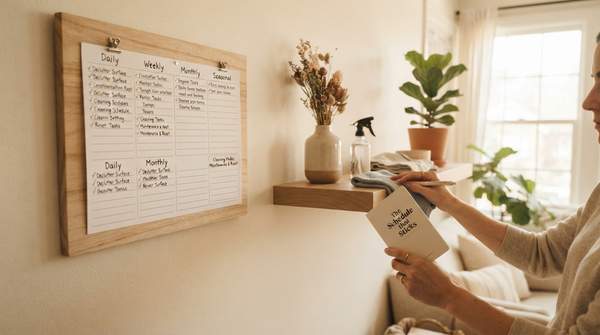
Parents delegating self-care and family-care chores are not just teaching responsibility; they are actively investing in their children's cognitive development, offering a tangible, everyday solution to improve executive functions crucial for academic success and overall health.
Beyond Perfection: Embracing 'Soft Decluttering'
A gentler method, 'soft decluttering,' offers an alternative to overwhelming organizational approaches. 'Soft decluttering' is presented as a kinder way to deal with possessions, according to The Washington Post. 'Soft decluttering' actively combats 'perfection paralysis' in home organization, making the process less intimidating and more accessible. It encourages progress over an immaculate, unattainable ideal.
The 'ten-second tidy' and 'soft decluttering' approaches show that cognitive benefits from organization don't require drastic lifestyle changes. Instead, consistent, low-effort habits make mental well-being accessible through small, daily actions, offering a practical way to overcome the overwhelming feeling of organization, making decluttering's benefits accessible without the pressure of perfection.
The Broader Impact: From Academics to Overall Health
Impairments in executive functioning can lead to difficulties in self-regulation, planning, and problem-solving, with implications for academic achievement and overall health, according to pmc. These challenges can hinder a child's progress in school and impact their long-term well-being.
The cognitive skills honed through organizational practices are fundamental to success across all aspects of life. Developing these skills early through chores sets a strong foundation for future learning and problem-solving, demonstrating the profound impact of these seemingly simple habits.
Simple Steps to a Calmer Mind and Home
What is a 'ten-second tidy' and how does it help?
A 'ten-second tidy' involves quickly putting away a few items as you move through your day. Implementing this simple habit daily can keep everyday mess manageable and prevent clutter-induced overwhelm or anxiety, according to extension. Consistent, minimal effort from daily implementation of this simple habit helps maintain order without feeling like a major chore.
How can I start organizing without feeling overwhelmed?
Beginning with small, manageable tasks rather than aiming for perfection, such as focusing on one drawer, one shelf, or a small area at a time, similar to 'soft decluttering' discussed earlier, reduces pressure and builds momentum, making the process more sustainable and less daunting.
Your Brain on Tidy: A Powerful Connection
By late 2026, HomeStyle & Beyond will likely continue to provide practical strategies, building on research like the University of Connecticut's findings, to help thousands of readers improve their cognitive function through simple home organization.