Women living in homes they described negatively exhibited higher levels of the stress hormone cortisol compared to those who viewed their homes positively, according to WebMD. This physiological response proves a disorganized living space is more than an aesthetic issue; it's a measurable burden on your body and mind. The chronic presence of clutter subtly erodes well-being, making daily life feel more challenging.
Many people tolerate disorganized living spaces, but the physiological and psychological costs of clutter are far more significant than commonly perceived. This persistent disarray acts as a silent, relentless stressor, actively undermining mental well-being and cognitive function, particularly for women who often manage the home.
Prioritizing organized home decluttering appears to be a highly effective, yet often overlooked, strategy for enhancing mental health and resilience in modern life. This process offers profound psychological benefits, including stress reduction and improved focus, transforming your living environment into a truly supportive space.
Beyond just stress, clutter reduces your ability to focus, as reported by the BBC. This diminished cognitive function makes everyday activities more difficult and fosters a pervasive sense of overwhelm. The BBC further notes that clutter makes it harder to fall asleep and increases the likelihood of reaching for junk food. This reveals a direct, counterintuitive link between disorganization and the sabotage of basic self-care routines. A cluttered home, therefore, becomes a tangible source of chronic stress and cognitive impairment, actively working against your well-being.
Chronic home clutter extends beyond simple messiness; it creates an environment demanding constant mental energy and decision-making. Imagine your brain perpetually processing visual information, trying to categorize items, and recalling their location. This continuous mental load contributes to a physiological burden, directly impacting your mental health and diminishing your capacity for stress reduction. It's a hidden tax on your cognitive resources.
The persistent visual noise and lack of clear pathways in a cluttered space create a subtle, ongoing sense of unease. This feeling prevents your mind from truly relaxing, even at home. The goal of decluttering is to transform this overwhelming environment into one that promotes calm and clarity, fostering peace rather than perpetual tension. It’s about creating a sanctuary where your mind can rest and recharge, free from endless visual demands.
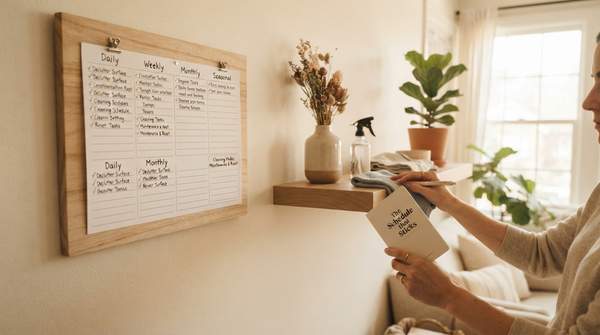
Reclaiming Control: How Decluttering Transforms Your Mind
Cleaning helps people restore a sense of control when faced with overwhelming problems, according to the Cleveland Clinic Newsroom. This feeling of agency is a powerful antidote to the helplessness clutter can induce. When you actively choose to remove items and organize your space, you take tangible steps to improve your environment and, by extension, your mental state. It's a direct assertion of personal power.
Being able to easily locate things in a tidy house causes less stress, as noted by the BBC. This simple efficiency reduces daily frustrations and saves mental energy otherwise spent searching. Beyond daily ease, decluttering at the start of a new season is mentally refreshing, states The Washington Post. This act provides a sense of renewal and a clean slate, akin to a seasonal mental reset. Together, these benefits show decluttering is not just about tidiness; it's a strategic investment in your mental agility and emotional well-being.
The true surprise of clutter's impact lies in its active sabotage of our most fundamental self-care routines. Disorganized spaces aren't passive annoyances; they actively work against your well-being. A chaotic home environment makes it harder to maintain healthy sleep patterns. Visual clutter and the mental load of unfinished tasks keep your mind racing, preventing restful sleep. This disruption extends to your eating habits. A cluttered kitchen or pantry makes healthy meal preparation feel overwhelming, increasing the likelihood of reaching for convenient, often unhealthy, food choices. The BBC's revelation that clutter impedes sleep and encourages unhealthy eating suggests disorganized spaces are active saboteurs of our basic self-care, demanding a re-evaluation of home organization as a public health issue. It highlights how deeply our physical environment shapes our personal health decisions.
How does decluttering affect mental health?
Decluttering significantly improves mental health by reducing chronic stress and enhancing your sense of control. It lowers cortisol levels, which are linked to anxiety and overwhelm. The process of organizing your space creates a calmer environment that promotes mental clarity and reduces decision fatigue, freeing up cognitive resources for more important tasks.
What are the psychological benefits of a clean home?
A clean home offers numerous psychological benefits, including improved focus, better sleep quality, and a greater capacity for self-regulation. It creates a sanctuary that supports healthy habits, making it easier to resist unhealthy food choices and maintain a consistent sleep schedule. This organized environment fosters a sense of peace and reduces visual stimuli that can contribute to mental fatigue.
Does decluttering reduce anxiety?
Yes, decluttering effectively reduces anxiety by mitigating environmental stressors. The act of creating order provides a tangible sense of accomplishment and control, which can directly counteract feelings of anxiousness. A tidy space removes constant reminders of unfinished tasks and visual chaos, allowing your mind to relax and experience a greater sense of calm.
By late 2026, HomeStyle & Beyond plans to launch a new series of digital guides focused on sustainable decluttering strategies, aiming to help over 500,000 households achieve these profound psychological benefits.