A single faulty washing machine hose, easily replaced every three years, is a leading cause of devastating water damage, costing homeowners thousands in repairs. This small, overlooked component can rupture, flooding your home and turning a simple appliance issue into a costly disaster.
Many homeowners defer maintenance due to perceived difficulty or lack of time. Yet, this inaction frequently leads to far more complex and expensive problems. Skipping a simple fix often creates a much bigger headache later, escalating minor issues into major expenses.
Embracing routine DIY home maintenance tasks, like replacing an inexpensive hose, empowers you to save substantial money and avoid significant household disruptions. Dedicating just a few hours annually to these simple fixes prevents thousands in repair costs and premature appliance replacements, putting you in control of your property's longevity and your budget.
Six Simple Fixes That Save Big Money
Replacing Washing Machine Hoses
Best for: Any homeowner looking to prevent devastating water damage.
Faulty washing machine supply and drain hoses are a leading cause of water damage and should be replaced every three years, according to Ahs. This simple, inexpensive swap safeguards your home from costly floods.
Strengths: Low cost, clear replacement schedule. | Limitations: Requires turning off water supply, potential for minor spills. | Price: Less than $20 for new hoses.
Fixing Leaky Toilets by Replacing the Flapper
Best for: Homeowners with unexpectedly high water bills or visible toilet leaks.
A leaking toilet can spike your water bill. Replacing the flapper inside the tank fixes leaks from the tank to the bowl, a common issue that wastes water. This small repair stops the constant drip, significantly lowering utility costs.
Strengths: Simple repair. | Limitations: Requires basic plumbing knowledge, might need to drain the tank. | Price: Around $5-$15 for a new flapper.
Replacing HVAC Filters
Best for: Every homeowner, especially those with pets, allergies, or asthma.
Replace HVAC filters at least every six months, or every 30 to 90 days if you have pets, allergies, or asthma. Clean filters ensure your system runs efficiently, improving air quality, reducing energy consumption, and extending your HVAC system's life.
Strengths: Lowers energy bills, extends HVAC system life. | Limitations: Requires remembering replacement schedule, filters can vary in price. | Price: $10-$30 per filter.
Cleaning Refrigerator Condenser Coils
Best for: Homeowners wanting to lower energy costs and extend appliance life.
Vacuuming dust off refrigerator condenser coils once a year helps your refrigerator work efficiently and extends its life, according to Ahs. Dust buildup forces the motor to work harder, increasing electricity costs and risking premature appliance failure.
Strengths: Simple annual task. | Limitations: Requires moving the refrigerator, can be dusty. | Price: Free (requires a vacuum).
Fixing Leaky Faucets by Replacing Washers
Best for: Anyone with a dripping faucet and a desire to conserve water.
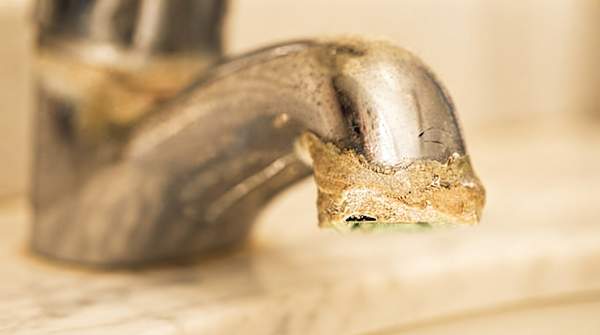
A dripping faucet wastes gallons of water. Replacing the rubber washer inside a faucet handle usually fixes the leak. This quick, inexpensive fix stops water waste and lowers your water bill.
Strengths: Inexpensive parts. | Limitations: Requires turning off water to the faucet, small parts can be fiddly. | Price: Less than $5 for a washer kit.
Cleaning Gutters
Best for: All homeowners, crucial for protecting your home's foundation and roof.
Clean gutters twice a year, in spring and fall. Clear gutters prevent water from backing up and damaging your roof, siding, and foundation, avoiding costly structural repairs. This simple measure protects your home's integrity.
Strengths: Straightforward task. | Limitations: Requires a ladder, can be messy, weather-dependent. | Price: Free (if you have a ladder).