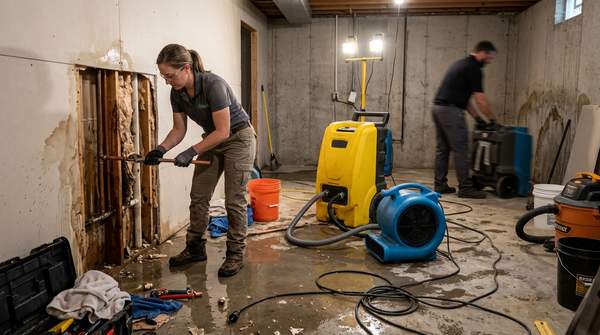
Following severe flash floods in August, emergency calls for basement sewage backups in Aurora surged by 250%, according to Aurora Fire-Rescue. Emergency calls for basement sewage backups reveal a hidden crisis beneath the city's streets. Aurora has seen a 30% increase in sewer line breaks in the past year compared to the previous five-year average, as reported by the Aurora Water Department. The city faces a dramatic rise in sewer line failures due to climate extremes, but its infrastructure budget and homeowner awareness lag behind the escalating risk. Rapid shifts from extreme dryness to sudden saturation stress underground pipes, causing soil expansion and contraction, states the University of Colorado Civil Engineering Dept. Given increasing extreme weather and aging infrastructure, Aurora homeowners are likely to face more frequent and costly sewer line damages, demanding proactive measures and potential policy changes.
The Hidden Impact of Extreme Weather
- Prolonged drought shrinks clay soils by up to 15%, leaving buried pipes vulnerable to shifting, reports the Colorado Geological Survey.
- Aurora's residential sewer infrastructure averages 45 years old, with many pipes made of brittle clay or cast iron, states the City of Aurora Infrastructure Report.
- Climate models predict a 20% increase in extreme weather events, including droughts and intense rainfall, for the Denver Metro area over the next decade, according to the National Oceanic and Atmospheric Administration.
This confluence of aging, brittle pipes and dramatic soil shifts from climate extremes creates a perfect storm for widespread infrastructure failure, a trend likely to worsen as weather patterns intensify.
Homeowners Bear the Brunt
A single residential sewer line break can cost homeowners $5,000 to $20,000, often not fully covered by standard home insurance, reports the Local Plumbing Contractors Association. The financial burden of sewer line breaks falls directly on residents. Many homeowners are unaware that they are responsible for maintaining the lateral sewer line from their house to the city's main line, states the Homeowner's Insurance Guide. Homeowners' lack of awareness leaves them unprepared for substantial repair costs. Residents in older neighborhoods have reported multiple sewer issues, leading to repeated property damage, according to Aurora Sentinel interviews. The hidden responsibility of maintaining lateral sewer lines blindsides many, leaving them to face unexpected and often unaffordable repair bills.

City's Response and Limitations
City officials admit current infrastructure maintenance budgets cannot proactively replace all at-risk lines, as noted in the Aurora City Council Meeting Minutes. The problem's scale outpaces available funds. While Aurora has allocated an additional $2 million for emergency sewer repairs next fiscal year—a 50% increase—the additional $2 million for emergency sewer repairs addresses symptoms, not the root cause, according to the Aurora City Budget Proposal. Replacing Aurora's entire at-risk sewer infrastructure is estimated at over $1 billion, far exceeding current municipal budgets, states the Aurora Water Department. The estimated cost of over $1 billion to replace Aurora's entire at-risk sewer infrastructure makes a proactive overhaul an insurmountable challenge with present resources.
Preparing for Future Shocks
Aurora Water is piloting a new ground-penetrating radar system to identify vulnerable sections, though full deployment is years away, according to the Aurora Water Department. The new ground-penetrating radar system could enable more targeted repairs. Cities like Phoenix, in drought-prone regions, have implemented mandatory sewer line inspection programs at point of sale to inform new homeowners, states Phoenix City Ordinance. Similar policies could boost homeowner awareness in Aurora. A proposed state bill aims to create a low-interest loan program for homeowners to upgrade critical infrastructure, including sewer lines, according to Colorado State Legislature Bill 2024-X. Long-term solutions will require a multi-faceted approach, combining advanced technology, policy changes, and financial assistance.
What Aurora Homeowners Need to Know
What are the risks of sewer line damage after drought?
Prolonged droughts dry and shrink clay soils, pulling them away from buried pipes. This movement causes cracks and shifts, making pipes highly susceptible to collapse when sudden heavy rains saturate the ground again.
How do floods affect sewer systems?
Flash floods introduce a sudden surge of water, often exceeding the sewer system's capacity. This overload can cause backups into homes through compromised pipes. Rapid saturation of previously dry soil also exerts immense pressure, leading to breaks.
What preventative measures can be taken for sewer lines?
Engineers recommend annual professional inspections for homes over 30 years old, especially in areas with expansive clay soils, according to the American Society of Civil Engineers. Some insurance providers now offer specific sewer line endorsements, though these often have high deductibles and strict coverage limits, states the National Association of Insurance Commissioners.