Ignoring a basement crack just 1/10 of an inch wide can lead to thousands in structural repairs, a cost many homeowners unknowingly invite. This small oversight quickly escalates into a significant financial burden. Addressing such minor issues early prevents extensive damage, preserving the home's structural integrity and value.
Homeowners often believe they are saving money by deferring minor preventative home maintenance tasks, but this inaction inevitably leads to far more expensive and disruptive repairs. The perceived short-term savings are a costly illusion that accumulates hidden, high-interest debt. For 2026, a comprehensive seasonal tasks checklist is essential.
Homeowners who adopt a consistent, seasonal maintenance routine will significantly extend their home's lifespan and protect their financial investment, while those who don't face escalating costs and diminished property value.
The Hidden Cost of Inaction
Ignoring potential problems early on might offer short-term savings, but minor problems can turn into big, expensive problems, according to Prefixinc. The true cost of homeownership is often hidden in deferred maintenance. Homeowners who defer seemingly minor upkeep are not truly saving money; they are merely accumulating a hidden, high-interest debt that will inevitably come due, often at a catastrophic cost.
The minimal cost and effort of routine tasks, such as checking caulking or cleaning gutters, stand in stark contrast to potential repair costs, like thousands for structural repairs from a small crack. A massive return on investment for prevention is revealed. The true cost of homeownership is not just the mortgage; it is the consistent, proactive investment in minor tasks that prevent major structural and financial collapses, a reality many homeowners tragically learn too late.
Your Seasonal & Periodic Maintenance Checklist
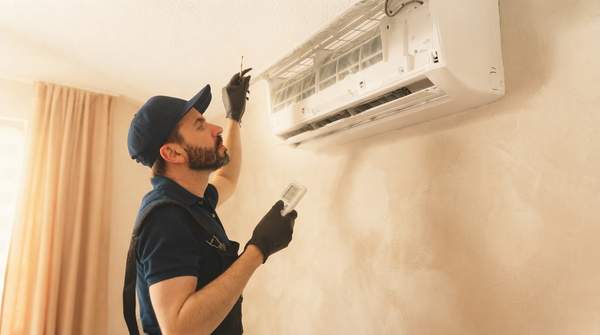
A structured approach to maintenance, encompassing monthly, quarterly, and seasonal tasks, ensures all critical areas of the home are regularly inspected and cared for. Monthly preventative maintenance tasks include checking and replacing HVAC and furnace filters, cleaning wall grilles, checking counters and floors for damage, and inspecting fire extinguishers and alarms, according to The Ultimate Home Preventative Maintenance Checklist. These consistent checks are foundational to preventing larger issues.
Quarterly preventative maintenance tasks involve changing air exchanger filters, checking dryer and washer filters, inspecting appliance cords, and inspecting caulking around sinks and tubs, as detailed by Prefixinc. For seasonal upkeep, spring checks involve cleaning the roof, checking gutters and downspouts, and inspecting outdoor caulking, according to Mapscu. Checking gutters, plumbing, weather stripping, and cooling systems during summer can help reduce the need for major home maintenance repair later, according to Stewart. While the thesis emphasizes 'seasonal' maintenance, critical items like HVAC filters require monthly checks and smoke detectors have a 10-year replacement cycle, indicating that 'seasonal' is too broad a term for the diverse and ongoing nature of essential home upkeep.
Common Mistakes That Drain Your Wallet
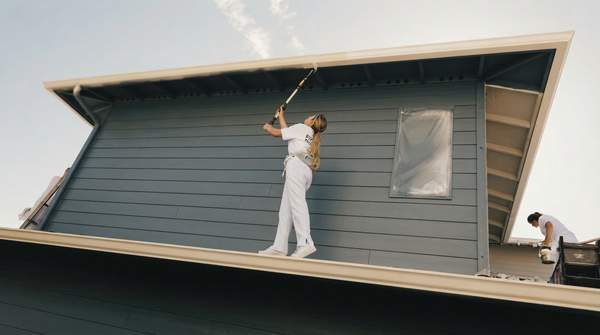
Delaying essential upkeep like exterior painting can result in substantial financial outlays that could have been mitigated with timely preventative action. The average cost for exterior painting in the area is $3,000 to $12,000, according to mapscu. This significant expense often arises when homeowners defer painting, allowing weather and wear to cause deeper damage to siding and trim.
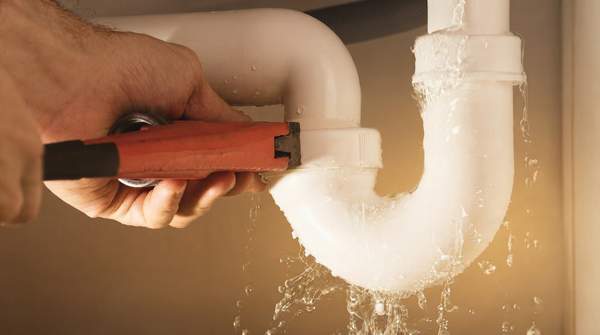
Ignoring potential problems early on might save money in the short term, but minor problems can turn into big, expensive problems. For instance, a small leak in a pipe could be a simple fix costing minimal funds. If left unaddressed, that same leak could lead to extensive water damage, mold growth, and structural issues, costing thousands in remediation and repairs. Companies and individuals alike must recognize that 'small preventive tasks' (Stewart) are not optional niceties but mandatory investments, as ignoring them transforms minor issues into major financial liabilities, turning a $10 filter change into a multi-thousand dollar HVAC replacement.
DIY vs. Pro: Smart Choices for Maintenance
While many tasks are suitable for DIY, understanding the cost-benefit of professional services for specific jobs ensures quality work and prevents potential damage from improper execution. Renting a power washer costs between $70 and $300 per day, according to realtor. However, hiring a professional for power washing costs between $200 and $400, according to Realtor. A perception gap between 'small preventive tasks' and their actual financial outlay is created, which might deter proactive action despite long-term savings.
The cost difference between DIY and professional services highlights the tension homeowners face. For tasks requiring specialized equipment or expertise, professional help can prevent costly mistakes and ensure thoroughness. For example, a homeowner might save money by cleaning gutters themselves. However, a professional roof inspection could identify subtle damage that a DIYer might miss, preventing a future leak and extensive repairs.
Addressing Common Maintenance Questions
What should I do for fall home maintenance in 2026?
In fall 2026, focus on preparing your home for colder weather. Essential tasks include inspecting your furnace and heating system, sealing any drafts around windows and doors, and draining outdoor irrigation systems to prevent freezing. Clearing leaves from gutters and downspouts is also vital to ensure proper water drainage away from your foundation.
What are essential winter home maintenance tips for 2026?
For winter 2026, prioritize insulation and protection from freezing temperatures. Insulate exposed pipes in unheated areas like basements and crawl spaces. Test your sump pump to ensure it is operational, and trim tree branches that could fall onto your roof during heavy snow or ice storms. Keep walkways clear of snow and ice to prevent slips and falls.
How often should I replace smoke and carbon monoxide detectors?
Smoke and carbon monoxide detectors should be replaced every 10 years, according to Nahb. Regular testing, at least once a month, is also critical to ensure these devices are functioning correctly. Replacing them according to manufacturer guidelines and testing them frequently helps maintain a safe home environment.
Protect Your Investment, Season by Season
Small preventive tasks are usually far less expensive than fixing damage after it occurs, according to Stewart. Homeowners who defer seemingly minor maintenance are not saving money; they are merely accumulating a hidden, high-interest debt that will inevitably come due, often at a catastrophic cost, as evidenced by the thousands in structural repairs a 1/10 inch crack can incur. The true cost of homeownership isn't just the mortgage; it's the consistent, proactive investment in minor tasks that prevent major structural and financial collapses.
Ultimately, a consistent, seasonal approach to home maintenance is the most effective way to protect your investment, avoid unexpected expenses, and ensure your home remains a safe and valuable asset for years to come. By Q4 2026, homeowners who prioritize these routine checks will likely see their property value preserved and avoid the financial strain of major, unforeseen repairs.