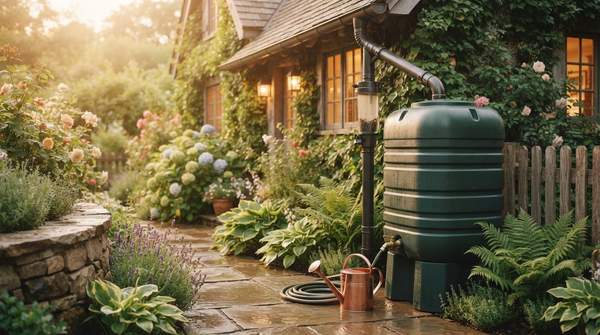
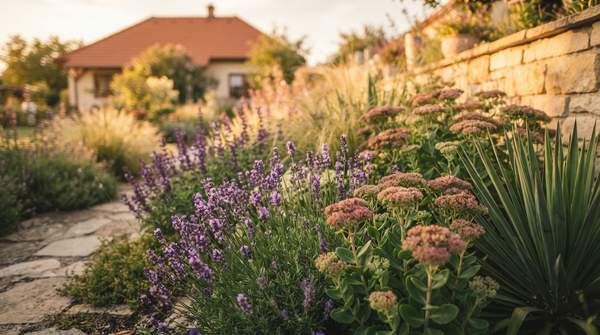
As of 2026, tabletop vegetable plants like aubergines and chillies are predicted to replace cut flowers as a top garden trend, signaling a significant shift in how homeowners approach their outdoor spaces. The move towards practical, edible plants, including peppers and tomatoes, reflects a growing desire for functionality and a focus on the best drought tolerant plants for low maintenance gardens, according to The Guardian.
Gardeners desire lush, vibrant outdoor spaces, but traditional methods often lead to excessive water use and high maintenance. Many common trees, shrubs, and groundcovers traditionally used in California landscapes are very drought tolerant and low water using once established.ablished and irrigated properly, but they are usually over watered, as reported by Ucanr.
As water scarcity and environmental awareness grow, the gardening landscape appears poised for a widespread adoption of drought-tolerant, utilitarian plants, driven by both necessity and innovation. The shift offers an accessible and beautiful path to drastically reduced water use and maintenance, making traditional lush lawns an obsolete luxury.
6 Smart Plant Choices for Water Savings
1. Drought-resistant Roses (Rosa persica crossbreeds)
Best for: Gardeners seeking classic beauty with modern resilience
Rose breeders are crossbreeding existing varieties with central Asian roses (Rosa persica) to enhance drought and disease resistance, according to The Guardian. These new hybrids maintain aesthetic appeal while requiring less water and chemical intervention, performing 'outstandingly well' in summer extremes. The development of these hybrids means gardeners no longer have to sacrifice classic beauty for sustainability.
Strengths: Enhanced drought and disease resistance; performed 'outstandingly well' in summer extremes. | Limitations: Newer varieties may have limited availability initially. | Price: Varies by cultivar and nursery.
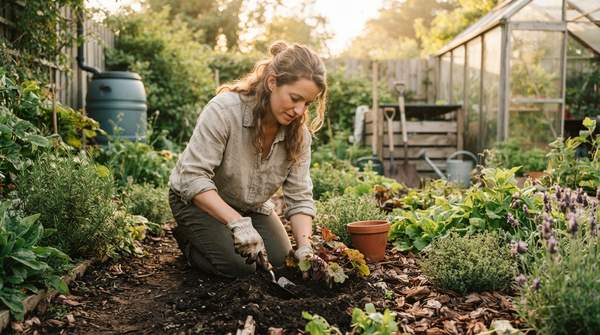
2. Woody Plants
Best for: Establishing foundational structure in sustainable landscapes
Woody plants perform well with up to 55% less water than that needed by the average tall fescue lawn, as observed by ucanr.edu. This category includes many trees and shrubs that provide year-round interest and contribute to a low-maintenance garden. Significant water savings make woody plants foundational for any truly sustainable landscape, shifting focus from seasonal blooms to enduring structure.
Strengths: Significant water savings compared to lawns; long-term landscape stability. | Limitations: Slower growth than herbaceous plants. | Price: Moderate to high depending on size and species.
3. Common Shrubs (once established)
Best for: Defining garden beds and providing continuous visual interest
Many common shrubs are very drought tolerant and low water using once established and irrigated properly, though they are usually over watered, according to ucanr.edu. This includes popular choices like Ceanothus and Manzanita, providing structure with minimal ongoing care. The key to their efficiency lies in proper initial care, challenging the common misconception that all shrubs need constant watering.
Strengths: Very drought tolerant and low water using once established; versatile for various garden designs. | Limitations: Requires proper initial watering for establishment; prone to overwatering by uninformed gardeners. | Price: Affordable to moderate.
4. Common Groundcovers (once established)
Best for: Reducing bare soil, suppressing weeds, and minimizing erosion
Groundcovers, once established and properly irrigated, are very drought tolerant and low water using. These plants offer an effective alternative to thirsty turfgrass, as noted by ucanr.edu, and are inherently low maintenance. Beyond water savings, they actively improve soil health and suppress weeds, making them a multi-functional choice for eco-conscious gardeners.
Strengths: Very drought tolerant and low water using once established; excellent for weed suppression and soil health. | Limitations: Initial establishment care is crucial. | Price: Generally low, especially when planting small starts.
5. Common Trees (once established)
Best for: Providing shade, habitat, and long-term landscape value
Similar to shrubs, many common trees are very drought tolerant and low water using once properly established. Overwatering these mature trees diminishes their natural water efficiency, states ucanr.edu, making proper irrigation key for a low-maintenance garden. Their long-term benefits, like shade and carbon sequestration, are fully realized only when their established water needs are respected, not exceeded.
Strengths: Very drought tolerant and low water using once established; significant environmental benefits like shade and carbon sequestration. | Limitations: Requires initial investment and establishment care. | Price: Varies widely by size and species.
6. TWCA-approved Grass Varieties
Best for: Homeowners seeking a lawn aesthetic with reduced water needs
TWCA-approved grass varieties demonstrate significant water-saving potential. These specialized seeds offer a low-maintenance lawn option for those unwilling to fully convert to non-turf alternatives, providing a balanced approach to water conservation. These specialized seeds represent a compromise for those who desire a traditional lawn aesthetic without the extreme water demands, bridging the gap between old and new gardening practices.
Strengths: Proven water-saving potential; maintains a traditional lawn appearance. | Limitations: Still requires some irrigation; availability may vary by region. | Price: Varies; may be available at a reduced cost through "Turf Trade" programs in Salt Lake City or Provo, according to Conservewater Utah.
The Real Water Cost: Turf vs. Tolerant Alternatives
| Plant Type | Water Usage Relative to Tall Fescue | Maintenance | Aesthetic/Function |
|---|---|---|---|
| Tall Fescue Lawn | 100% (Baseline) | High (mowing, fertilizing, weeding) | Traditional green carpet |
| Woody Plants & Non-Turf | Up to 55% less water | Low (minimal pruning, less fertilizing) | Varied textures, seasonal interest, habitat |
Woody plants and other non-turf plants perform well with up to 55% less water than that needed by the average tall fescue lawn, according to ucanr.edu. The substantial water reduction from woody plants and other non-turf plants offers powerful environmental and cost-saving benefits, making non-turf plants a clear choice for low-maintenance landscaping. The stark contrast in water usage reveals that traditional lawns are not just inefficient, but actively detrimental to water conservation efforts, pushing homeowners towards more responsible choices.
Maximizing Efficiency: How to Choose and Care for Drought-Tolerant Plants
In Salt Lake City or Provo, TWCA-approved seed may be available at a reduced cost through their “Turf Trade” programs, according to conservewater.utah.gov. Local initiatives, like Salt Lake City or Provo's “Turf Trade” programs, make sustainable options more accessible, offering reduced costs for water-wise choices.
Companies selling drought-tolerant plants and water-saving solutions are missing a critical opportunity by not emphasizing proper watering techniques for established plants, leaving significant water savings on the table for homeowners, as evidenced by ucanr research. The oversight by companies means many homeowners are still overwatering, missing out on the full potential of their drought-tolerant investments and highlighting a gap in industry education. Understanding a plant's true water needs, especially after its establishment period, is crucial for maximizing efficiency and achieving a truly low-maintenance garden.
Homeowners should research specific plant requirements and consider drip irrigation systems. Such systems deliver water directly to the root zone, minimizing evaporation and runoff, which helps prevent the common issue of overwatering already efficient species.
Your Resilient Garden Awaits
Embracing drought-tolerant plants cultivates vibrant, low-maintenance spaces that are both environmentally responsible and economically beneficial. The fundamental shift, seen in the rise of tabletop vegetables and drought-resistant roses, prioritizes utility and resilience over traditional aesthetics, making water-guzzling lawns an increasingly unsustainable luxury.
HomeStyle & Beyond projects that by late 2026, if current trends continue, over 40% of new garden installations will likely feature a majority of drought-tolerant and edible plants, driven by continued water conservation efforts and a desire for practical beauty.
Frequently Asked Questions About Drought-Tolerant Gardening
What are the easiest drought tolerant plants to grow?
Many succulents like Sedum and Sempervivum require minimal attention and thrive in dry conditions once established. Herbs such as lavender and rosemary are also robust choices, offering both drought tolerance and culinary uses, making them ideal for beginners.
What plants survive with no water?
While no plant truly survives with "no water" indefinitely, many highly adapted desert plants like cacti and some agaves can endure extended periods without irrigation after establishment. They store water in their specialized tissues, allowing them to withstand weeks or even months of drought in arid environments.
What are the best low-maintenance plants for a sunny garden?
For sunny spots, consider ornamental grasses like Feather Reed Grass or Little Bluestem, which offer texture and movement with minimal care. Perennials such as Salvia and Coneflower also flourish in full sun, providing vibrant blooms and attracting pollinators without demanding excessive watering or fuss.