Outdoor

The Rise of the Personal Garden: Top Emerging Garden Landscaping Trends for the Spring Season

This spring, homeowners are trading perfectly manicured lawns for deeply personal outdoor spaces that reflect memory, comfort, and unique style.

MC
Mason Clarke

April 5, 2026 · 7 min read

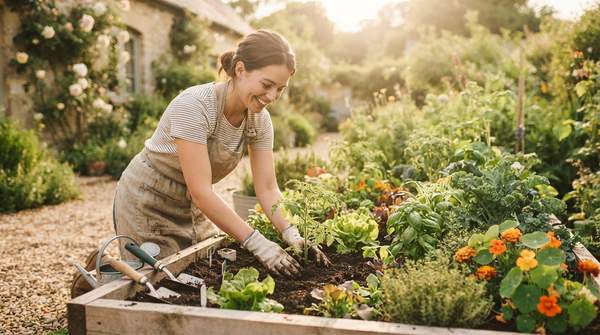
A beautiful spring garden showcasing personalized landscaping trends, featuring blooming lilac bushes, a comfortable outdoor seating area, and unique decorative elements that reflect individual style and memory.

A homeowner in Ohio carefully plants a row of lilac bushes along a fence line, not for their curb appeal, but for their scent—a fragrance that instantly transports her back to her grandmother’s yard three decades ago. This small, personal act is at the heart of the top emerging garden landscaping trends for the upcoming spring season. Homeowners are increasingly turning away from picture-perfect, generic landscapes and embracing outdoor spaces that are deeply personal, functional, and rich with memory. This shift is less about achieving a flawless aesthetic and more about creating a true extension of the self, a sanctuary tailored to individual lifestyles and histories.

What are the Top Emerging Garden Trends for Spring?

The definition of a "dream backyard" is transforming, moving from immaculate, uniform lawns to customized environments designed for specific purposes. Pinterest's Spring Trend Report for 2026 identifies this personalization as a key emerging trend. Consumers are prioritizing comfort, unique experiences, and manageable projects that reflect their own lives, giving rise to four prominent trends reshaping outdoor spaces.

  • Nostalgia Gardening: A significant movement involves curating gardens that evoke cherished memories. According to a report by Country Living, "nostalgia gardening" is a blooming trend for spring 2026. This practice involves planting flowers, herbs, and vegetables connected to one's past. Homeowners are selecting fragrant plants like roses and lavender, not just for their beauty, but because the strong link between scent and memory can recall a childhood home or a loved one’s favorite flower. This trend often features wildflowers, which can evoke a sense of youthful adventure and create a vibrant, less structured garden design.
  • The Outdoor Room for Hosting: The desire to use the garden as a functional "outdoor room" continues to grow. According to reporting from Elle Decor, landscape designers are receiving an increasing number of client requests for spaces specifically dedicated to entertaining. This goes beyond a simple patio set. Homeowners are investing in permanent, thoughtfully designed areas such as shaded picnic spots and fully equipped, weather-proof outdoor kitchens and dining areas. The goal is to create a seamless transition from indoor to outdoor living, making the backyard a primary location for social gatherings.
  • Micro-Escapes and Manageable Upgrades: Not all garden transformations are large-scale overhauls. The Pinterest report highlights a move toward smaller, more accessible projects that create "micro-escapes." This is particularly relevant for renters and those with limited space. The data shows a significant spike in user interest, with searches for "balcony makeover ideas" rising 165%. These projects focus on maximizing small spaces—balconies, small patios, or even a single sunny corner—to create intimate retreats for relaxation, such as a cozy spot for morning coffee or a setting for a backyard movie night. This trend emphasizes that a meaningful connection to nature doesn't require a large plot of land.
  • The Wellness Sanctuary: Personalizing an outdoor space is also taking the form of creating dedicated wellness sanctuaries. Homeowners are looking to their backyards for rest and rejuvenation. Elle Decor notes a rising interest in at-home, outdoor well-being features, with more clients specifically asking for saunas. The key is to integrate these elements naturalistically into the landscape, surrounding them with calming plants and materials to create a private spa-like experience. This trend reflects a broader cultural focus on health and self-care, bringing restorative practices directly into the home environment.
Consumer Preferences Driving Spring Garden Design

Consumer values are shifting from unattainable ideals to authenticity and comfort. Pinterest's spring 2026 trend report, based on 600 million monthly users, confirms this move from perfection to personalization and small, manageable home upgrades. Latin Times, analyzing the report, notes comfort is the new status symbol. Pinterest, with 88% trend forecast accuracy over six years, offers an early look at these evolving priorities.

Nostalgia gardening aligns with broader cultural currents like the "cottagecore" aesthetic, the homesteading movement, and a desire to slow down and reconnect with nature. An expert told Country Living that "The simple practice of digging in the dirt can bring back memories of time spent with loved ones," reflecting a yearning for tangible connections to both the natural world and personal histories in an increasingly digital age.

A strong practical driver is the focus on activating outdoor spaces. As The Detroit News notes, people view their yards as a worthwhile lifestyle investment. Homeowners ask, "What do I have to do to activate the space?" This prompts investment in quality outdoor furniture, functional kitchens, and well-designed entertaining areas, expanding usable living space. This pragmatic approach merges personal enjoyment with increased home functional value.

Real-World Examples of Emerging Landscaping Trends

These trends are actively being implemented in backyards, patios, and balconies across the country. Each application demonstrates a unique interpretation of personalization, tailored to the owner's space, budget, and emotional needs.

Consider the case of a family in a suburban neighborhood who decided to embrace nostalgia gardening. Instead of opting for a modern, low-maintenance design, they transformed their backyard into a space reminiscent of an old English rose garden, a cherished memory from a family trip. They planted fragrant David Austin roses, lavender, and delphiniums—plants chosen not for their trendiness but for their ability to evoke a specific feeling and time. The result is a vibrant, slightly untamed space that serves as a living scrapbook, a stark contrast to the manicured lawns of their neighbors. This is a direct reflection of using plants to create a collage of memory and emotion.

In a dense urban center, a young professional exemplifies the "micro-escape" trend. Living in a high-rise apartment with only a small concrete balcony, she used the surge in online inspiration—reflected in Pinterest's 940% increase in searches for "garden inspiration ideas"—to create a personal oasis. She installed vertical wall planters for herbs and trailing vines, laid down interlocking deck tiles to soften the floor, and added comfortable seating with weather-resistant pillows. A simple string of solar-powered lights completes the ambiance. This small-scale project, executed over a single weekend, transformed a sterile space into a functional and deeply personal retreat for enjoying a quiet moment, demonstrating that meaningful outdoor living is achievable regardless of square footage.

A couple who loves to host social gatherings provides a powerful example of a backyard designed for entertainment. They invested in a permanent outdoor kitchen, installing a built-in grill, small refrigerator, and durable countertops under a new pergola with a landscape designer. Adjacent to this cooking area, a dedicated dining space comfortably seats ten guests. This strategic decision created a functional "room" that becomes the hub of their social life during warmer months, illustrating the trend of personalizing a space to support a lifestyle centered on community and hospitality.

What This Means for the Future of Outdoor Living

The growing emphasis on personalization has significant implications for homeowners, designers, and the landscaping industry. This shift empowers individuals, suggesting a valuable and enjoyable outdoor space is defined by how well it reflects the user's identity and needs, rather than its size or budget. It democratizes garden design, moving away from a one-size-fits-all model.

The landscape and home goods industries must offer greater flexibility and customization as demand shifts from generic materials to unique offerings that allow for personal expression. This includes wider availability of heirloom seeds for nostalgia gardeners, modular and renter-friendly furniture for micro-escapes, and high-performance materials for durable outdoor kitchens. Designers and contractors will find success by collaborating with clients, translating personal stories and functional needs into cohesive designs rather than imposing pre-defined styles.

This movement toward personalization also intersects with a growing environmental consciousness. A truly personal garden can also be a personally responsible one. Experts are seeing gardeners think more holistically about water management, a trend reported by Elle Decor. This involves designing landscapes that capture, slow, and reuse water, which not only conserves a precious resource but also supports local biodiversity. By creating rain gardens or installing permeable pavers, homeowners can personalize their space to be more resilient and ecologically friendly. This forward-thinking approach suggests that the future of garden design will be a blend of personal expression and environmental stewardship.

Key Takeaways

  • Personalization Over Perfection: The dominant trend for the spring season is the shift toward creating unique outdoor spaces that reflect individual memories, needs, and lifestyles, rather than conforming to a flawless, impersonal aesthetic.
  • Function Defines Form: Backyards are increasingly viewed as functional extensions of the home. Homeowners are designing dedicated zones for specific activities like entertaining, wellness, and relaxation, making their outdoor spaces more usable.
  • Small-Scale is Significant: Impactful outdoor transformations no longer require large spaces or budgets. "Micro-escapes" on balconies and small patios are a major trend, making personal gardens accessible to a wider audience, including renters and city dwellers.
  • Memory and Scent are Powerful Design Tools: The rise of "nostalgia gardening" highlights the use of plants with personal history and strong fragrances to create deeply emotional and meaningful landscapes that connect homeowners to their past.