Out of 165 scientific papers, a staggering 120 found native species consistently outperform non-native plants in supporting local ecosystems and providing environmental benefits. This systematic review reveals a clear ecological advantage for indigenous flora in maintaining robust local biodiversity. Homeowners aiming for sustainable landscaping must consider this scientific consensus.
Despite the review's findings, some horticulturalists assert non-native plants are more successful, providing equal or greater habitat and ecosystem services. This assertion creates a tension between traditional gardening practices and ecological research, exposing a significant divide between practical belief and scientific evidence. Such choices often inadvertently undermine local ecosystems.
Homeowners seeking to maximize environmental benefits and biodiversity will increasingly adopt native plant-focused landscaping. This will shift mainstream horticultural practices towards ecological functionality over purely aesthetic considerations, prioritizing long-term ecological health and fostering more resilient residential environments.
Sustainable landscaping designs outdoor spaces to be environmentally responsible, resource-efficient, and supportive of local ecology. This goes beyond water reduction, focusing on plants that naturally thrive locally, minimizing fertilizers and pesticides. A core principle enhances biodiversity by creating habitats for local wildlife: insects, birds, and small mammals.
This contrasts with conventional landscaping, which prioritizes ornamental aesthetics without ecological impact. Traditional methods often rely on non-native species, heavy irrigation, and chemical treatments. Sustainable landscaping integrates the garden into the natural environment, fostering a self-sustaining system that considers soil health, water conservation, and overall ecological footprint. The shift emphasizes native plants, naturally adapted to local climates, requiring less water and maintenance. Their evolutionary history with local fauna provides specific food and shelter, forming crucial links in the local food web.
The Ecological Imperative: Why Native Plants Win
A systematic literature review, using PRISMA methodology, assessed native and non-native plants in urban green spaces, focusing on faunal biodiversity, ecosystem services, and plant performance. Out of 165 papers, 120 found native plants consistently outperform non-natives on these metrics, according to plant native: comparing biodiversity benefits, ecosystem services, and plant performance. This overwhelming scientific consensus challenges long-held horticultural beliefs, providing a clear foundation for sound landscaping decisions.
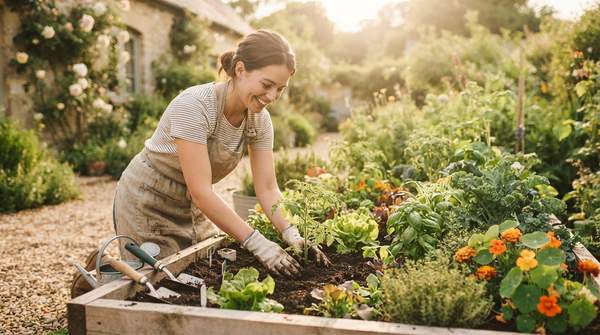
Despite this evidence, many horticulturalists assert non-native plants are more successful and provide equal or greater habitat and ecosystem services. Yet, the review demonstrates native plants support higher faunal abundance and diversity in urban landscapes. This directly contradicts claims of comparable ecological value, exposing a significant disconnect between scientific findings and industry practices.
Crucially, native plants thrive in urban horticultural settings, according to Link Springer. The fact that native plants thrive in urban horticultural settings dispels the misconception that native species are difficult to cultivate or less aesthetically pleasing, proving their viability for widespread adoption. Homeowners choosing non-native species, despite 120 out of 165 papers favoring natives, make an ecologically detrimental choice, undermining local biodiversity. The persistent assertion by many horticulturalists that non-native plants are equally successful, despite overwhelming scientific evidence, reveals a critical need for the landscaping industry to update its practices.
Designing Your Sustainable Oasis: Practical Steps
Creating a sustainable landscape begins with understanding existing site conditions. First, create a base plan: a bird’s-eye map of your property, including lines, buildings, and existing features, according to udel. The base plan informs design decisions. Next, analyze site conditions by mapping contour lines, wet/dry areas, sun/shade patterns, water movement, utility lines, and views. Understanding these elements ensures plant selections suit specific microclimates, minimizing future maintenance. For instance, placing drought-tolerant plants in dry, sunny spots reduces irrigation needs.
Core ecological landscaping practices emphasize native plants and diverse forms, according to Nwf. Core ecological landscaping practices advocate dense groundcovers, fallen leaves, dense planting, and a mix of flowering species for seasonal color. Supporting soil by avoiding chemicals, minimizing disturbance, and including water features completes a holistic approach. Since native plants thrive in urban conditions and support higher faunal diversity, any urban greening initiative not prioritizing them misses an opportunity to restore ecosystems, trading short-term aesthetics for long-term ecological decline.
The choice between native and non-native plants significantly impacts local ecosystems. Native species contribute directly to the local food web's health and resilience, providing specific nectar, pollen, and seeds for indigenous insects and birds. This support is critical for pollinator populations, vital for agriculture and broader ecosystem function.
Conversely, widespread non-native plants disrupt these delicate balances. While visually appealing, they often lack the specialized resources local wildlife needs, leading to declines in insect populations, which then impact birds. The cumulative effect fragments habitats and reduces biodiversity in urban and suburban areas, decreasing ecological stability.
Adopting sustainable landscaping offers homeowners a tangible environmental impact. Beyond supporting wildlife, native plant landscapes require less water and fewer chemical inputs once established, reducing utility bills and pollution. This benefits both the property and the wider regional environment, promoting sustainable coexistence through responsible design.
What are the benefits of sustainable landscaping?
Sustainable landscaping offers multiple benefits, including enhanced local biodiversity by supporting native wildlife, reduced water consumption through drought-tolerant native plants, and minimized need for chemical pesticides and fertilizers. It also improves soil health and reduces stormwater runoff, contributing to cleaner local waterways. For instance, choosing native plants can decrease irrigation needs by up to 75% compared to traditional lawns in some regions, according to drought, water conservation, landscape water use, and plant selection.
How can I make my garden more eco-friendly?
To make your garden more eco-friendly, prioritize planting native species that are adapted to your local climate and soil conditions. Incorporate practices like composting to enrich soil naturally, reduce or eliminate chemical use, and implement rainwater harvesting systems. Consider adding diverse plant forms, dense groundcovers, and water features to create a varied habitat, as suggested by core ecological landscaping practices outlined by Nwf.
What plants are best for sustainable landscaping?
The best plants for sustainable landscaping are native species indigenous to your specific region. These plants have evolved to thrive in local conditions, requiring less water, fertilizer, and pest control than non-native alternatives. Examples include local wildflowers, shrubs, and trees that provide essential food and shelter for native insects, birds, and other wildlife. Consulting a local native plant society or extension office can provide specific recommendations for your area.
What are the key elements of sustainable landscape design?
Key elements of sustainable landscape design include an initial base plan and site analysis to understand existing conditions, followed by the integration of core ecological practices. These practices focus on using native plants, creating diverse plant structures, ensuring ground cover, and supporting soil health. Minimizing disturbance, avoiding chemicals, and incorporating water features further define an effective sustainable design, according to guidelines from sustainable landscaping - office of general services - ny.gov.
The overwhelming scientific evidence confirms native plants are superior ecological choices, presenting a clear directive for homeowners and the landscaping industry. As homeowners increasingly seek sustainable landscaping, the demand for native plant options will likely grow, pushing horticulturalists and plant suppliers to adapt their practices and offerings towards ecological functionality over purely aesthetic considerations. By Q3 2026, regional nurseries and design firms like "GreenScapes Eco-Design" may find increased success by prominently featuring native plant collections and ecological design services, ensuring local ecosystems continue to thrive for decades.