What Is Sustainable Landscaping and Why Does it Matter in 2026?

Up to 50 percent of the water used for landscaping in residential areas goes to waste, according to a 19january2017snapshot from the U.

MC
Mason Clarke

April 13, 2026 · 4 min read

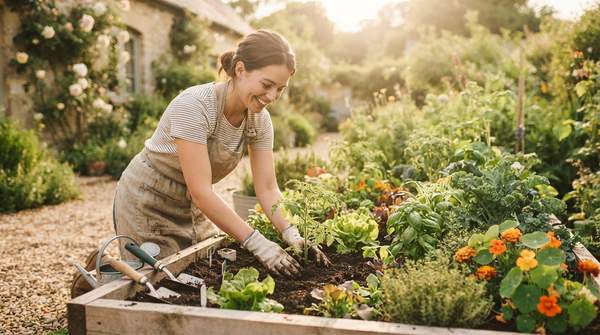
A beautiful and sustainable backyard garden featuring native plants, efficient irrigation, and water-saving features like a rain barrel.

Up to 50 percent of the water used for landscaping in residential areas goes to waste, according to a January 19, 2017 snapshot from the U.S. Environmental Protection Agency (EPA). This significant loss occurs due to evaporation, wind, or runoff, often caused by inefficient watering methods. This waste reveals a critical inefficiency in how outdoor spaces are managed across communities.

Homeowners invest substantial effort and resources into maintaining lush outdoor spaces, yet half of the water applied to these landscapes is often lost without benefiting plants or the environment. This creates a tension between perceived aesthetic value and actual ecological impact, directly affecting local water supplies and homeowner expenses.

Embracing sustainable landscaping and eco-friendly practices for outdoor spaces in 2026 is not merely an aesthetic choice. It is an increasingly critical strategy for resource conservation and environmental resilience in communities facing water scarcity and climate challenges.

What is Sustainable Landscaping?

Sustainable landscaping integrates design, installation, and maintenance practices that minimize resource use and enhance ecological health. It focuses on creating outdoor areas that are both functional and environmentally responsible. One core practice involves grasscycling, which means leaving mowed clippings on your lawn to naturally fertilize and hold in water, according to CalRecycle. This simple method reduces the need for synthetic fertilizers and conserves moisture, directly improving soil vitality.

The approach extends beyond water efficiency to encompass soil health, biodiversity, and energy conservation. It prioritizes the use of native plants, which are adapted to local climate conditions and often require less water, fertilizer, and pest control. By reducing the reliance on external inputs, sustainable landscaping supports healthier ecosystems and decreases the environmental footprint of residential and commercial properties, offering a long-term ecological advantage.

Xeriscaping: Designing for Drought Resilience

Efficient water management is a cornerstone of sustainable outdoor spaces, with xeriscaping leading the way in drought-prone regions. Successful xeriscaping begins with a thorough understanding of your site, including soil properties, sun exposure, water flow, and microclimates, advises The Conservation Foundation. This initial analysis ensures that plant choices and irrigation strategies are tailored to the specific conditions of each yard, maximizing efficiency and minimizing waste.
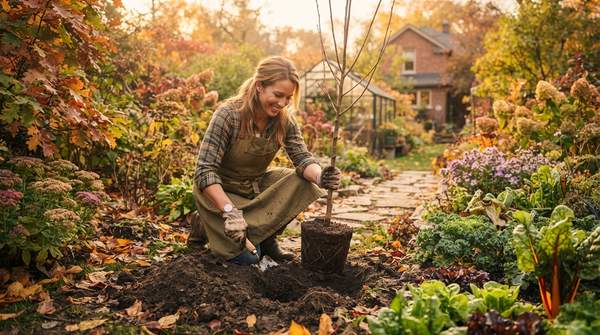
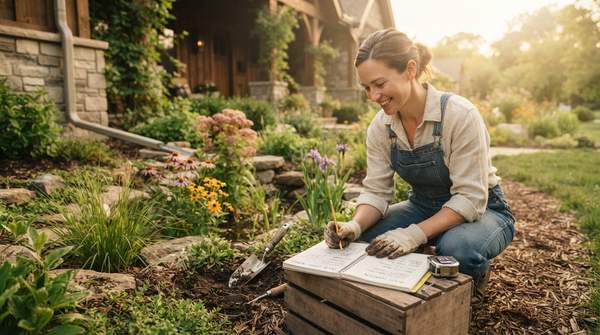
For instance, efficient irrigation for xeriscaping involves watering deeply and infrequently, encouraging plants to develop deep root systems. This method trains plants to be more self-sufficient, using irrigation systems as a backup rather than a primary water source. Installing drip irrigation can save 50% to 90% of water usage, according to CalRecycle. Such technologies transform a major water liability into substantial savings, demonstrating how precise application can drastically cut consumption compared to traditional sprinkler systems, making water conservation highly achievable.

Ecological Gains: Beyond Water Conservation

Sustainable landscaping offers benefits that extend far beyond water savings, contributing significantly to broader ecological health and climate resilience. The resources provided by native species are unmatched by horticultural non-natives, states ScienceDirect. Native plants support local biodiversity by providing essential food and habitat for pollinators and wildlife, which non-native species often cannot, thereby strengthening local food webs.

Furthermore, sustainable practices play a role in mitigating urban heat and sequestering carbon. Tree canopies can cool streets by 10°F, according to CalRecycle, offering a tangible climate benefit in urban areas. Additionally, compost helps plants store more carbon climate pollution in the soil, transforming landscapes into carbon sinks. These actions collectively enhance environmental health, demonstrating that sustainable landscaping is a critical, underutilized tool for urban climate resilience and a healthier atmosphere.

The Imperative for Greener Outdoor Spaces

The imperative for greener outdoor spaces extends beyond individual property lines, driving a critical evolution in community environmental stewardship. Prioritizing native plants and efficient watering directly reduces strain on municipal water resources and cultivates healthier local ecosystems. This collective shift also lessens reliance on chemical fertilizers and pesticides, safeguarding soil and water quality. Such integrated practices build resilient, low-impact outdoor spaces that demand less maintenance, freeing homeowner time and cutting long-term costs. Ultimately, widespread adoption of sustainable landscaping is essential for creating vibrant, ecologically balanced communities prepared for future environmental challenges.

Common Questions About Sustainable Yards

How can I make my garden more eco-friendly?

To make your garden more eco-friendly, consider incorporating a rain garden to capture and filter stormwater runoff, reducing pollution. You can also replace impervious surfaces with permeable paving materials like gravel or permeable pavers, which allow water to infiltrate the ground. Prioritize selecting native plant species that are well-suited to your local climate and soil conditions, as they generally require less water and maintenance.

What are some examples of sustainable landscaping designs?

Sustainable landscaping designs often feature zones of plants with similar water needs, a practice known as hydrozoning, to optimize irrigation efficiency. Another example is creating dedicated wildlife habitats using native shrubs and flowers that provide food and shelter for local birds and insects. Designs might also include composting areas for yard waste and using locally sourced, recycled materials for hardscaping elements.

If homeowners widely adopt efficient watering technologies like drip irrigation, communities could collectively save billions of gallons of water annually by 2026, significantly transforming resource use and contributing to a healthier planet.