While spring often gets the spotlight in the gardening world, fall provides a superior window for planting many garden mainstays, including trees, shrubs, perennials, and a variety of vegetables. The season's unique combination of warm soil and cooling air creates ideal conditions for plants to establish strong root systems without the stress of summer heat. This head start allows them to flourish with robust growth when spring arrives, better preparing them for the challenges of the following summer.
The Science Behind Fall Planting Success
The primary advantage of planting in the fall stems from a simple biological principle: plants can focus their energy on root development instead of managing top growth. According to plant company Proven Winners, this is due to "the unique combination of cooling air and lingering warmth in the ground." While the sun becomes less intense and air temperatures drop, the soil retains significant warmth from the summer months. This environment encourages vigorous root growth deep into the ground, creating a strong foundation before winter dormancy sets in.
As daytime temperatures cool and nights grow colder, plants naturally slow their above-ground growth, limiting the production of tender new leaves that could be damaged by frost. Jolene Hansen, writing for GardenTech, explains that this process allows plants to direct their energy underground. This period of establishment helps them develop stronger root systems that, according to nursery Enchanted Forest, better prepare them for the heat of the following summer. Furthermore, autumn often brings more reliable rainfall, which the OSU Extension Service notes can reduce the need for supplemental watering while new plants get settled.
Fall Planting Decision Framework
To make the most of the season, it's crucial to know which plants benefit from a fall start and which are better left for spring. This framework categorizes common garden plants based on their suitability for autumn planting, helping you prioritize your efforts for the best results.
| Plant Category | Fall Planting Suitability | Primary Rationale |
|---|---|---|
| Trees & Shrubs | Recommended | Warm soil and mild temperatures promote strong root establishment before spring's growth demands, leading to better resilience against summer heat. |
| Perennials | Recommended | They benefit from warm soil for root development and cooler air, which reduces transplant shock and prepares them for robust spring growth. |
| Cool-Season Vegetables | Recommended | These crops thrive in cooler temperatures and more consistent moisture. Fall planting avoids summer heat that causes bolting and bitterness, leading to better flavor and quality. |
| Peas & Potatoes | Not Recommended (with caveats) | Peas require cool soil for germination, which is often too warm in early fall. Potatoes can yield poorly in regions where fall soil remains too hot. |
Trees, Shrubs, and Perennials: Fall's Best Candidates
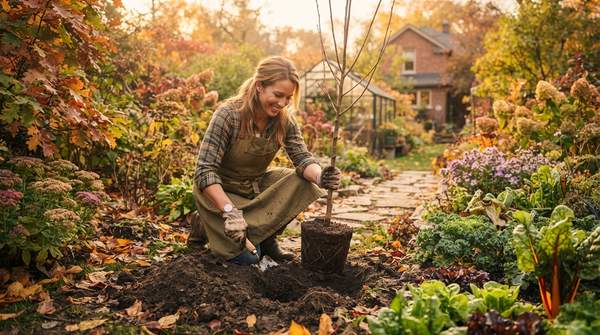
For woody plants like trees and shrubs, as well as herbaceous perennials, fall is an excellent planting season. The extended period of mild weather before the ground freezes allows them to establish deep, healthy root systems without the pressure to also produce leaves, stems, and flowers. This underground growth continues as long as the soil remains warm enough, giving them a significant head start over their spring-planted counterparts.
When spring arrives, these fall-planted specimens can dedicate their energy to producing robust top growth, having already completed the foundational work below ground. This leads to stronger, more resilient plants that are better equipped to handle the stress of summer heat and potential drought. The cooler air of autumn also minimizes transplant shock, making the transition into the garden smoother and more successful.
Cool-Season Vegetables: A Second Harvest Opportunity
Fall offers a prime opportunity to extend the harvest by planting vegetables that flourish in cooler conditions. According to Purdue Extension, many crops that struggle in summer heat, such as lettuce and spinach, are prone to "bolt," or produce seed prematurely, which makes them bitter. Planting them in the fall avoids this issue. Vegetables like broccoli, cauliflower, and Brussels sprouts are particularly well-suited for fall, as they produce the best quality and flavor when they mature in cool weather.
Other excellent choices for a fall garden include root vegetables and leafy greens. Gardeners can plant carrots, beets, radishes, turnips, kale, and chard. In some regions, garlic cloves and onion sets are also planted in the fall for a harvest the following year. As The Dallas Garden School notes, the fall gardening season often begins long before the weather feels cool, so planning is essential to take full advantage of this second growing window.
Plants to Postpone: When Spring is Better
Not all plants are suited for a fall start. A few common spring vegetables do not perform well when planted in late summer or early autumn. According to guidance from Kansas State University, peas are a primary example. Although they love cool weather, they require cool soil for proper germination. In many regions, the soil remains too warm in early fall for peas to sprout and grow effectively. If planted too late, they may not have enough time to mature before a hard frost arrives.
Potatoes can also be a challenge. While a fall crop is possible in some northern areas of Kansas, the university's extension service notes that in southern parts of the state, the soil is typically too warm, leading to poor yields. These examples highlight the importance of understanding a plant's specific needs for both air and soil temperature before deciding when to put it in the ground.
General Timing Principles for Fall Planting
While specific dates vary by local climate, a few general rules can guide your fall planting schedule. For trees, shrubs, and perennials, a widely accepted guideline is to get them in the ground about six weeks before your region’s first hard frost. This provides ample time for their roots to become established in the warm soil. If you are unsure of your area's first frost date, your local county extension agent is an excellent resource for that information.
For vegetables, timing is based on the crop's "days to maturity" and its tolerance for cold. To determine the right planting date, you must count backward from your average first frost date. An Ohio State University publication advises considering the harvest time for each crop to ensure it matures before a killing frost. Many cool-season crops, such as kale and spinach, can even tolerate a light frost, which often improves their flavor. Remember that the fall planting season can start in late summer, when temperatures are still high, so it's important to plan ahead to ensure a successful autumn harvest.
Optimizing Your Garden with Fall Planting
To build a more resilient and productive garden, prioritize fall planting for trees, shrubs, and cool-season perennials and vegetables to leverage natural conditions for stronger root establishment and reduced plant stress. By working with the season's unique advantages of warm soil and cool air, you set these plants up for long-term success. The reward for this autumn effort becomes visible the following spring. While the vigorous root growth itself is not directly observable without disturbing the plant, you can identify a successfully established plant by its early leafing out and robust initial growth when the growing season begins again.
Sources
- Why Fall is Actually the Best Season for Planting Your Garden — Proven Winners
- The Benefits of Garden Planting in Fall — Gardentech
- Enchanted Forest shares why fall is the best time to plant — Communityimpact
- Fall planting offers long-term benefits for trees, shrubs and perennials — OSU Extension Service
- Extension
- North Texas Fall Vegetable Planting Calendar — The Dallas Garden School
- Sedgwick
- Planting A Fall Vegetable Garden — U