A productive and beautiful kitchen garden, brimming with fresh vegetables, fragrant herbs, and vibrant flowers, is an achievable goal for any homeowner willing to invest in a thoughtful plan. By systematically assessing your space, selecting plants suited to your conditions, and using a structured layout, you can cultivate a garden that is both a reliable source of fresh ingredients and a stunning enhancement to your outdoor living area. This guide provides a step-by-step framework to help you design a functional and attractive kitchen garden, centered on a concrete, adaptable plan for the popular and manageable 4x8 foot raised bed.
Planning Your Kitchen Garden: A Step-by-Step Approach
The modern kitchen garden, often called a potager, is a space designed for both utility and beauty. This approach moves beyond simple rows of vegetables to create an integrated, visually appealing landscape. A structured layout, such as a system of raised beds organized by paths, lends a formal, tidy appearance. This style encourages mixing edible plants with ornamental flowers, resulting in a display that is as delightful to look at as it is to harvest from. A clear plan is the foundation for making the most of your available space and ensuring your efforts lead to a rewarding outcome.
Before purchasing a single seed, the first step is to choose the right location. Accessibility is paramount for a garden you intend to use frequently. Sarah Mead, the head gardener at Yeo Valley Organic Garden, offers a simple but crucial piece of advice: “‘Choose an area you can get to easily.’” A garden close to your kitchen door is one you will visit often, making it simple to snip fresh herbs for a recipe or gather greens for a salad. This convenience also encourages consistent care, as daily tasks like watering, weeding, and monitoring for pests become part of your routine rather than a chore.
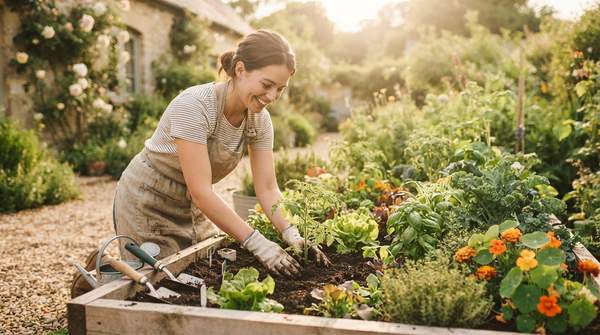
It is also wise to begin with a manageable size. While the 1,500-square-foot White House Kitchen Garden is an inspiration, a document from that project advises new gardeners to start small. An overly ambitious garden can quickly become overwhelming, leading to neglect and disappointment. Sketching out a simple design first helps you visualize the space and allocate room for each plant. Raised beds or containers are excellent options for beginners, as they provide defined planting areas, offer superior control over soil quality, and tend to warm up faster in the spring, giving your plants a healthy start.
Step 1: Assess Your Space and Sunlight
Once you have a general location in mind, a more detailed assessment is necessary. The amount of direct sunlight your garden receives is one of the most critical factors for success, as most common vegetables and herbs require plenty of light to thrive. Spend a day observing your yard, noting which areas receive the most consistent sun. This will help you pinpoint the ideal spot for your beds and avoid placing sun-loving plants in a shady corner where they will struggle.
The quality of your soil is another foundational element for a healthy garden. If you are using raised beds, you have the advantage of filling them with a high-quality soil mix. In any garden, applying a layer of mulch around your plants is beneficial. Mulch helps improve the soil structure over time, locks in essential moisture to reduce watering needs, and effectively suppresses the growth of weeds that compete with your crops for nutrients.
For homeowners with limited ground area, thinking vertically is a transformative strategy. You can dramatically increase your growing capacity by incorporating structures for climbing plants. According to guidance from Salisbury Greenhouse, training vining crops like cucumbers, beans, and peas to grow upward on a trellis saves precious ground space for other plants. You can also get creative by attaching planters and shelves to a sunny wall or arranging pots on a multi-tiered stand or ladder. This approach allows you to cultivate a surprising amount of food in a very small footprint.
Step 2: Choose the Right Plants for Your Conditions
Selecting the right combination of plants is key to ensuring a continuous and varied harvest throughout the growing season. A well-planned kitchen garden balances crops that mature at different rates, providing both immediate rewards and long-term production. This strategy keeps the garden productive and your kitchen stocked from early spring through fall.
For near-instant gratification, include a selection of quick-growing vegetables. Crops like radishes, spinach, and various types of lettuce germinate rapidly and can be ready to harvest in just a few weeks. As Salisbury Greenhouse notes, these fast growers are perfect for beginner gardeners, as they build confidence and provide early harvests that keep you motivated while you wait for other plants to mature.
Herbs are the backbone of any kitchen garden, offering consistent flavor for everyday cooking. Annual herbs like basil and parsley produce generously all season, while perennial herbs such as chives, thyme, and oregano establish themselves as dependable residents that return year after year. Many herbs can also be dried at the end of the season, allowing you to enjoy your harvest long into the winter months. Integrating flowers is another essential element of the potager style. Beyond adding beauty and color, flowers serve a practical purpose. A guide from Sofa Dinners explains that including flowers in the design can help deter pests and attract beneficial insects like pollinators, creating a healthier garden ecosystem. Some varieties, like nasturtiums, even have edible blooms that make a peppery, colorful addition to salads.
Sample 4x8 Foot Raised Bed Layout
This sample layout for a standard 4x8 foot raised bed applies principles of companion planting, vertical growth, and space maximization to create a productive and aesthetically pleasing garden. It is an adaptable template designed to provide a continuous harvest of vegetables, herbs, and flowers, bringing together the planning concepts discussed above into a concrete, actionable plan.
| Plant Type | Suggested Plants | Placement & Spacing | Key Considerations |
|---|---|---|---|
| Vertical Growers | Pole Beans or Sugar Snap Peas | Place a trellis along one of the short 4-foot ends of the bed. Plant seeds or seedlings at the base. | This maximizes vertical space, preventing tall plants from shading shorter ones. Vining plants are highly productive in a small footprint. |
| Tall Vegetables | Kale or Swiss Chard | Plant in a row behind the main greens, allowing them space to grow tall without blocking sun from smaller plants. | These greens offer a long harvest season. You can pick the outer leaves continuously, and the plant will keep producing from the center. |
| Quick-Growing Greens | Leaf Lettuce, Spinach, Arugula | Plant in several rows across the center of the bed. Space according to seed packet instructions for best results. | These mature quickly for an early harvest. Practice "successional planting" by sowing new seeds every few weeks for a continuous supply. |
| Root Vegetables | Radishes or Carrots | Dedicate a row toward the front of the bed, in front of the leafy greens, where they won't be disturbed. | Radishes are among the fastest-growing vegetables, perfect for filling gaps. Carrots take longer but use space efficiently below the soil. |
| Companion Flowers | Marigolds or Nasturtiums | Intersperse among vegetables or plant along the front and side edges of the bed to create a colorful border. | These flowers can help deter common garden pests and attract beneficial pollinators. Nasturtium flowers and leaves are edible. |
| Perennial Herbs | Thyme, Oregano, Chives | Plant in the corners or along the front edge where they can be easily accessed and will return each year. | These low-growing herbs form a fragrant and useful border. They are hardy, provide harvests for years, and can be dried for winter use. |
Your Productive and Beautiful Kitchen Garden Awaits
Homeowners can successfully design and establish a functional and aesthetically pleasing kitchen garden by systematically assessing their space, selecting appropriate plants, and utilizing a structured layout plan. By starting with a manageable size, like a 4x8 foot raised bed, and choosing a diverse mix of plants that offer both quick rewards and long-term harvests, you create the conditions for a rewarding and sustainable gardening experience.
The ultimate measure of success is a garden that fulfills your vision and meets your needs. With careful planning and consistent care, your kitchen garden will evolve into a reliable source of fresh, flavorful ingredients that enhance your daily meals and connect you to the food you eat. The garden yields fresh produce and herbs regularly, and its appearance enhances the outdoor living space, becoming a beautiful and productive extension of your home.