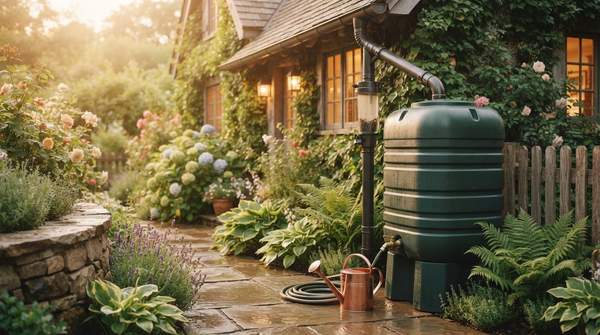
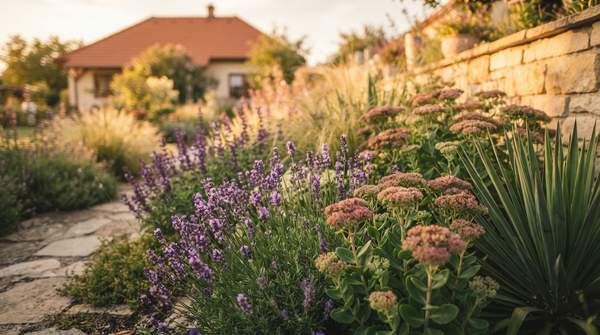
To avoid costly future adaptations, forward-thinking outdoor design now responds not just to current climate conditions but anticipates rising temperatures, extreme weather, and shifting precipitation patterns. Homeowners planning an outdoor living space must consider these evolving environmental factors. Failing to integrate climate resilience early leads to significant long-term expenses and diminished property enjoyment.
Homeowners desire beautiful and functional outdoor spaces, but many overlook the crucial need to design for future climate conditions. This creates a disconnect between immediate aesthetic desires and enduring environmental necessity, leading to potential long-term issues. What seems like a purely aesthetic choice, like the initial layout of hardscape, grass, and planting beds, can undermine a space's long-term viability if it lacks permeable surfaces or drought-tolerant landscaping from the very first step.
Companies and designers who integrate climate resilience and long-term adaptability into their outdoor living space planning will gain a significant competitive advantage. Homeowners increasingly seek sustainable, future-proof solutions that protect investments and enhance property value.
The Foundation: Why a Master Plan Matters
Developing a master plan for a residential landscape significantly improves design success, according to Ask. This strategic blueprint helps homeowners avoid costly mistakes and ensures a cohesive outdoor environment. A master plan also prevents backtracking, saving both time and money, as noted by Architectural Digest.
Initial landscape design must consider basic building blocks like hardscape, grass, and planting beds, advises Architectural Digest. However, companies promoting outdoor design solely on current aesthetic trends, without emphasizing "forward-thinking outdoor design" that anticipates "future conditions" (USA-Shade), set clients up for expensive retrofits and environmental regret. This shortsighted approach prioritizes immediate appeal over long-term functionality and sustainability.
A master plan, drawing on advice from Architectural Digest and Ask, extends beyond avoiding aesthetic missteps. It serves as the critical blueprint for integrating "design solutions for resilience" (USA-Shade), protecting a homeowner's investment from escalating climate challenges and ensuring lasting value.
Your Blueprint: The Five-Step Design Process
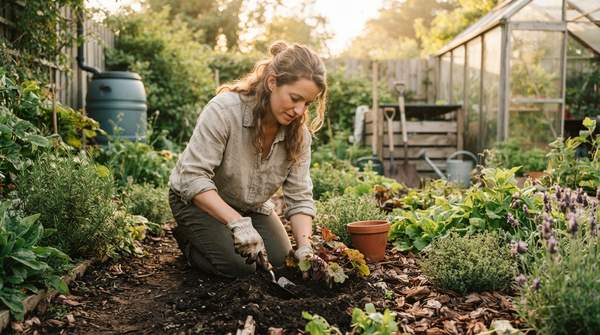
The landscape design process typically involves five sequential steps, beginning with site inventory and analysis, as detailed by Ask. This structured approach systematically considers every project aspect. The steps continue with determining needs, creating functional diagrams, developing conceptual design plans, and drawing a final design plan, according to Ask. A thorough site inventory and analysis must consider soil type, topography, regional climate, existing vegetation, utilities, and structures to lay a robust foundation.
Following this systematic, multi-step approach, starting with comprehensive site analysis and clear identification of needs, is fundamental to creating a functional, personalized outdoor design. This process ensures both current desires and future environmental realities are addressed, preventing costly redesigns later.
Beyond Aesthetics: Designing for a Changing Climate
Forward-thinking outdoor design anticipates future changes like rising temperatures, extreme weather, and shifting precipitation patterns, not just current climate conditions, states USA-Shade. This proactive approach prevents future damage and costly overhauls, securing the long-term viability of outdoor spaces.
Resilient design solutions include increased shade structures, permeable surfaces for stormwater management, drought-tolerant landscaping, and flexible infrastructure, according to USA-Shade. These elements are crucial for adapting to a volatile climate, ensuring the space remains functional and beautiful even under stress. Ignoring these can render a space obsolete within years.
Homeowners who fail to conduct a "site inventory and analysis" (Ask) that explicitly considers "rising temperatures, extreme weather, and shifting precipitation patterns" (USA-Shade) are essentially gambling their property's future value against an increasingly volatile climate. This oversight leads to significant future costs, environmental damage, and diminished functionality of the outdoor space, turning an asset into a liability.
Elevating Your Space: Expert Design Principles
Thoughtful circulation and zoning in outdoor spaces optimize appeal and functionality through well-defined walkways and strategic area divisions, according to USA-Shade. These principles create a logical flow and purpose for each zone, guiding users efficiently while enhancing user experience and property value. Effective zoning ensures every part of the outdoor area serves its intended purpose, maximizing both utility and aesthetic impact.
Common Questions About Outdoor Living Spaces
What are the essential elements of an outdoor living space?
Essential elements for an outdoor living space include areas for dining, relaxation, and cooking, often defined by durable hardscaping like natural stone or recycled pavers. Integrating water features or fire pits enhances ambiance and functionality across seasons, extending the usability of the space.
What are the best materials for an outdoor living space?
Selecting materials for an outdoor living space must prioritize durability, local availability, and climate resilience. Permeable options like decomposed granite or pervious concrete effectively manage stormwater, while native plants drastically reduce water consumption and maintenance needs. For structures, weather-resistant composites or sustainably sourced hardwoods offer long-term performance and environmental benefits.
Your Outdoor Oasis: A Lasting Investment
Homeowners who adopted climate-resilient planning will likely see reduced maintenance costs and increased property value. Reduced maintenance costs and increased property value demonstrate the long-term benefits of a strategic approach championed by organizations like USA-Shade, solidifying outdoor living spaces as dynamic, enduring assets.