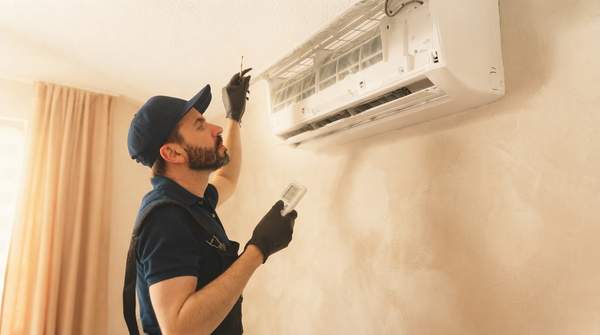
In 2026, the national average cost to replace a complete HVAC system ranges from $5,000 to $28,000, a staggering expense many homeowners will eventually face. This wide range, confirmed by both Bryant and CBS News, covers both equipment and labor, representing a substantial investment. Homeowners are confronted with massive, unavoidable costs for essential home system replacements, but often fail to invest in the foundational efficiency measures that could prevent or reduce these expenses. This inaction often leads to a cycle of reactive repairs rather than proactive, cost-saving improvements. Therefore, homeowners who neglect a holistic approach to energy efficiency will likely incur significantly higher long-term costs and experience greater discomfort, while those who invest strategically will see substantial financial and environmental returns.
The High Cost of Inaction: Why Efficiency is a Must-Have
In 2026, replacing an air conditioner can cost between $3,000 and $15,000, including installation, according to Bryant. Furnace installation costs typically range from $3,800 to $12,000. Even component-specific replacements for major home systems demand substantial financial commitments. Ignoring the underlying causes of system strain does not make these costs disappear; it guarantees their recurrence. True savings come from proactive measures that reduce energy demand, making home energy efficiency a critical preventative investment against future system failures and escalating utility bills.
Building from the Ground Up: The 'Fabric-First' Approach
The Centre for Sustainable Energy advocates for a 'fabric-first' approach to retrofitting, prioritizing fundamental improvements like repairs, insulation, draught-proofing, and ventilation before high-tech solutions such as solar panels or heat pumps. This strategy emphasizes creating an efficient building envelope first. Fox Blocks similarly notes that Energy Star requires new construction homes to install correctly specified insulation, meeting minimum R-value standards. A crucial truth is revealed: homeowners who solely replace expensive HVAC systems without first addressing their home's foundational 'fabric' are essentially pouring money into a leaky bucket. This foundational work drastically reduces the demand on heating and cooling systems, ensuring that any subsequent equipment upgrades perform optimally, last longer, and deliver their full efficiency potential.
Beyond the Box: Smart HVAC System Design and Installation
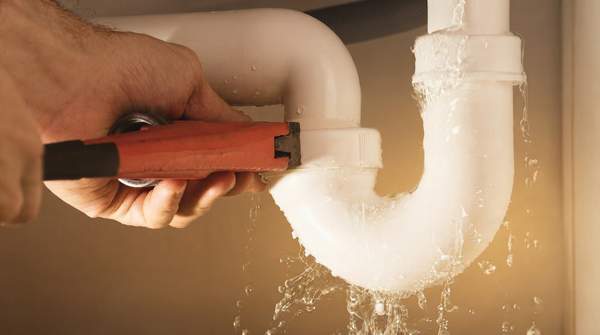
Energy Star outlines comprehensive requirements for new homes, extending beyond just efficient equipment to include proper HVAC system design and installation. According to Fox Blocks, these requirements involve ensuring the exterior is air sealed, using high-performance windows, and installing adequate insulation. Energy Star certified homes must also feature an HVAC system accurately sized for the home's square footage and demand, with ductwork installed without kinks or sharp turns and adequately sealed. An improperly designed or installed HVAC system, even if highly efficient, will underperform and waste energy. This proves that comprehensive standards for new homes demand both equipment quality and expert execution, recognizing that even the best technology fails without precise integration.
The Holistic Home: A Three-Step Path to Efficiency
True energy efficiency demands a comprehensive, phased strategy, not isolated upgrades. The Centre for Sustainable Energy outlines a three-step approach to retrofitting existing homes: first, energy conservation; second, energy efficiency through improving the building fabric; and finally, renewable energy installation. This integrated strategy ensures improvements build upon each other, maximizing overall performance and long-term savings. While high-tech solutions offer significant benefits, their true potential is unlocked only after foundational issues are resolved, making basic insulation and air sealing far more impactful than many homeowners realize.
Planning Your Energy-Efficient Upgrades
Strategic planning is essential for energy-efficient upgrades, given the significant investment involved. A new heat pump installation, for instance, typically costs between $6,000 and $25,000, according to Bryant. The critical need to prioritize foundational efficiency measures first. Addressing air leaks and insulation before installing a new heat pump ensures the system operates at peak efficiency, yielding greater savings over its lifespan and extending its operational life. A critical market failure is exposed by the staggering national average cost of $5,000 to $28,000 for a full HVAC replacement: homeowners are often forced into reactive, costly equipment upgrades when proactive, 'fabric-first' investments, as advocated by CSE, could drastically reduce both energy consumption and the frequency of future replacement cycles. This proactive approach transforms a looming expense into a controlled, value-adding investment.
Addressing Common Energy Efficiency Questions
What are the primary benefits of investing in energy-efficient home systems?
Beyond reduced utility bills, energy-efficient home systems significantly enhance indoor comfort by maintaining consistent temperatures and minimizing drafts. They also lower a home's carbon footprint, aligning with broader environmental goals. Furthermore, these improvements often extend the lifespan of well-maintained equipment, deferring costly replacements.
How do energy-efficient home systems impact home resale value?
Homes with documented energy-efficient upgrades consistently command higher resale values and sell faster. Buyers are increasingly willing to pay a premium for properties that promise lower operating costs and a comfortable, modern living environment from day one. This makes efficiency upgrades a strategic investment, not just for immediate savings, but for maximizing future property sales and market appeal.
What is the typical return on investment for energy-efficient home upgrades?
While a basic central air conditioning and furnace replacement for an average 2,000 square foot home might cost between $7,000 and $20,000, according to CBS News, the return on investment for energy-efficient upgrades far exceeds direct utility savings. Homeowners realize payback through significantly increased comfort, reduced maintenance needs, and enhanced property value over time, creating a compounding financial benefit that outperforms simple equipment replacement.
The Lasting Value of an Efficient Home
If homeowners strategically prioritize 'fabric-first' improvements and integrated system design, they will likely transform the daunting prospect of a $28,000 HVAC replacement into a manageable, value-adding investment, ensuring their homes perform efficiently and comfortably for decades to come.