How to Landscape a Sloped Yard Effectively: A Complete Guide

A retaining wall over three feet tall triggers complex permit requirements, turning a simple landscaping project into a bureaucratic and costly ordeal.

MC
Mason Clarke

June 5, 2026 · 3 min read

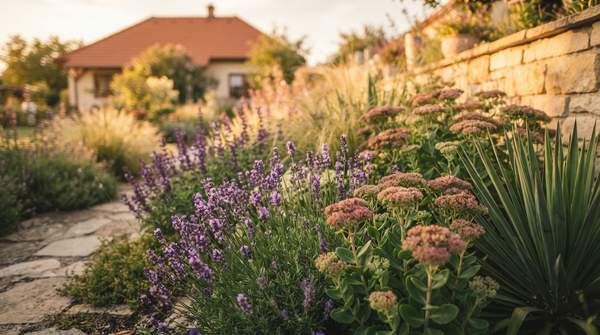
A stunningly landscaped sloped yard with a multi-level terrace, vibrant plants, and a robust retaining wall, showcasing effective use of challenging terrain.

A retaining wall over three feet tall triggers complex permit requirements, turning a simple landscaping project into a bureaucratic and costly ordeal. Such walls demand engineering plans and inspections, significantly increasing timelines and financial investment. Many homeowners, however, approach creating flat spaces on a slope with a DIY mindset, overlooking critical engineering and regulatory details. This disconnect often leads to unexpected costs, regulatory hurdles, or even structural failures if planning is insufficient.

Transforming a sloped yard involves two main structural approaches: creating flat, usable areas or stabilizing the incline. Terracing, a common method, requires moving substantial soil for level planes supported by retaining walls, according to Yardzen. Decks built on posts offer flat surfaces without extensive earthwork. While terraces allow for diverse designs—gardens, patios, play areas, according to Shrubhub—both terracing and decks are budget-intensive for creating usable flat space, as noted by Yardzen. Even 'cost-effective' retaining wall materials do not negate the high overall project cost due to labor, excavation, and professional services.

Building for Stability: Walls, Steps, and Materials

Landscape steps on a slope demand substantial reinforcement to prevent shifting. Materials like timber or stone require anchoring with rebar or similar structural elements, according to Gallivan Companies, to counter shear forces. While some retaining wall materials like stacked stone or engineered blocks are considered cost-effective, according to Yardzen's hillside landscaping guide, the overall cost for significant terracing remains high.

Terraces offer more than flat areas; they manage erosion, reduce runoff, and boost irrigation efficiency, according to Gallivan Companies. They also simplify landscape maintenance and create organized zones. These benefits, coupled with proper reinforcement and material selection, ensure long-term stability and functionality, transforming a challenging slope into a resilient, valuable asset.
Common Missteps and Regulatory Hurdles

Ignoring local permit requirements for sloped yard modifications risks significant financial penalties and mandated tear-downs. Many homeowners underestimate the engineering complexity of altering a slope, leading to designs that fail to account for soil mechanics, drainage, or seismic activity. These oversights result in structural failures—collapsing walls or unstable steps—posing safety risks and devaluing property. A lack of proper drainage, for instance, exacerbates erosion and leads to costly repairs. Underestimating the true cost, beyond materials, for excavation, specialized labor, and unexpected soil conditions, further inflates budgets. The pursuit of 'usable' flat space through terraces is a direct path to substantial financial outlay and regulatory hurdles, regardless of 'cost-effective' material choices, according to Yardzen.

Smart Planting and Permit Savvy

Native groundcover planting offers superior slope stability compared to traditional mulch, according to Yardzen. Their extensive, fibrous root systems bind soil, creating a natural erosion barrier. This ecological approach not only stabilizes the slope but also supports local biodiversity, reduces water needs, and ultimately lowers long-term maintenance costs.

To avoid permit requirements, keep retaining walls under three feet tall. Similarly, design decks to be low and modest in scale, bypassing extensive permits, according to Yardzen. Prioritizing native groundcovers for erosion control and understanding local permit thresholds are crucial for ecological health and avoiding project delays.

Addressing Common Questions

What are the best plants for a sloped yard?

For optimal slope stability and aesthetic appeal, consider deep-rooted plants like creeping junipers, sedums, or various ornamental grasses such as fountain grass. These species establish strong root networks that help anchor soil, significantly reducing erosion. Consult a local nursery for native options suited to your specific climate and soil type.

What are affordable ways to landscape a hill?

Affordable approaches often involve minimizing structural changes and maximizing natural solutions. Utilizing erosion control blankets during initial planting, establishing dense groundcovers, and installing simple swales for water diversion are less costly alternatives than extensive retaining walls. Strategic placement of boulders can also provide visual interest and some stability without major construction.

How to create a terraced garden on a slope?

Creating a terraced garden involves more than just building retaining walls; it requires careful consideration of soil depth, sun exposure, and water runoff for each level. Ensure adequate drainage behind each wall to prevent hydrostatic pressure buildup, and select plants appropriate for the microclimates created by the terraces. Consulting with a landscape designer can help optimize plant selection and structural integrity for long-term success.

By Q4 2026, homeowners who invest in early professional consultations, such as those offered by landscape architects, will likely be better positioned to achieve their sloped yard goals without unexpected financial or regulatory setbacks.