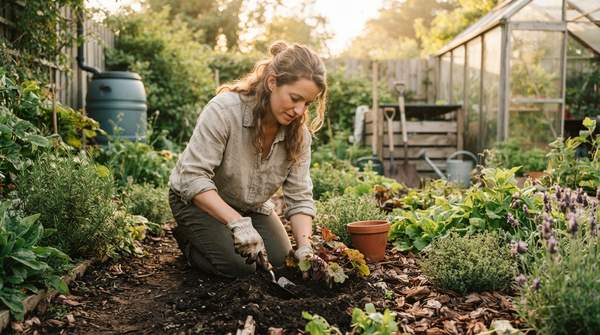
Three hours of moderate gardening can equal a one-hour gym session, directly challenging the widespread perception of gardening as a gentle, low-impact activity. This finding, reported by the Deep Roots Project, reveals gardening offers rigorous physical and mental health benefits comparable to structured exercise. The physical demands of digging, planting, and harvesting engage multiple muscle groups, providing a comprehensive workout. A 2019 study showed gardening improved cognitive functioning in elderly adults, according to the Deep Roots Project.
Therefore, communities and individuals who embrace edible landscaping are likely to see measurable improvements in public health, local food security, and environmental resilience. By not actively promoting community edible landscaping, municipalities and public health bodies overlook a highly accessible, low-cost intervention for chronic disease prevention.
Cultivating Health and Community Bonds
Regular gardening provides consistent opportunities for moderate physical activity, helping prevent and control high blood pressure without costly gym memberships. The Deep Roots Project exemplifies this by partnering with youth gardeners at Gwendolyn Brooks Middle School and senior centers like Oak Park Arms. These partnerships foster intergenerational connections and teach younger generations about food production, strengthening community ties through shared activity.
Accessible Support for Green Thumbs
The Deep Roots Project actively lowers barriers to entry for new gardeners. They hosted a garden planning workshop and seed swap at the Oak Park Public Library on March 8, covering essential topics like design, plant selection, and soil health. The organization also offers in-person mentorship, seed swapping, an online store for supplies, and custom-built raised beds. These comprehensive resources empower individuals and groups to start their own edible landscapes.
The Ecological and Economic Edge of Edible Gardens
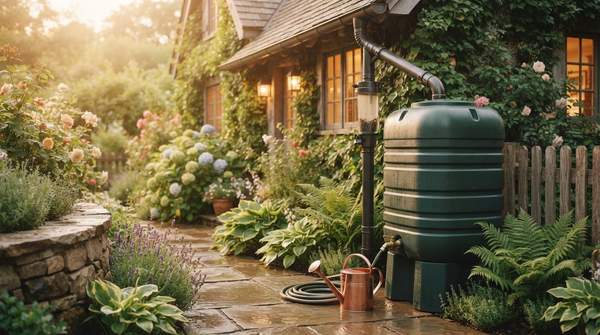
Edible gardens offer significant environmental and economic advantages. Healthy soil, for instance, can hold up to 20 times its weight in water, cutting irrigation needs by 60%, according to Thrivelot. This natural retention boosts drought resilience and reduces reliance on external water sources. Furthermore, beneficial fungi and microbes in healthy soil can lower crop diseases by 60%, Thrivelot reports. Edible landscaping is an efficient, environmentally regenerative approach that minimizes chemical interventions and boosts natural resilience.