What Are the Best Watering Wands for Garden Plant Care?

Many gardeners unknowingly injure their seedlings and damage soil structure with watering wands that deliver too harsh a spray.

MC
Mason Clarke

April 18, 2026 · 3 min read

A gardener uses a watering wand with a gentle spray to water delicate seedlings, promoting healthy plant growth and soil structure.

Many gardeners unknowingly injure their seedlings and damage soil structure with watering wands that deliver too harsh a spray. This harsh spray, as noted by grow-it-organically, can directly injure seedlings and damage soil structure, hindering plant growth and compromising the garden's foundation. Improper water delivery washes away vital nutrients and exposes delicate roots, leading to long-term issues.

Watering wands are designed to simplify plant care, but without the right features, they can actually harm delicate plants and soil. Their convenience becomes a detriment if spray patterns are not gentle enough for vulnerable garden elements.

Gardeners who prioritize specific wand features like adjustable, soft spray patterns and ergonomic design will likely see healthier plants and experience greater comfort, making the investment worthwhile.

Why Every Gardener Needs a Quality Watering Wand

Quality watering wands significantly boost gardener comfort. Their long handles reduce strain on backs, arms, and hands, according to fluxingwell. This ergonomic design allows reaching distant plants and hanging baskets without excessive bending or stretching. Wands also attach to standard garden hoses, integrating easily into existing watering systems without special adapters. This combination of reach, comfort, and easy integration makes them indispensable for sustained, pain-free gardening.

The Gentle Touch: Prioritizing Spray Quality and Adjustability

A gentle spray pattern is essential for plant health. The Gardena Soft Spray Wand, for instance, uses a fine-mesh screen for a gentle, rain-like spray, ideal for delicate seedlings, as noted by grow-it-organically. While many wands offer adjustable nozzles for flow control, according to fluxingwell, the fundamental design of the spray head is more critical. Some also provide multiple spray patterns for sensitive plants. This distinction is crucial: merely adjustable does not always mean gentle enough, challenging the assumption that all adjustable wands prevent plant harm.
Beyond the Spray: Durability and Maintenance for Longevity

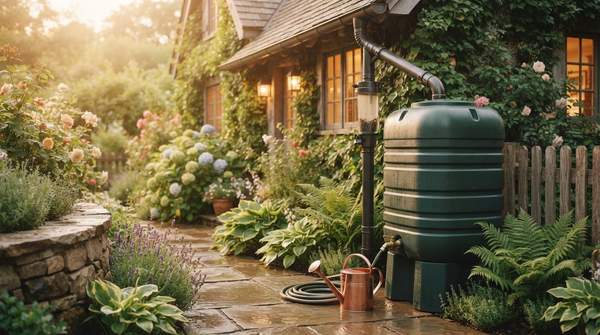
A watering wand's lifespan depends on its construction and proper care. Draining and storing wands indoors before winter prevents cracking from freezing water, as advised by grow-it-organically. Such simple maintenance extends the tool's utility, preventing costly replacements. Durable materials like aluminum or high-grade plastic resist corrosion and impact, ensuring longevity. Choosing wands with quality materials and following basic winter storage ensures lasting reliability, a hidden benefit for long-term garden investment.

Top Picks for Gentle and Effective Watering

For optimal plant care, specific products excel in gentle spray and robust design. The Gardena Soft Spray Wand is recommended by grow-it-organically for freshly seeded beds and seedlings due to its fine, protective spray. The Gardena 8155 Premium 3-Pattern Garden Hose Watering Wand, also recommended by grow-it-organically, offers a soft spray head, durable thumb valve, and adjustable flow rate for versatility. Superior plant care hinges on both gentle water delivery and robust construction, directly impacting seedling survival and overall garden vitality.

Common Questions About Watering Wands

Are watering wands worth it for gardening?

Yes, investing in a quality watering wand is generally worthwhile for gardeners focused on plant health and personal comfort. Their ability to deliver a gentle, controlled stream protects delicate plants from damage, which traditional hose nozzles often cannot achieve. The ergonomic design also reduces physical strain during extended watering sessions.

What is the difference between a watering wand and a hose nozzle?

A watering wand typically features a longer shaft, often 15 to 30 inches, allowing gardeners to reach plants without bending or stretching. Hose nozzles are shorter and attach directly to the hose end. Wands are particularly useful for watering hanging baskets, container gardens, and delicate seedlings with their extended reach and often softer spray patterns.

How long should a watering wand be?

The ideal length for a watering wand depends on your garden's layout and your height. Wands ranging from 24 to 36 inches are often suitable for most raised beds and ground-level plants. For hanging baskets or very tall planters, wands exceeding 48 inches can provide the necessary reach, minimizing strain.

By prioritizing gentle spray patterns and ergonomic designs, gardeners will likely cultivate healthier plants and experience greater comfort, making the investment worthwhile for years to come.