A vertical hydroponic system promising effortless plant growth, the Gardyn Home 4.0, faced cybersecurity vulnerabilities that could allow remote control and access to personal information, according to WIRED. The cybersecurity vulnerabilities transform a simple gardening appliance into a potential privacy concern. Gardyn states these issues are remediated with firmware version 619 or later, yet the situation requires a new layer of vigilance for smart home devices.
Modern indoor gardening systems promise to simplify plant care with automation, yet they introduce new complexities, including cybersecurity risks and recurring subscription fees. The shift from tending soil to managing software presents a new set of considerations for home gardeners.
As the indoor plant market increasingly embraces technology, consumers will face a growing dilemma between the convenience of automation and the hidden costs and risks associated with digital dependency. Finding the best indoor plants for living spaces in 2026 involves weighing these modern trade-offs.
The Promise of Automated Indoor Gardens
Homeowners often dream of lush indoor greenery without the fuss. The Gardyn Home 4.0, for instance, offers 30 plant spots, uses just 40 watts, and includes a 2-year warranty, according to WIRED. This vertical hydroponic system promises effortless plant cultivation.
The Lettuce Grow Farmstand similarly promises high density, growing up to 36 plants in just 4 square feet, according to shershegrows. Its efficiency appeals to those with limited space. The Click & Grow Smart Garden 27 expands possibilities by combining three Smart Garden 9 units with a stand, allowing diverse plant arrangements in one footprint.
These automated systems offer an attractive vision of indoor gardening: high plant density and compact designs that promise to remove traditional barriers of space and daily maintenance.
The True Price of Automated Greenery
Automated indoor gardening systems demand a substantial initial investment. The Gardyn Home hardware, for example, costs $899, according to mygardyn. The $899 upfront expense is just the entry point into a system promising effortless plant care.

Beyond hardware, an optional 'Kelby' subscription adds another cost. This AI-powered app monitors plants via sensors and cameras, delivering customized watering and lighting schedules for an additional $408 annually, reports WIRED. The $408 annually for this ongoing service can add nearly 50% of the hardware cost each year.
Companies selling automated indoor gardens, like Gardyn with its $899 hardware and $408/year AI subscription, are effectively selling a 'convenience tax.' This far exceeds the cost and complexity of traditional plant care, making the promise of simplicity a luxury. The model of continuous premium expenses locks users into seemingly effortless plant cultivation.
Beyond Daily Watering: Simplified Maintenance vs. Traditional Demands
Automated systems streamline daily tasks. Click & Grow systems, for instance, only require water reservoir top-ups, as nutrient beads are built into each plant pod, according to shershegrows. The built-in nutrient beads reduce manual fertilization, a common gardening chore.
However, essential plant care tasks persist. Repotting, for example, remains a manual, seasonal requirement, best done in spring with a pot 1-2 inches larger, states Gardens Si. Automated systems simplify daily routines but do not eliminate all hands-on horticultural demands.
Automated systems like Click & Grow simplify daily tasks, but they often lock users into proprietary pod systems. Locking users into proprietary pod systems trades horticultural flexibility for convenience and potentially higher long-term consumable costs, a different kind of ongoing maintenance than traditional gardening demands.
Choosing Your Green Path for 2026
When choosing indoor plants for 2026, evaluate your priorities. If automation appeals, be aware of the total cost of ownership, including hardware and potential annual subscriptions. Understand that while daily tasks may lessen, you trade traditional gardening for digital dependencies.
For those valuing simplicity, privacy, and a hands-on connection, traditional gardening offers a rewarding experience without technology or recurring fees. Embrace the tactile joy of soil, the rhythm of manual watering, and the satisfaction of nurturing growth without a digital intermediary.
Ultimately, your choice shapes your plant collection and your interaction with your home. Consider if a smart system's convenience truly aligns with your vision of a peaceful, green sanctuary, or if a traditional approach offers the genuine simplicity you seek.
What are the easiest indoor plants to care for?
For minimal maintenance, snake plants and ZZ plants are excellent choices, known for resilience and thriving with infrequent watering. Pothos also offers forgiving care, adapting well to different light levels and occasional neglect. These varieties often require less attention than many automated systems demand.
Which indoor plants improve air quality?
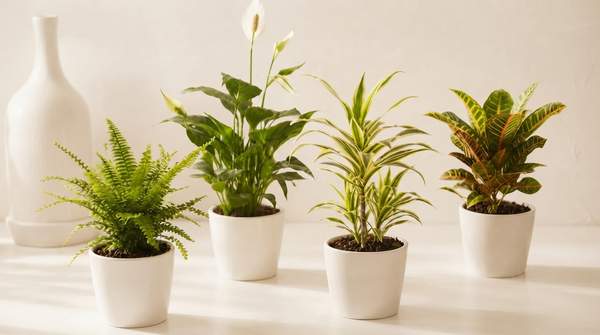
While debated, some plants may enhance indoor air quality. According to NASA plant research, Peace Lilies and Spider Plants were studied for filtering airborne toxins. Incorporating them can contribute to a feeling of freshness in your home.
How do I choose the right plants for my apartment?
When selecting apartment plants, first assess natural light, noting window direction and intensity. Consider humidity, especially in bathrooms or kitchens. Match plant species to these conditions and your commitment to care, prioritizing varieties that naturally thrive in your home to avoid complexity.
A Thoughtful Approach to Indoor Greenery
By Q3 2026, as smart home technology intertwines further with our living spaces, consumers will likely face a clearer choice: embrace the digital convenience of automated gardening systems, with their associated costs and cybersecurity considerations, or rediscover the genuine, unplugged simplicity of traditional plant care.