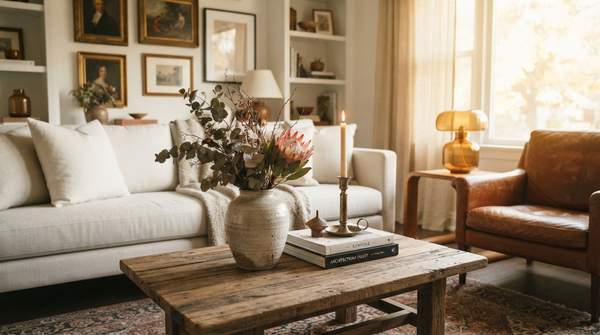
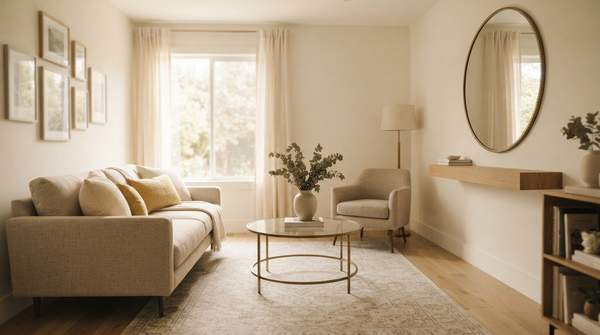
In a single year, searches for 'Japandi decor' surged by 300% on Pinterest. 'Boho-chic' items featuring African mudcloth patterns became top sellers at major retailers, often produced without direct ties to their cultural origins. Global home decor influences are more accessible and popular than ever, but this widespread adoption often comes at the cost of cultural depth and authentic representation. As cultural blending accelerates, the challenge is to foster genuine appreciation and ethical sourcing, or risk a future where global aesthetics become homogenized and devoid of their original stories. This rapid embrace, while reflecting a desire for unique spaces, often prioritizes aesthetics over authentic cultural understanding.
The Global Aesthetic Boom in Numbers
- 65% — of homeowners now incorporate elements from at least two distinct cultural styles into their primary living spaces, according to a recent Houzz survey.
- $45 billion — The global market for 'ethnic and artisanal home goods' grew by 15% year-over-year in 2023, reaching this figure, as reported by market research firm Statista.
- 250% — Pinterest data shows this increase in searches for 'global eclectic decor' over the past two years, alongside a 180% rise for 'Mediterranean modern', according to Pinterest Trends Report.
- 40% — Major retailers like West Elm and Pottery Barn have increased their 'globally inspired' product lines by this average percentage since 2020, based on a Retail Analyst Report.
These figures confirm a surging consumer demand for diverse, cross-cultural aesthetics. Yet, 'democratizing' global styles through mass retail paradoxically centralizes control. Large corporations, not origin communities, now dictate which elements are adopted, how they are presented, and their price.
From Japandi to Modern Moroccan: Blending Styles
| Blended Style | Cultural Influences | Key Characteristics |
|---|---|---|
| Japandi | Japanese minimalism, Scandinavian hygge | Clean lines, natural materials, muted palettes, functionality |
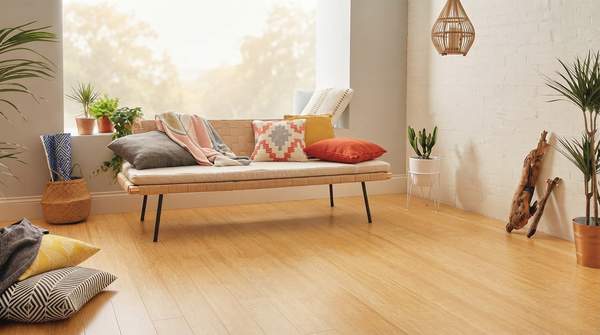
| Boho-Mediterranean | Rustic Spanish textures, Moroccan patterns, Californian laid-back vibes | Warm earthy tones, intricate tiles, relaxed furnishings, natural fibers |
| African Modern | Traditional African textiles (mudcloth, kente), contemporary design | Bold geometric patterns, rich textures, handcrafted elements, vibrant accents |
| Global Maximalism | Various continents (Asia, Africa, Europe, Americas) | Eclectic mix of patterns, colors, and artifacts; layered textures; storytelling through objects |
Attribution: Architectural Digest, Interior Design Magazine, Textile Arts Journal, Elle Decor.
These hybrid styles reveal how designers and consumers creatively merge distinct cultural elements, forging new aesthetic identities. However, the commercial success of 'Boho-chic' items with African mudcloth patterns at major retailers, often without cultural ties, shows market demand for 'global aesthetics' is largely met through appropriation, not authentic collaboration or support for original artisans.
The Forces Driving Global Fusion
Increased global travel and digital media like Instagram and Pinterest expose consumers to a vast array of international design, fueling a desire for novel aesthetics, reports Travel + Leisure. Millennials and Gen Z, prioritizing individuality and storytelling, drive demand for unique, globally-inspired items, notes a Deloitte study. E-commerce platforms specializing in artisanal goods make international decor widely available, an observation highlighted by an Etsy Trends Report. Post-pandemic, many also seek decor evoking travel and warmth, according to the Psychology of Design Journal. This blending stems from an interconnected world and shifting consumer values. The tension between accessibility and authenticity isn't a balance; it's a trade-off. Mass production for accessibility almost invariably reduces authentic representation and cultural depth.
The Future of Global Decor: Authenticity vs. Appropriation
The future of culturally blended decor demands a critical balance: widespread accessibility must meet the imperative to respect and preserve cultural integrity.
- Experts predict a backlash against 'fast decor' and mass-produced cultural imitations, with consumers increasingly seeking ethically sourced and genuinely handcrafted items, according to the Sustainable Design Institute.
- The next wave of blending may involve deeper cultural understanding, with designers collaborating directly with international artisans to ensure authenticity and fair compensation, as suggested by a Crafts Council Report.
- Digital tools like AR and AI could allow consumers to virtually 'try on' global decor, potentially increasing awareness of origins but also facilitating rapid trend cycles, according to the Tech in Home Decor Summit.
- There's a growing movement for 'cultural provenance' in home goods, similar to food, where the origin story and maker's background become key selling points, as highlighted by Ethical Consumer Magazine.
The 300% surge in 'Japandi' searches on Pinterest shows companies often prioritize rapid trends over cultural integrity, risking backlash as appropriation awareness grows. While major retailers tout 'Boho-chic' sales as making global styles accessible, artisan collectives from regions like mudcloth's origin report minimal financial benefit and express concern over misrepresentation. This implies commercial 'democratization' primarily benefits large corporations, not cultural originators. Without a deliberate shift towards ethical sourcing and genuine collaboration, the 'global home decor' market risks diluting distinct cultural narratives, turning rich traditions into fleeting design fads.
Designing with Intention: Your Global Home
- Supporting brands that transparently share their sourcing and production methods helps ensure fair practices for global artisans, according to the Fair Trade Federation.
- Educating oneself on the cultural significance of a decor item before purchase enriches its meaning in your home and prevents unintentional appropriation, as advised by the Cultural Studies Review.
- Mixing and matching styles thoughtfully, rather than simply replicating trends, allows for a more personal and respectful expression of global aesthetics, a point emphasized by the Design Ethics Forum.
By making conscious choices, consumers can celebrate diversity and support authentic cultural exchange. The future of genuine cultural blending in home decor depends on consumers asking more questions and demanding transparency from retailers; by Q3 2026, brands like West Elm will likely face increased scrutiny over their 'globally inspired' product lines if they do not clearly communicate their ethical sourcing practices and collaborations with original artisans.